

The Sourdough Phenomenon
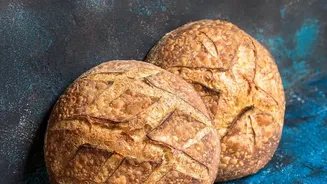
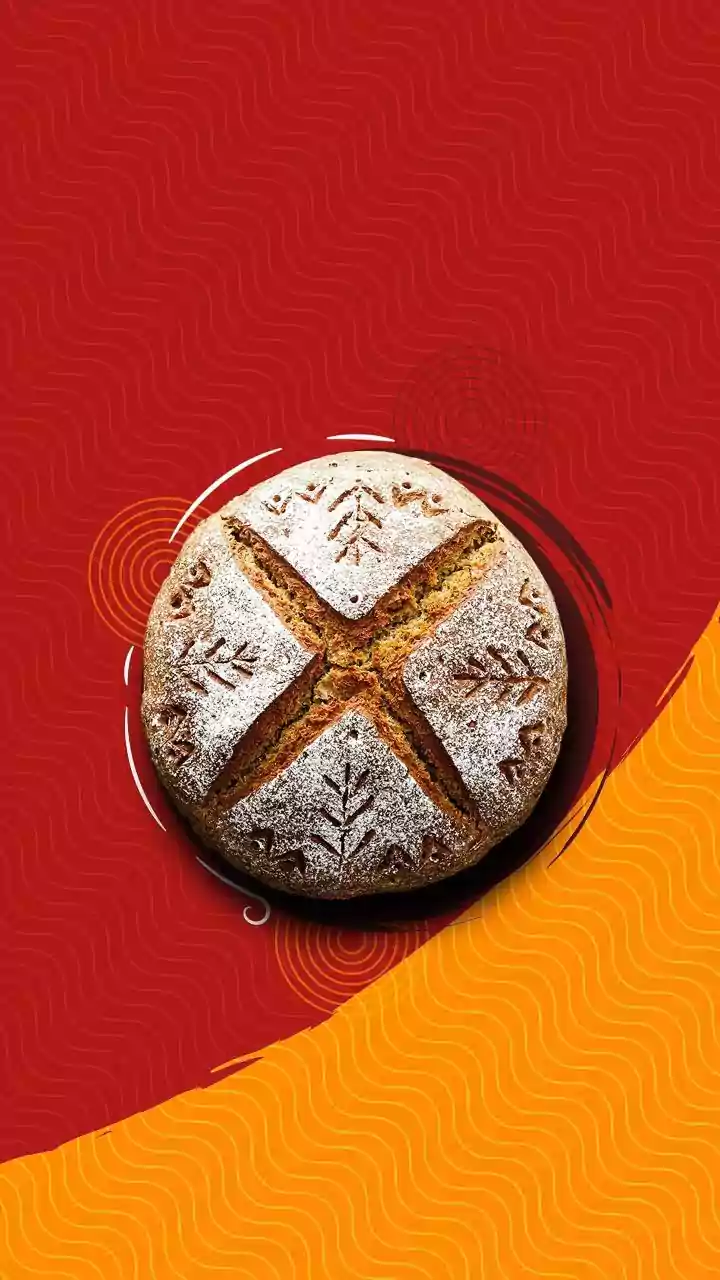
Artisanal sourdough, with its tangy flavour, chewy interior, and crackly crust, has become a symbol of slow food and mindful baking. The magic lies in its simplicity: flour, water, salt, and a living starter culture of wild yeast and bacteria. This natural
fermentation process develops complex flavours and breaks down glutens, making the bread more digestible. Traditionally, high-protein bread flour is the star, creating the strong gluten network needed for that signature open and airy crumb. But as bakers get more creative, they're looking to India's rich pantry of grains to push the boundaries of what sourdough can be.
The Ragi Effect: A Moist, Earthy Crumb
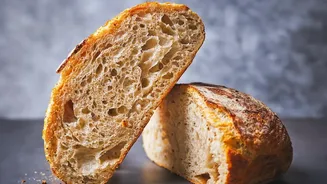
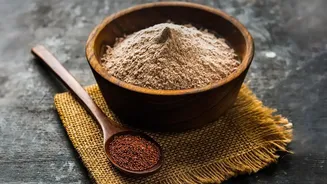
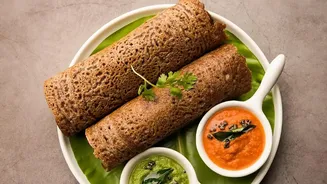
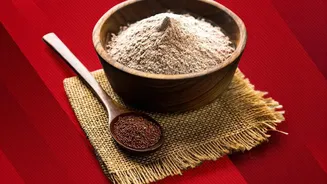
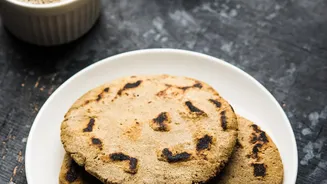
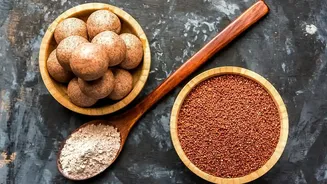
Ragi, or finger millet, is a nutritional powerhouse renowned for its high calcium and iron content. When introduced into a sourdough recipe, typically as a portion of the total flour, it works wonders on the texture. Since ragi is gluten-free, it doesn't form the same elastic strands as wheat. Instead, it adds a remarkable softness and moisture to the crumb. This is because the flour is highly absorbent. The resulting loaf is often denser than a pure wheat sourdough but in a pleasant way, with a soft, slightly cake-like consistency that stays fresh for longer. The flavour profile is also distinct, lending an earthy, nutty, and subtly sweet taste that beautifully complements the sourdough's natural tang. Bakers often note that ragi imparts a gorgeous, deep purplish-brown hue to the bread, making it as visually stunning as it is delicious.
The Jowar Influence: A Tender, Delicate Texture
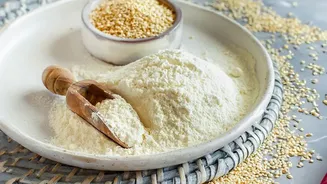
Jowar, also known as sorghum, is another celebrated ancient grain in India. Like ragi, it is gluten-free and brings its own unique personality to sourdough loaves. Jowar flour tends to create a more delicate and tender crumb compared to ragi. While it can make the dough a bit more crumbly if used in high proportions, when balanced correctly with wheat flour, it yields a loaf with a wonderfully soft texture. Artisan bakers have found that incorporating jowar can lead to a loaf that is light yet satisfying. The flavour of jowar is milder than ragi, often described as neutral with a hint of sweetness, allowing the sour notes of the fermentation process to shine through. It's an excellent choice for bakers who want the nutritional benefits of millets without a very strong alternative grain flavour.
The Science of Texture
The unique textures from ragi and jowar come down to how these gluten-free flours interact with the gluten in wheat flour. In a standard sourdough, long, elastic gluten strands trap the gas produced by the yeast, creating large, irregular holes. When you add ragi or jowar, you are essentially interrupting these gluten chains. The millet particles get in the way, shortening the gluten strands and resulting in a finer, softer, and more close-knit crumb structure. Furthermore, these flours have different water absorption properties. Ragi, in particular, is quite thirsty and can hold a lot of moisture, which contributes to its signature moist texture and longer shelf life. Some bakers even use techniques borrowed from gluten-free baking, like adding psyllium husk, to help bind the dough and improve its structure when using a higher percentage of millets.
More Than Just Texture
While the textural dynamics are fascinating, the appeal of ragi and jowar in sourdough goes deeper. These grains are nutritional powerhouses. Both are high in dietary fibre, which aids digestion and promotes a feeling of fullness. Ragi is famously rich in calcium, essential for bone health, while jowar is packed with antioxidants. By incorporating these flours, bakers are not just creating a novel eating experience; they are enhancing the nutritional profile of their bread, making it a more wholesome and balanced food. This fusion of traditional Indian ingredients with a global baking technique is a perfect example of how modern cuisine is evolving to be both innovative and health-conscious.