






Embracing the Classics
For many of us, the love for methi begins with the classics. Aloo Methi, a simple yet profound stir-fry of potatoes and fenugreek leaves, is a staple for a reason. The earthy potato perfectly mellows the slight bitterness of the methi, creating a comforting
and wholesome dish. Then there are the breakfast heroes: Methi Thepla and Methi Paratha. Kneading finely chopped leaves into the dough not only infuses it with incredible flavour but also adds nutritional value. These flatbreads, served with a dollop of dahi or a sliver of pickle, are a testament to how beautifully methi integrates into our most beloved meals. These dishes are the foundation of methi's culinary legacy, proving that simplicity often yields the most delicious results.
Beyond the Sabzi: Everyday Infusions
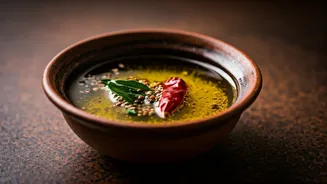
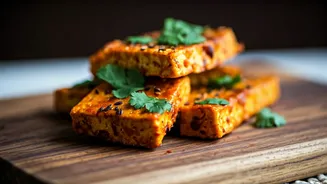
While sabzis and parathas are wonderful, fresh methi's true potential is unlocked when you start thinking of it as an herb as much as a vegetable. Try adding a handful of chopped leaves to your everyday dal tadka in the last few minutes of cooking. It wilts down instantly, releasing a complex aroma that transforms a simple lentil soup into something special. A Methi Pulao or biryani is another fantastic way to incorporate it; the grains of rice absorb its unique flavour, adding a new dimension to the dish. For snack time, consider Methi Muthia (steamed dumplings from Gujarat) or crispy Methi Vadi. These preparations show how the leaves can be bound with flour (like besan or wheat flour) to create savoury bites that are perfect with evening tea.
Mastering the Bitterness
The characteristic bitterness of methi is what gives it its unique personality, but it can sometimes be overpowering for sensitive palates. However, this bitterness is easy to manage. The most common trick is to sprinkle the chopped leaves with a little salt and set them aside for 15-20 minutes. The salt draws out the bitter juices, which you can then squeeze out and discard before cooking. Another technique is to blanch the leaves in hot water for a minute before adding them to your dish. Furthermore, balancing flavours is key. Ingredients like potatoes, peas, paneer, and cream help mellow the bitterness. A touch of sweetness from jaggery or sugar, a dash of sourness from tamarind or lemon juice, and the richness of ghee or oil all work together to create a harmonious and perfectly balanced dish.
A Note on Dried Methi
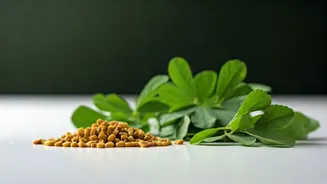
No conversation about methi is complete without mentioning its dried form, Kasuri Methi. While fresh and dried methi come from the same plant, they serve very different purposes. Fresh methi is used as a leafy vegetable, providing bulk, texture, and a fresh, pungent flavour. Kasuri Methi, on the other hand, is a finishing herb. It has a more concentrated, earthy, and almost smoky aroma. You simply crush a small amount between your palms and sprinkle it over a dish right at the end of cooking. It’s the secret ingredient that gives butter chicken, paneer makhani, and many restaurant-style gravies their signature, irresistible fragrance. Think of fresh methi as the star of a dish, and Kasuri Methi as the final, magical touch.
Modern Twists for the Adventurous Cook
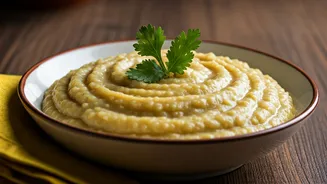
Ready to take your methi game to the next level? The slightly bitter, savoury profile of fenugreek leaves makes them a fantastic candidate for modern culinary experiments. Try blending a handful of fresh leaves into a green chutney or a pesto along with walnuts and garlic for a uniquely Indian twist on a classic sauce. Finely chopped methi can also be folded into savoury muffin batter, dosa batter, or even an omelette. For a truly innovative appetiser, mix chopped methi with cream cheese or thick yoghurt to create a flavourful dip for chips and vegetable sticks. This versatility proves that methi isn't just for traditional Indian kitchens; it’s a global ingredient waiting to be explored.