



The Dangers in Your Cleaning Caddy
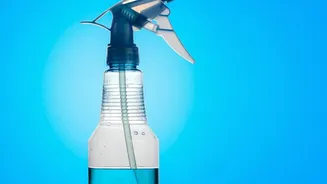
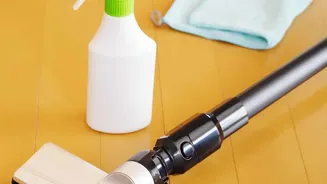
Many disinfectants and cleaners used in Indian households contain ingredients that are toxic to pets. Products with ammonia, bleach, chlorine, and phenols (often found in disinfectants) can cause severe irritation or poisoning if ingested, inhaled, or absorbed
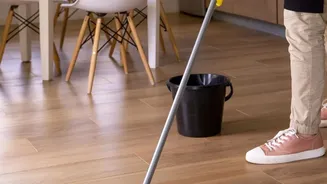
through the skin. Pets are especially vulnerable because they live their lives on or near floors, where residues from sprays and mops linger. They might walk across a freshly cleaned surface and then lick their paws, ingesting harmful chemicals. Even products with strong fragrances or essential oils like tea tree, citrus, and eucalyptus can irritate an animal's respiratory system or be toxic, particularly for cats and birds.
Recognising the Signs of Toxic Exposure
Since you may not always see your pet ingest a harmful substance, it's crucial to recognise the symptoms of poisoning. Early signs can include sudden vomiting (sometimes with blood), diarrhea, excessive drooling or foaming at the mouth, and loss of appetite. Behavioural changes are also a red flag. Look for lethargy, unusual tiredness, confusion, restlessness, or sudden agitation. More severe neurological signs that require immediate veterinary attention include tremors, seizures, difficulty standing or walking, and breathing problems. If you notice any of these symptoms, especially after a cleaning session, it's vital to act quickly.
The Best Strategy: A Pet-Free Zone
The safest way to conduct a thorough cleaning is to ensure your pets are not in the area. This completely eliminates the risk of accidental exposure to wet chemicals and potent fumes. Planning is key. Schedule your deep cleans for a time when a family member can take your dog for a long walk or a trip to the park. Other options include arranging for a playdate at a friend's house or a short stay at a doggy daycare. For cats, which are often more shy and cannot simply be taken for a walk, securing them in a room that is not being cleaned is the next best option. This could be a spare bedroom or office. Place their bed, water, and litter box in the room with them and keep the door closed until your cleaning is complete.
If Your Pet Must Stay Home
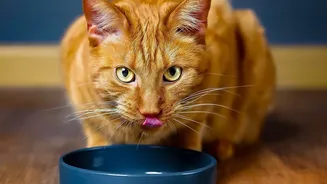
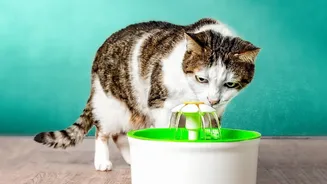
If relocating your pet isn't possible, you can still take important safety measures. Confine them to a single, well-ventilated room while you clean the rest of the house. Once you're done with an area, ensure all surfaces are completely dry before letting your pet back in. This drying period can take anywhere from 30 minutes to a few hours, depending on humidity and airflow. It’s also wise to rinse out any food or water bowls that may have been exposed to cleaning sprays. Always store cleaning products in a secure cabinet that your pets cannot access. A loosely capped bottle or a cleaning cabinet left open is a common cause of accidental poisoning. And never mix cleaning products, as this can create toxic gases like chloramine, which are dangerous for everyone in the house.
Embracing Pet-Safer Alternatives
For daily upkeep and lighter cleaning tasks, consider switching to pet-safer products. Many brands now offer effective cleaners that are free from harsh chemicals. You can also turn to simple, homemade solutions. A mixture of diluted white vinegar and water is an excellent all-purpose cleaner for windows and countertops. Baking soda works well as a gentle abrasive for scrubbing sinks and tubs. While these natural alternatives are safer, it's still good practice to ensure the area is well-ventilated and dry before allowing your pets to access it. By making thoughtful choices about your cleaning schedule and products, you can maintain a home that is both sparkling clean and a safe haven for your beloved companions.