


The Rise of the Pup-fluencer
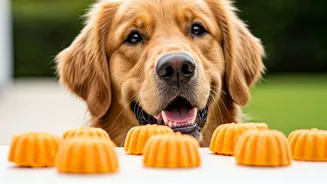
We are a generation of proud 'pet parents'. Our phones are filled with more pictures of our dogs than of our friends, and our social media feeds are testament to their adorable antics. Sharing these moments, from a perfect 'sit' to the unbridled joy of getting
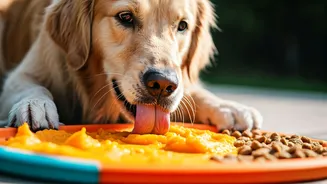
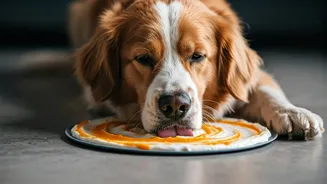
a biscuit, has become a modern love language. It’s a way to connect with a community of fellow dog lovers and celebrate the furry family members who bring so much happiness into our lives. These short, charming videos of pups enjoying a special snack aren't just for 'likes'; they're a digital scrapbook of the bond we share and a celebration of the simple things that make our dogs happy. This desire to provide the best for our pets has also driven a massive shift in what we choose to feed them, leading many down the aisle of specialty treats.
Decoding the Grain-Free Craze
The term 'grain-free' has become a powerful marketing tool in the pet food industry, often associated with being healthier, more natural, and better for dogs with allergies. The movement gained momentum by tapping into human diet trends like paleo and gluten-free, suggesting that if grains weren't essential for us, they weren't for our dogs either. However, the reality is more complex. While a small percentage of dogs have specific grain allergies, most do not. More importantly, in recent years, the U.S. Food and Drug Administration (FDA) began investigating a potential link between certain grain-free diets—particularly those high in peas, lentils, and other legumes—and a serious heart condition in dogs called dilated cardiomyopathy (DCM). The investigation is ongoing and the link is not fully understood, but it has prompted many veterinarians to urge caution. They often recommend that unless your dog has a diagnosed reason to avoid grains, a well-balanced diet that includes them is a safe and healthy choice. When in doubt, a conversation with your vet about your dog's specific nutritional needs is always the best first step.
The Peanut Butter Predicament
Peanut butter is a classic, high-value treat for most dogs. They love the taste, and it's a great vehicle for hiding medication or stuffing into a puzzle toy. However, not all peanut butter is created equal, and one ingredient poses a deadly risk: xylitol. Xylitol is a sugar substitute that is perfectly safe for humans but extremely toxic to dogs, causing a rapid release of insulin that can lead to hypoglycemia (low blood sugar), seizures, liver failure, and even death. It is crucial for pet parents to become obsessive label-readers. Xylitol is sometimes listed under other names, such as 'birch sugar'. Always check the ingredients list on any jar of peanut butter before sharing it with your pup. The safest choice is a natural peanut butter containing only roasted peanuts and perhaps a little salt. Better yet, look for brands made specifically for dogs or stick to varieties with a minimal, xylitol-free ingredient list.
Baking for Your Best Friend
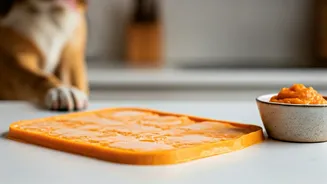
One of the best ways to ensure your dog’s treats are safe and healthy is to make them yourself. Baking homemade dog biscuits is surprisingly easy and allows you to control every single ingredient. A basic recipe for peanut butter biscuits requires little more than whole wheat flour (or an alternative like oat flour if you prefer), xylitol-free peanut butter, an egg, and water. You can get creative by adding other dog-safe ingredients like pumpkin puree, mashed bananas, or grated carrots. The process itself is a rewarding act of love. Your dog will likely supervise your every move from the kitchen floor, and the aroma of baking biscuits will have their tail wagging in anticipation. It turns a simple treat into a shared, enriching experience that deepens your bond even further.