




A Market Rooted in Tradition
While the global rise of veganism is driven by a mix of ethical, environmental, and health concerns, its expression in India is unique. With a long-standing culture of vegetarianism, the Indian palate is already accustomed to plant-forward meals. The
current boom isn't about introducing a new concept, but rather evolving an existing one. Market reports show significant growth, with the Indian plant-based food market valued at over USD 90 million in 2026 and projected to expand significantly. This growth is fueled by startups and established companies that understand a crucial fact: for a product to succeed, it must feel Indian. They are moving beyond niche health food stores and entering mainstream retail and restaurant chains.
The Comfort of Familiar Flavours
The key to winning over the Indian consumer lies in familiarity. Instead of asking people to adopt foreign food formats, brands are innovating within beloved local dishes. Companies like GoodDot, Shaka Harry, and Imagine Meats are creating plant-based versions of mutton seekh kebabs, chicken biryani, and keema. This strategy lowers the barrier to entry. A consumer curious about plant-based meat is more likely to try a 'vegan chicken tikka' than an unfamiliar patty. This approach of integrating alternatives into local cuisines has been identified as a critical strategy for growth in the foodservice sector, making the products feel like an indulgent and tasty choice rather than a compromise.
Rediscovering Indigenous Ingredients
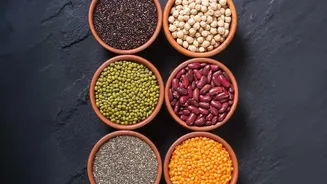
The innovation goes beyond just a familiar format; it extends to the ingredients themselves. While soy remains a dominant protein source due to its versatility and affordability, companies are exploring a treasure trove of local agricultural produce. Unripe jackfruit, or 'kathal', has emerged as a star player. Its naturally shredded, meat-like texture makes it an excellent substitute in dishes from biryani to pulled pork-style sandwiches. Millets like ragi, bajra, and jowar, long-standing staples of the Indian diet, are also making a comeback in new forms, prized for their nutritional benefits and resilience as a crop. Startups are also experimenting with protein from lentils, chickpeas, and even underutilized crops like elephant foot yam, which supports local farmers and adds unique textures to their products.
Tackling the Challenges of Taste and Price
Despite the momentum, the path to mass adoption has its hurdles. The two biggest challenges are taste and price. Indian cuisine is complex, with textures and spice profiles that are difficult to replicate. Convincing consumers that a plant-based alternative can deliver the same sensory experience is paramount. Brands are investing heavily in food science to perfect the mouthfeel and flavour absorption of their products. Price sensitivity is another major factor. Currently, many plant-based meats are more expensive than their conventional counterparts, partly due to a reliance on imported protein isolates. However, the increasing use of indigenous crops and scaling up of local production aims to bring costs down, making these alternatives more accessible to the average household.
The Future is 'Indianized' Protein
The expansion of plant-based protein in India is a story of smart adaptation. It’s not about replacing traditional diets but enhancing them with more sustainable, healthy, and innovative choices that feel both modern and deeply familiar. The most successful products are those that don’t ask consumers to change their habits, but rather meet them where they are — at the dining table, ready for a plate of curry, biryani, or kebabs. As consumer awareness grows and companies continue to innovate with India's vast agricultural biodiversity, the line between 'plant-based' and 'traditional' food is set to become deliciously blurred.