



The Price of Progress
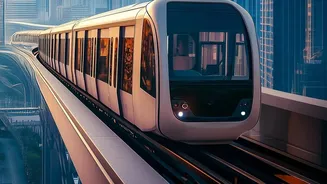
Implementing driverless technology is a costly affair. The system, known as Unattended Train Operation (UTO), relies on advanced Communication-Based Train Control (CBTC), which involves a significant upfront capital expenditure. This technology uses continuous,
high-capacity data exchange between the train and wayside equipment to manage movement, a far more complex and expensive setup than traditional signalling. While exact figures for the Delhi Metro's investment are not always publicised in a simple ledger, critics and even some government officials often point to these high initial costs as a major hurdle. Experts argue that for India, where staffing costs are comparatively lower than in developed nations, a careful cost-benefit analysis is crucial before widespread adoption, rather than simply following global trends. This high-cost reality is a key part of the debate surrounding the future of urban transit in the country.
A New Benchmark for Ridership
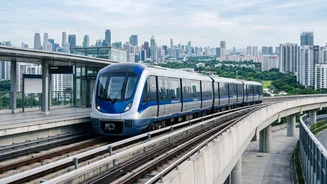
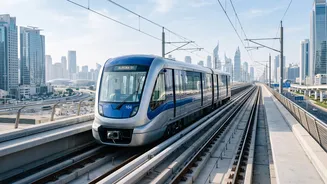
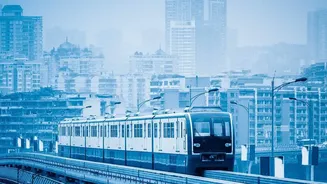
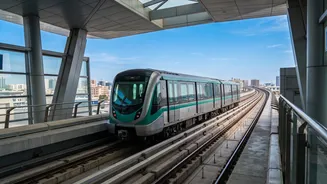
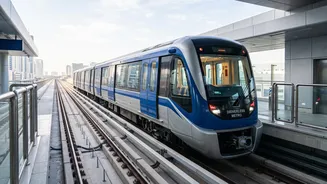
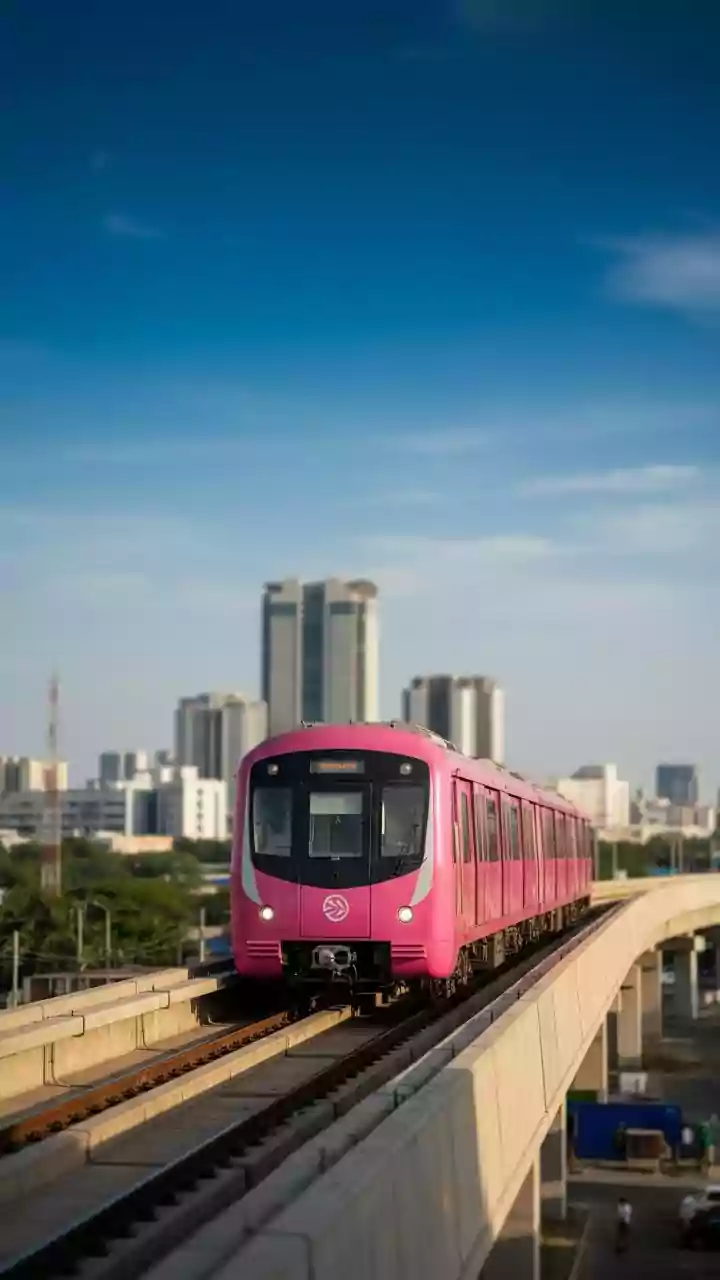
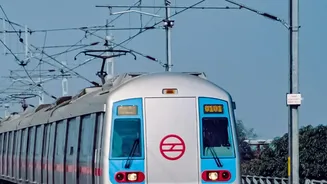
The investment appears to be paying off in terms of public adoption and operational capacity. On November 2, 2026, the driverless lines of the Delhi Metro handled a staggering 1.6 million passengers. This figure represented about one in every five passengers on the entire network that day, which saw a total of just over 8 million passenger boardings. This ridership milestone occurred during the pre-Diwali rush and coincided with traffic restrictions, showcasing the system's ability to absorb a massive influx of commuters. The DMRC now operates 100 driverless trains across its Pink and Magenta lines, covering 120 km, or nearly 30% of its network. This scale of operation and the massive ridership numbers suggest that the driverless system is not just a novelty but an integral part of Delhi's transport backbone.
Beyond the Balance Sheet
The benefits of driverless operations extend beyond raw passenger numbers. DMRC's Managing Director, Vikas Kumar, has highlighted several key advantages. The automation brings greater flexibility to train operations, allowing for quicker changes in frequency to meet demand. It also significantly reduces the possibility of human error, a critical factor in safety. Reliability is another major gain; driverless trains perform exhaustive self-tests before each run, a process that streamlines maintenance and improves the availability of coaches for service. This enhanced efficiency, achieved through technologies like CBTC, allows trains to run closer together safely, reducing wait times and improving the overall passenger experience with smoother, automated acceleration and braking.
The Human Element
One of the primary concerns with automation is the potential for job redundancy. However, the DMRC has managed this transition without layoffs. According to officials, none of the train operators taken off driving duties since driverless operations began in 2020 have been let go. Instead, these skilled personnel, numbering around 3,000 across the DMRC, have been redeployed to other crucial roles such as station management and crowd control, where their system knowledge remains invaluable. This strategy addresses a major socio-economic concern while leveraging existing human resources to enhance other aspects of the metro's operations, ensuring that technological advancement doesn't come at the cost of its workforce.
The Verdict on Value
While a definitive cost-benefit analysis comparing driverless and conventional systems remains elusive, the operational evidence from Delhi is compelling. The system's ability to handle record-breaking passenger loads while improving service flexibility and reliability makes a strong case for the technology. The initial high cost is balanced against long-term operational efficiency, reduced human error, and the capacity for higher service frequency. With plans to expand the driverless network to 198 km upon completion of Phase-IV projects, Delhi Metro is doubling down on its bet. This will elevate its network to be among the largest automated metro systems globally, serving as a powerful, large-scale case study for the 25 other Indian cities that currently operate metro services.