


From Fighting Damp to Embracing Design
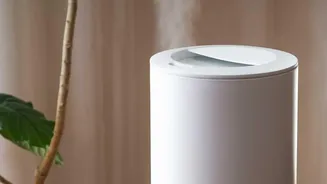
For generations, dealing with humidity in Indian homes has been a reactive battle—cranking up the air conditioning, running noisy dehumidifiers, and dealing with the inevitable mould and mildew. A thoughtful new approach to interior design is flipping
this script. Instead of fighting a losing battle against nature, this trend is about making smart, proactive choices that embrace our climate. It’s a mindset shift that views humidity not as a problem to be solved with technology, but as a condition to be managed with intelligent design. This means selecting materials, furniture, and layouts that thrive in high-moisture environments, leading to homes that are not only more beautiful and comfortable but also healthier and more sustainable in the long run. By working with the climate, we can reduce our reliance on energy-guzzling appliances and create living spaces that are naturally more pleasant.
The Sustainability Equation
So, how does choosing a humidity-friendly decor scheme translate to sustainability? The connection is surprisingly direct. Firstly, it’s about durability. When you use materials that can withstand moisture, they last longer. Furniture doesn't warp, fabrics don't mildew, and surfaces don't peel or rot. This drastically reduces the cycle of replacement and waste, saving you money and lessening your environmental footprint. Secondly, this approach champions energy efficiency. By promoting natural airflow and using breathable materials, you can significantly cut down on the need for air conditioning, one of the biggest energy consumers in urban homes. Finally, the trend prioritises natural, local, and low-impact materials. Think less plastic and factory-made composites, and more locally sourced wood, bamboo, terracotta, and lime plaster, which connect your home to its environment in a truly meaningful way.
Your Guide to Humidity-Happy Materials
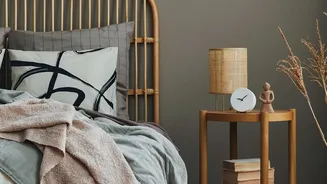
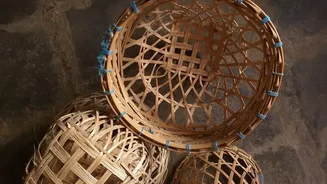
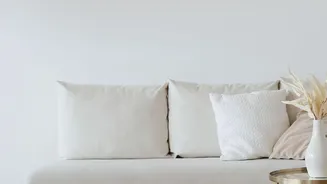
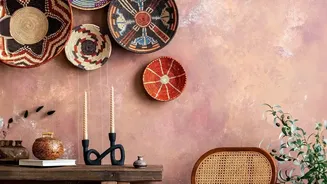
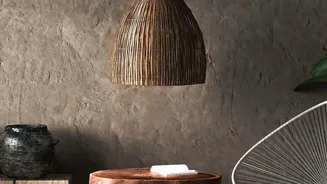
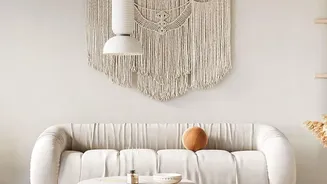
The key to mastering this trend lies in material selection. Forego the heavy velvets that trap moisture and the untreated woods that swell with the first rains. Instead, build your decor palette around materials that are either resistant to or can breathe with humidity. Natural woods like teak and rosewood have inherent oils that make them resistant to moisture. Lighter options like cane, rattan, and bamboo are perfect as they allow air to circulate freely. For walls, consider traditional lime plaster ('chuna') or modern breathable paints. These surfaces allow moisture to pass through and evaporate, rather than trapping it inside. For flooring, vitrified porcelain tiles, natural stone like marble or Kota, and even polished concrete are excellent choices as they stay cool and don't absorb water. For soft furnishings, opt for quick-drying, natural fabrics like linen and cotton blends over synthetic ones.
Smart Design and Biophilic Principles
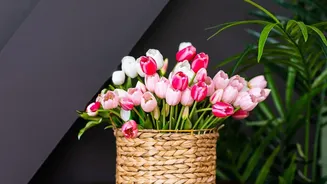
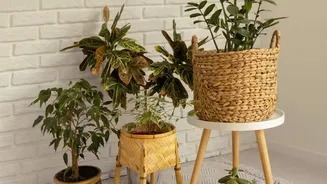
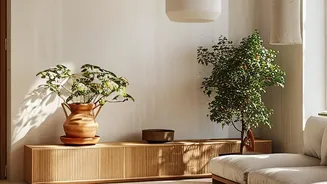
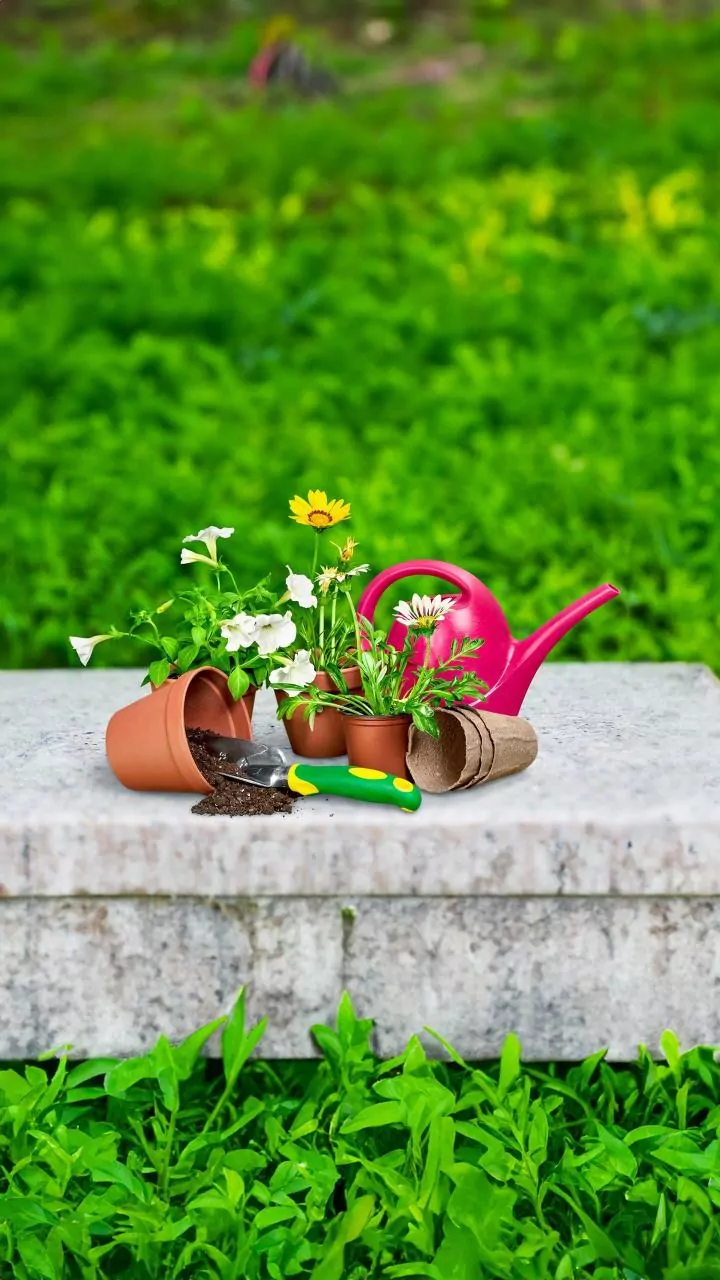
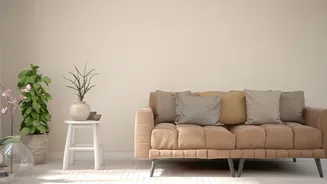
Beyond materials, strategic design choices play a huge role. The concept of biophilic design, which seeks to connect our indoor spaces with nature, is central to this trend. This can be as simple as adding indoor plants that thrive in humidity—like ferns, peace lilies, and spider plants—which help purify the air and add a touch of lushness. Furniture choices also matter. Opt for pieces with legs that elevate them off the floor, allowing air to circulate underneath. Similarly, leaving a few inches of space between large furniture items and the walls prevents moisture from getting trapped. Maximising natural light and ventilation through large windows, sheer curtains, and uncluttered layouts makes a space feel brighter and fresher, reducing the gloominess that can accompany overcast monsoon days.