


The Original Indian Superfoods
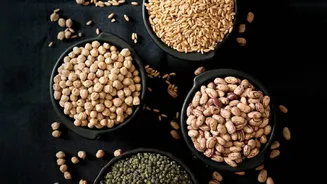
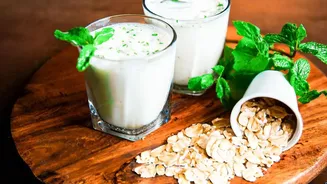
Sattu, a flour made from roasted Bengal gram, is a nutritional heavyweight. A 100-gram serving packs around 20-22 grams of protein, alongside complex carbohydrates, dietary fibre, iron, and magnesium. Its low glycemic index ensures a steady release of energy,
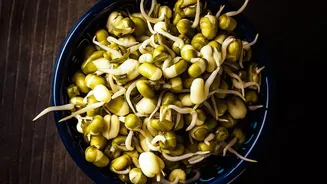
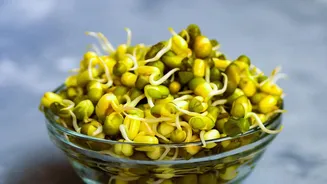
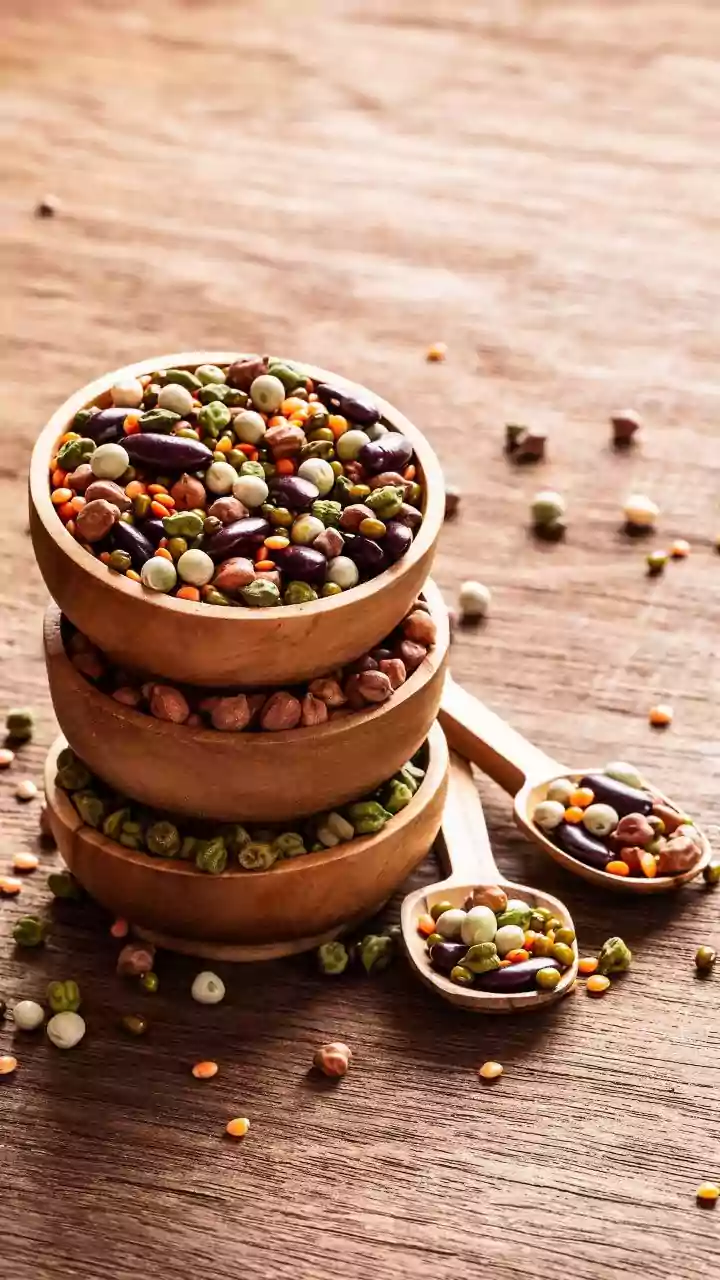
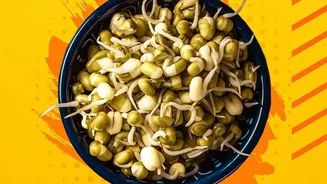
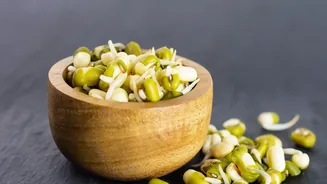
preventing the sugar crash associated with many commercial post-workout drinks. Traditionally consumed as a cooling drink, it's also excellent for hydration and replenishing electrolytes. Sprouted legumes, like mung beans and lentils, are living foods. The sprouting process increases their protein content and makes nutrients more bioavailable. Sprouting breaks down anti-nutrients, making minerals easier to absorb and the legumes themselves easier to digest. They provide essential amino acids required for muscle repair and are rich in fibre, which aids satiety and gut health.
Why Upgrades Matter After a Workout
A strenuous workout depletes your muscle glycogen (energy stores) and causes micro-tears in muscle fibres. An effective recovery meal should provide two key things: protein to repair and build muscle, and carbohydrates to replenish energy. While sattu and sprouts are fantastic on their own, a few simple additions can optimise them for this task. Upgrading isn't just about flavour; it's about creating a more complete nutritional profile. This can mean pairing them with other ingredients to form a 'complete protein' (containing all nine essential amino acids), adding healthy fats to reduce inflammation, or including vitamins and minerals that support the recovery process.
Supercharging Your Sattu Shake
The classic sattu drink is a great starting point, but these additions can turn it into a complete recovery meal. For a protein and creaminess boost, blend your sattu with milk, plant-based milk, or curd (dahi). The probiotics in curd also support gut health. To replenish glycogen stores quickly, add a ripe banana or a spoonful of honey or jaggery. For healthy fats and texture, throw in a tablespoon of chia seeds, flax seeds, or a handful of almonds. To make it a more complete protein, you can mix in a tablespoon of roasted oats powder. For flavour and enhanced nutrient absorption, a pinch of black pepper, cardamom, or cinnamon can make a world of difference.
Elevating Sprouted Legume Salads
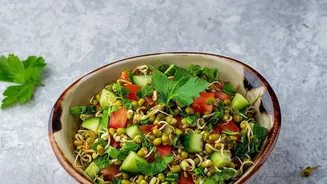
Sprouted legume salads are refreshing and crunchy, but they can be made even more potent for muscle recovery. To boost the protein content and create a more complete amino acid profile, toss in diced paneer, tofu, or a handful of roasted peanuts or pumpkin seeds. Adding other cooked whole grains like quinoa or boiled black chickpeas (kala chana) can also round out the meal. A dressing made with olive oil and lemon juice adds healthy monounsaturated fats and vitamin C, which aids iron absorption and can help reduce post-workout fatigue. Incorporating chopped fresh vegetables like cucumber, tomatoes, and bell peppers not only adds crunch and flavour but also provides essential vitamins and antioxidants to combat exercise-induced inflammation.
Tips for Flavour and Digestion
Making these foods a regular part of your routine means they have to taste great and be easy on your stomach. For savoury sattu preparations like a 'bharta' or cheela, add finely chopped onion, garlic, green chilli, and fresh coriander for a burst of flavour. A tempering of cumin seeds can also aid digestion. For sprouted salads, adding minced ginger to your dressing can help with digestion, while fresh herbs like mint and parsley provide flavour and anti-inflammatory benefits. To ensure a smooth, lump-free sattu shake, always blend it rather than just stirring, especially when adding thicker ingredients like banana or curd.