

Why Rishikesh is a Rafting Paradise
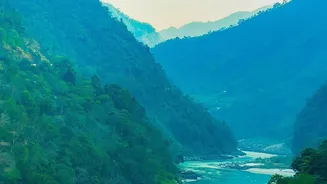
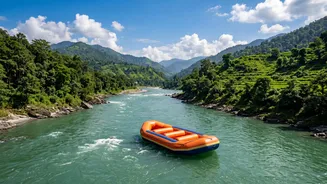
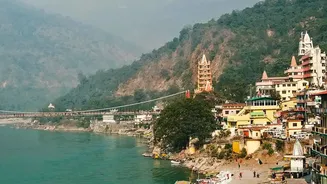
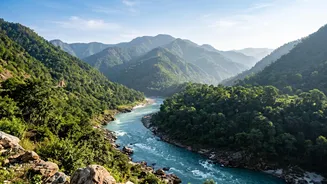
Nestled where the sacred Ganges River pours out of the mountains, Rishikesh offers a unique combination of spiritual calm and high-octane adventure. The river here is fast, cold, and courses through a stunning canyon, creating a series of rapids that
are perfect for commercial rafting. Licensed operators, a well-established safety infrastructure, and a variety of routes make it an ideal destination for those looking to dip their paddles into the world of adventure sports for the first time. The entire ecosystem is geared towards making the experience thrilling yet secure.
Decoding the Rapids: A Beginner's Guide
Before you choose a route, it helps to understand the 'grade' of a rapid, which classifies its difficulty. In Rishikesh, you'll primarily encounter Grades I through IV. For a first-timer, this is what they mean: Grade I is the easiest, with small, gentle waves and a clear passage, perfect for a relaxed float. Grade II introduces slightly rougher water with some rocks, requiring basic maneuvering but still considered very safe for beginners and even non-swimmers. Grade III is where the real excitement begins, featuring moderate, irregular waves and drops that can give you a proper adrenaline rush. While more challenging, this grade is often included in the most popular beginner-to-intermediate routes. Grade IV rapids are intense, with powerful waves and the need for sharp, precise paddling, generally recommended for those with prior experience.
Choosing Your First Adventure: The Best Beginner Routes
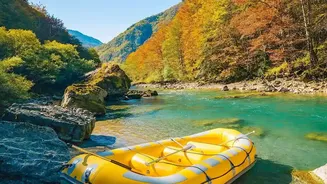
Rishikesh offers several distinct rafting stretches, but two are particularly well-suited for novices. The Brahmapuri to Rishikesh stretch is the gentlest introduction. Spanning about 9 km, it takes roughly 1.5 to 2 hours and features mostly Grade I and II rapids. It's an excellent choice for families and those who are slightly apprehensive, offering scenic views without overwhelming intensity. The most popular choice for first-timers seeking a bit more thrill is the Shivpuri to Rishikesh route. This 16 km journey lasts about 2.5 to 3 hours and perfectly balances calm sections with exciting Grade II and III rapids like 'Roller Coaster' and 'Golf Course'. It delivers the quintessential Rishikesh rafting experience—enough action to get your heart pumping, but well within a safe and manageable limit for beginners.
Safety Isn't an Afterthought
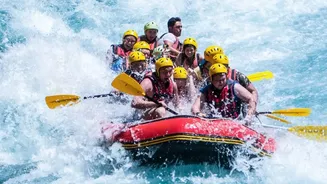
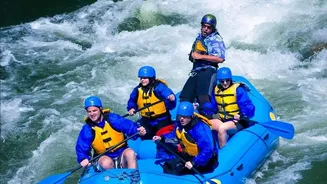
The adventure sports industry in Rishikesh is regulated, and safety is a paramount concern for licensed operators. Before you even touch the water, your trip will begin with a comprehensive safety briefing from your certified guide, covering paddling commands and what to do if you fall in. Wearing a life jacket and helmet is mandatory and non-negotiable. Reputable companies use high-quality, well-maintained rafts and equipment. Furthermore, it is a common misconception that you need to be a swimmer to raft; the life jacket is designed to keep you afloat, though you should stick to lower-grade rapids if you are not confident in the water. Always choose an operator licensed by the Uttarakhand Tourism Department to ensure these standards are met.
The Best Time to Take the Plunge
Timing your trip is key to a great experience. The main rafting season in Rishikesh runs from late September through mid-June. The period is generally divided into two windows: post-monsoon (September to November) and spring/summer (March to June). During these times, the weather is pleasant and the water levels are ideal for rafting. The activity remains closed during the monsoon months, typically from July to early September, due to dangerously high and unpredictable water levels. While rafting is open in the winter (December to February), the water is extremely cold, though operators often provide wetsuits to make it more comfortable.