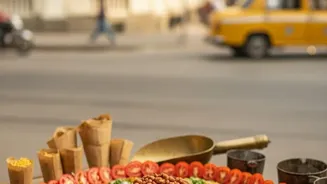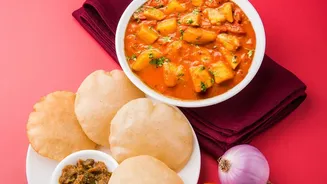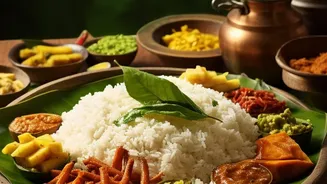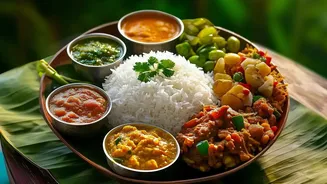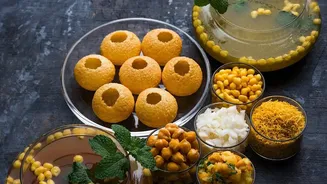



The magnetic pull of a street-side chaat stall is undeniable—the sizzle, the aroma, the vibrant explosion of flavour. Yet, a growing number of Indian foodies are bringing that magic into their own kitchens. Why? It's all about control.
Beyond the Hygiene Factor
The initial impulse
to recreate street food at home often stems from a desire for better hygiene. Concerns about the cleanliness of water, hand-washing practices, and the surrounding environment of street stalls are valid. Making pani puri or pav bhaji in your own kitchen immediately eliminates these worries, offering a sense of safety and control over the ingredients and preparation environment. However, the trend runs much deeper than just food safety. It has evolved into a creative pursuit, a way to reclaim and personalise some of India's most beloved culinary traditions. While hygiene opens the door, the real magic lies in what happens once you're in charge of the spice box.
The Spice Palette Becomes Your Own
This is the heart of the matter. Street vendors often have a signature masala blend that is used throughout the day, which defines their unique taste. At home, there are no such constraints. Every single element is open for customisation. You can dial up the heat with extra red chilli powder, or tone it down for family members with a lower spice tolerance. You have the power to decide if your dahi puri needs a sharper, tangier kick from amchur (dried mango powder) or a more fragrant, sweet note from a sprinkle of freshly roasted and ground cumin. The balance of black salt (kala namak), with its distinctive sulfuric tang, is entirely in your hands. This isn't just about adjusting levels; it's about fundamentally shaping the flavour profile to match your exact craving. You become the vendor, the artist, and the connoisseur all at once.
From Regional Loyalty to Fusion Fun
A street vendor in Mumbai is unlikely to incorporate the panch phoron spice blend of the East, just as a Delhi vendor's chaat will taste different from one in the South. But in a home kitchen, these regional boundaries disappear. You can create a frankie with a filling seasoned with South Indian podi, or add a hint of your grandmother's secret garam masala to a plate of bhel puri. This freedom allows for exciting culinary experiments. It's an opportunity to pay homage to different regional traditions within a single dish, creating a version that is uniquely yours. This act of fusion is a celebration of India's diverse culinary landscape, all happening on one plate in your home.
A Healthier, Guilt-Free Indulgence
Let's be honest: many street food favourites are deep-fried, rich, and can be heavy on salt and oil. By recreating them at home, you gain complete control over the nutritional content. Samosas and tikkis can be air fried or baked instead of deep fried. You can manage the amount of butter in your pav bhaji or the sugar in your chutneys. This transforms what might be a 'sometimes treat' into a healthier meal you can enjoy more regularly without the guilt. It’s about making these beloved indulgences fit better into a modern, health conscious lifestyle without sacrificing the flavours that make them special.
The Joy of Nostalgia and Creation
Beyond the practical benefits, making street food at home is an act of joy and nostalgia. It's about recreating a flavour from memory—the perfect pani puri you had on a trip, or the vada pav your father used to bring home. There is immense satisfaction in mastering a recipe, from getting the texture of a dahi vada just right to perfecting the balance of chutneys. It becomes a shared activity, a way to connect with family and pass down culinary traditions. In a world of instant food delivery, the unhurried process of preparing a beloved dish from scratch offers a therapeutic and fulfilling experience, connecting you to your culture and your ingredients in a more meaningful way.