



The Search for a Smarter Sip
As more of us look for ways to reduce our sugar intake, the beverage aisle can feel like a minefield. Many packaged drinks, from sodas to iced teas, are loaded with sugars and artificial flavours that offer little nutritional value. This has sparked a return
to natural, homemade refreshments. Instead of seeing it as a sacrifice, think of it as an upgrade. Traditional Indian coolers, long cherished for their taste and health benefits, provide a perfect solution. Two standout stars in this space are kokum and jamun, offering complex flavours and a host of wellness advantages that sugary drinks simply can't match.
The Gentle Magic of Cold-Steeping
While many Indian sharbats are made by boiling ingredients into a syrup, the cold-steeping method offers a different kind of magic. This technique involves infusing ingredients like fruit, herbs, or tea in cold water for several hours. The slow, gentle extraction process pulls out delicate flavours and aromas without the harshness that heat can sometimes create. Research shows that cold brewing extracts fewer tannins, resulting in a smoother, naturally sweeter, and less bitter drink. This method also helps preserve certain delicate antioxidants and vitamins that can be damaged by high temperatures, making your mocktail even more beneficial.
Kokum: The Tangy Ruby Refresher
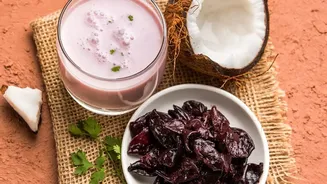
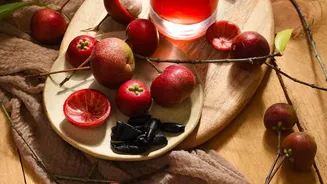
Hailing from the Western Ghats, Kokum (Garcinia indica) is a small, deep-red fruit celebrated for its distinctive tangy and slightly sweet flavour. Traditionally used in coastal cuisines and Ayurvedic medicine, it’s prized for its cooling properties, making it a go-to for beating the summer heat. Kokum is a fantastic digestive aid, known to help with acidity and bloating. It is also packed with antioxidants and contains Hydroxycitric Acid (HCA), a compound studied for its potential role in appetite regulation and weight management. Its natural tartness makes it an excellent base for a drink that feels refreshing without needing much, if any, added sugar.
How to Make a Cold-Steeped Kokum Cooler
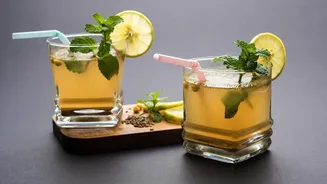
Making a vibrant kokum mocktail is incredibly simple. Start with dried kokum rinds, which are readily available in Indian grocery stores. Rinse about 8-10 rinds and place them in a large jar with one litre of cold water. Let it steep in the refrigerator for at least 4-6 hours, or overnight for a deeper flavour. The water will turn a beautiful ruby red. Afterwards, strain the liquid. At this point, you can customise it. For a classic taste, add a pinch of black salt and a teaspoon of roasted cumin powder. If you prefer a little sweetness, stir in a small amount of jaggery or honey until dissolved. Serve chilled over ice with a sprig of fresh mint for a truly revitalising experience.
Jamun: The Deep Purple Powerhouse
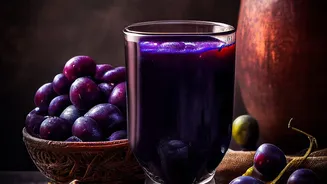
Jamun (Syzygium cumini), also known as the Indian blackberry or Java plum, is a seasonal treasure. Its unique flavour profile—a blend of sweet, tart, and astringent notes—makes it unforgettable. Beyond its taste, jamun is a nutritional powerhouse, rich in Vitamin C, iron, potassium, and antioxidants like anthocyanins, which give it its deep purple colour. Jamun has a long history in Ayurvedic traditions, especially for its role in health management. It has a low glycemic index and contains compounds like jamboline, which are believed to aid in regulating blood sugar levels by slowing the conversion of starch into sugar.
Crafting a Delicious Jamun Mocktail
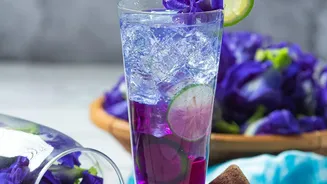
For a simple jamun mocktail, you can either use fresh or frozen deseeded fruit. Take about a cup of jamun pulp and gently muddle it in a pitcher. You don't need to make a perfectly smooth puree; some texture is nice. Add one litre of cold water and a squeeze of fresh lemon or lime juice. For a traditional touch, add a pinch of black salt (kala namak), which beautifully complements the fruit's flavour. Let this mixture sit in the fridge for a couple of hours for the flavours to meld. To serve, pour into glasses filled with ice and garnish with fresh mint leaves. For a fizzy version, top it off with plain sparkling water just before serving.