








Clear Gutters and Terrace Drains
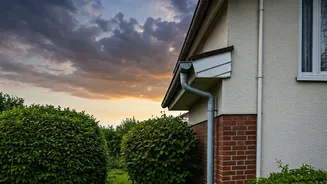
This is the most crucial first step. Over the dry months, your roof gutters and terrace drains have likely collected a mix of dust, leaves, bird nests, and stray plastic. When the first heavy downpour arrives, this debris turns into a solid plug. Water
that can't flow down will flow sideways, seeping into your roof slab, running down exterior walls, and potentially causing structural damage. Get a ladder and manually clear out all visible debris. Use a sturdy brush to sweep away fine dust. Afterwards, pour a few buckets of water down the drains to ensure the path is completely clear. If you notice slow drainage even after cleaning, there might be a blockage further down the pipe.
Inspect the Roof Surface Thoroughly
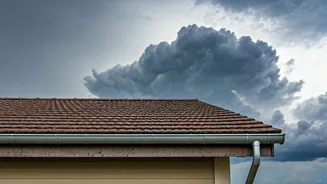
Your roof is your home's primary shield. Go up and visually inspect its entire surface. Look for cracked, broken, or dislodged tiles. On a flat concrete (RCC) roof, search for fine cracks that can widen and let water in. Pay special attention to the flashing—the metal or waterproof sheets used where the roof meets a wall, chimney, or vent pipe. These junctions are common weak points for leaks. If you see any gaps, cracks, or peeling sealant, it's a red flag. Minor cracks can often be fixed with a suitable waterproof sealant, but for extensive damage, it’s best to consult a professional roofing contractor before the rains set in.
Check the Waterproofing Coat
Most concrete terraces in India have a layer of waterproofing applied to them. Over time, exposure to harsh sun can make this layer brittle and cause it to crack or peel away, especially at the corners where the floor meets the wall. Examine the entire surface for signs of wear and tear. Press down on any bubbles or blisters you see, as they can indicate trapped moisture. If your waterproofing is more than five or six years old, consider getting a fresh coat applied. Modern solutions are far more effective and durable, offering better protection against the relentless monsoon downpours.
Trim Overhanging Tree Branches
Trees near your house are lovely, but they pose a dual threat during the monsoon. Firstly, their leaves are the primary culprit for clogging your newly cleaned drains. Secondly, high winds and heavy rain can cause weak branches to snap and fall onto your roof, damaging tiles, solar panels, or water tanks. Before the storms arrive, hire someone to safely trim any large branches looming over your roof. This simple act of pruning not only protects your property but also prevents leaves from creating a constant blockage problem all season long.
Secure Loose Wires and Fixtures
Your roof is often home to more than just a water tank. Dish antennas, solar panels, internet cables, and electrical wiring are frequently installed there. Strong monsoon winds can rattle anything that isn't properly secured. A loose dish antenna can be torn from its mounting, damaging the roof surface and creating a leak point. Dangling electrical wires are an even greater hazard, posing a serious risk of short circuits or electrocution when mixed with water. Do a quick survey and ensure all fixtures are tightly fastened and all electrical wiring is properly insulated and secured away from areas where water might pool.
Examine Your Walls for Early Warnings
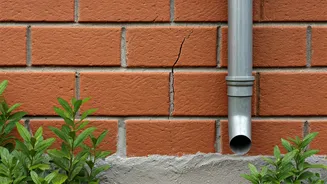
Finally, take a walk around and inside your house. Look for signs of existing dampness on the walls or ceiling, especially on the top floor. Flaking paint, discoloured patches, or a musty smell are tell-tale signs of a slow, hidden leak that will only get worse during the monsoon. These early warnings can help you pinpoint a problem area on your roof or with your external plumbing before it becomes a major crisis. Finding the source of a small stain now is far easier and cheaper than dealing with a large-scale leak in the middle of a torrential downpour.