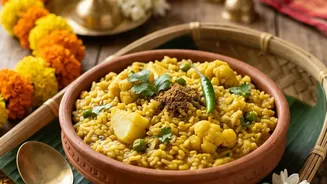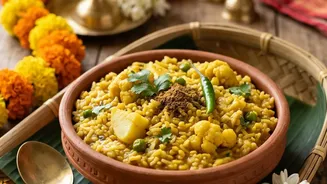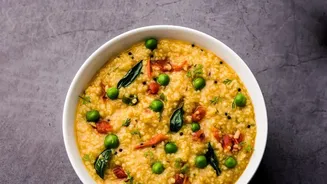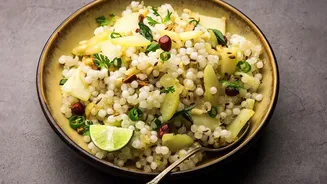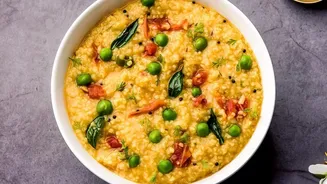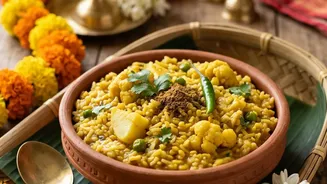



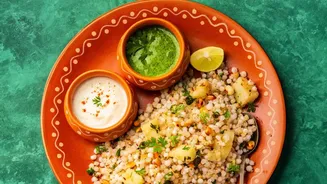
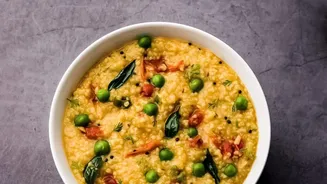
In the world of Indian comfort food, the Dalia versus Khichdi debate is a classic. Both are hailed as wholesome, go-to meals, but which one is truly better for your health goals? The answer is more complex and reveals an important truth about nutrition.
The Comfort Food Contenders
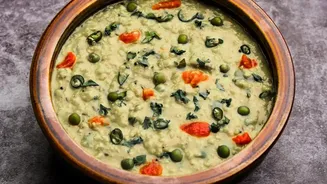
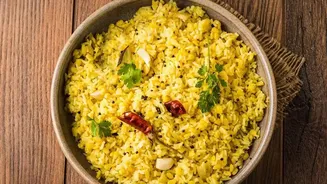
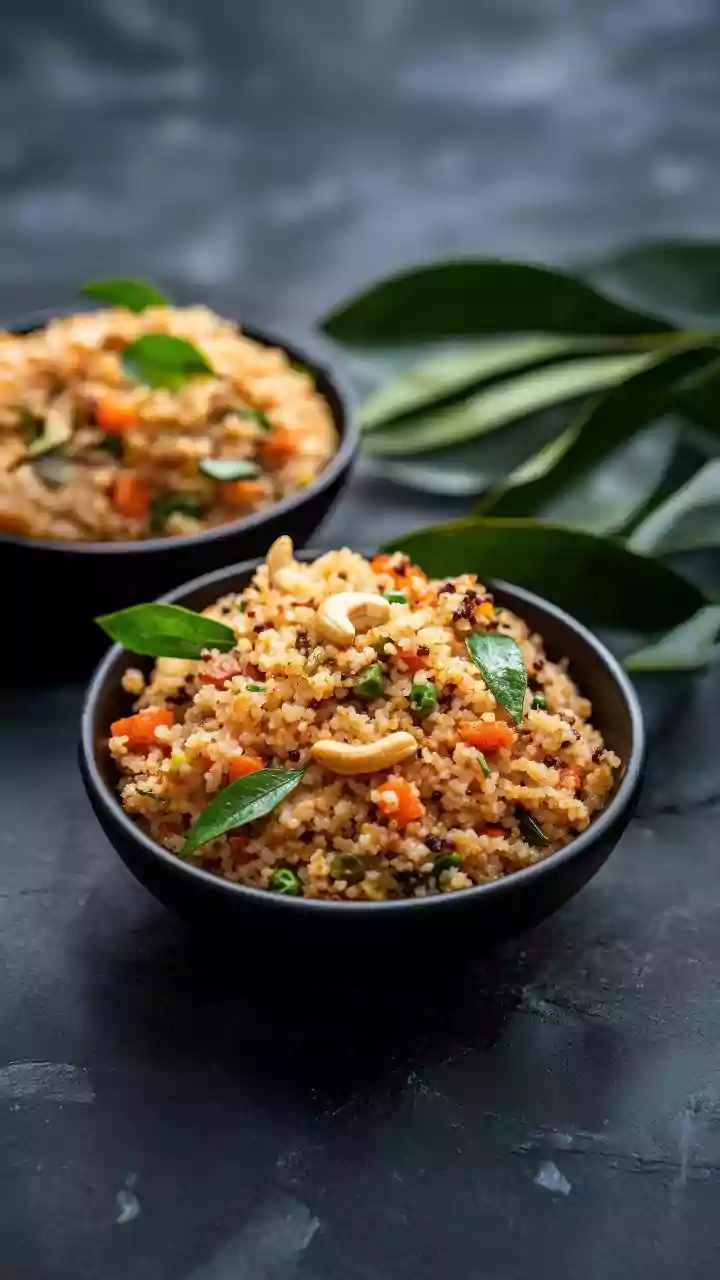
Dalia and Khichdi are staples in countless Indian households, loved for their simplicity and nourishing qualities. Dalia, also known as broken or cracked wheat, is a minimally processed whole grain made by crushing whole wheat kernels. This process ensures it retains its nutrient-rich bran and germ. Khichdi is a timeless one-pot meal, revered for its digestibility. Its base is typically a combination of rice and lentils (most commonly moong dal), a pairing that is both strategic and comforting. Both dishes are often the first choice during illness or when a light meal is needed, but they are also versatile enough for a hearty everyday lunch or dinner.
A Closer Look at Dalia
Dalia's primary strength lies in its whole-grain status. Since it undergoes minimal processing, it is a fantastic source of complex carbohydrates and, most importantly, dietary fibre. A 100-gram serving of uncooked dalia contains an impressive 10-12 grams of fibre and about 12 grams of protein. This high fibre content is its superpower; it aids digestion, promotes a feeling of fullness, and helps prevent constipation. Furthermore, dalia has a low glycemic index (GI), typically around 41, which means it releases sugar into the bloodstream slowly. This provides a steady supply of energy and prevents the sharp blood sugar spikes associated with refined grains, making it a favoured choice for those managing weight or diabetes.
Deconstructing Khichdi's Power
Khichdi's main advantage is the powerful synergy between cereal (rice) and a pulse (dal). Together, they form a complete protein, providing all nine essential amino acids that the body needs for muscle repair and growth. This makes it an excellent meal for vegetarians and for post-workout recovery. Khichdi is famously easy to digest, which is why it is considered a soothing and healing food in Ayurveda. However, its nutritional profile can vary dramatically. The type of rice used is a major factor; khichdi made with white rice will have a higher glycemic index than one made with brown rice or millets. The ratio of dal to rice, the amount of ghee, and the addition of vegetables all play a significant role in its final calorie and nutrient count.
The Real Answer to the 'Healthier' Question
So, which is better? On paper, dalia often seems to have an edge for weight management due to its higher fibre content and lower GI compared to a standard white-rice khichdi. The fibre keeps you feeling full for longer, which can help reduce overall calorie intake. However, this comparison is too simplistic. A plain bowl of dalia can be less nutritious than a khichdi loaded with vegetables and a generous amount of dal. Conversely, a khichdi swimming in ghee with very little dal will be less healthy than a simple vegetable dalia. The truth is, the 'healthy' label belongs not to the dish itself, but to how it's prepared. The claim of one being definitively better than the other is a myth; the power is in the ingredients you choose.
How to Build a Better Bowl
Instead of getting stuck on 'Dalia vs. Khichdi', focus on customising each dish to maximise its nutritional benefits. For a healthier Khichdi, use millets like bajra or brown rice instead of white rice to lower the glycemic index and increase fibre. Be generous with the dal, aiming for at least a 1:1 ratio with the grain to boost the protein content. Pack it with vegetables like spinach, carrots, and peas to add vitamins, minerals, and more fibre. Finally, be mindful of the fat; a small spoonful of ghee adds flavour, but excessive amounts can drastically increase the calorie count. For Dalia, enhance its goodness by cooking it with plenty of vegetables to create a savoury 'dalia khichdi'. While dalia itself has protein, pairing it with a side of curd or adding paneer or more lentils can create a more balanced meal. Avoid making sweet dalia with large amounts of sugar or jaggery if your goal is weight management.