





The Heart of the Matter: Saturated vs. Unsaturated Fats
The core of this debate lies in the type of fat. Ghee is primarily composed of saturated fat. While not inherently evil, major health bodies like the American Heart Association recommend limiting saturated fat intake because excessive consumption can raise
LDL (bad) cholesterol levels, a risk factor for heart disease. Unsaturated fats, found in plant-based oils, are divided into monounsaturated (MUFA) and polyunsaturated (PUFA) fats. These are considered 'good' fats because they can help lower bad cholesterol and are beneficial for heart health. The goal isn't to eliminate saturated fat but to ensure it doesn't dominate your diet.
A Closer Look at Ghee's Profile
Ghee is not without its benefits. Revered in Ayurveda, it contains fat-soluble vitamins like A, D, E, and K, and a short-chain fatty acid called butyric acid, which is good for gut health. It also has a high smoke point (around 250°C), making it stable for high-heat cooking like frying. However, with about 62% of its fat content being saturated, consuming it in large quantities is what raises concerns for health experts. The key takeaway from nutritionists is moderation. Using ghee for its unique flavour in small amounts, like for tempering a dal or spreading on a roti, is different from using it as the primary cooking medium for every meal.
The Rise of Cold-Pressed Oils
The term 'cold-pressed' refers to the extraction method. Oils are extracted by mechanically crushing seeds at low temperatures, without using chemical solvents like hexane or high heat. This gentle process helps the oils retain more of their natural nutrients, antioxidants (like Vitamin E), and flavour profile compared to refined oils, which lose many of these beneficial compounds during processing. Essentially, choosing a cold-pressed oil means you're getting a less processed product with more of its original nutritional goodness intact.
Your Guide to Unsaturated Cooking Oils
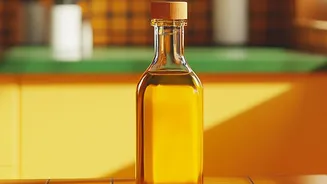
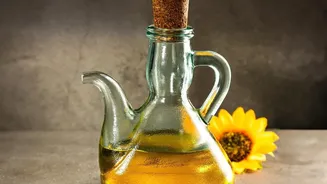
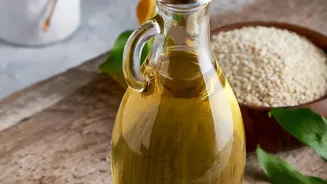
Indian kitchens have a fantastic variety of traditional cold-pressed oils that are rich in unsaturated fats. Cold-pressed mustard oil is a great source of omega-3 fatty acids, which ghee lacks. Cold-pressed groundnut (peanut) and sesame oils are rich in MUFAs and PUFAs, along with Vitamin E and other antioxidants. Even cold-pressed sunflower oil is a good source of Vitamin E and omega-6 fatty acids. These oils bring their own unique health benefits and flavours to your food, complementing the nutrients found in ghee.
Finding a Healthy Balance
The expert advice isn't to banish ghee from your kitchen forever. Instead, it's a call for diversification. Many nutritionists and even the Indian Council of Medical Research (ICMR) suggest rotating your cooking oils to get a wider range of fatty acids. A practical approach could be using cold-pressed groundnut or sesame oil for everyday sabzis and stir-fries, mustard oil for specific regional dishes and pickles, and saving ghee for flavour enhancement, tempering, and making traditional sweets. This strategy allows you to enjoy the best of both worlds—the traditional flavour of ghee and the heart-healthy benefits of unsaturated oils.