


Understanding Complete vs. Incomplete Protein
Proteins are made up of building blocks called amino acids. There are nine 'essential' amino acids that our bodies cannot produce on their own and must get from food. A food source that contains all nine of these in sufficient amounts is called a 'complete
protein'. Most animal products like milk, paneer, and eggs fall into this category. On the other hand, most plant-based foods are 'incomplete' proteins, meaning they are low in one or more essential amino acids. But this doesn't make them inferior; it just means they need a partner.
The Science of Smart Pairing
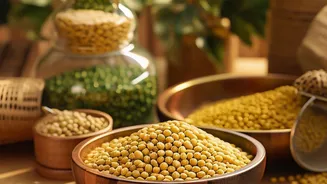
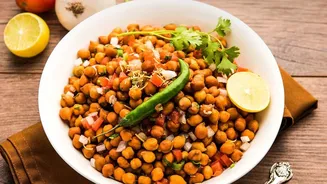
This is where the concept of 'complementary proteins' comes in. By combining two or more incomplete protein sources, you can create a meal that provides all nine essential amino acids. Indian vegetarian cuisine has been doing this for centuries, often without us even realising the science behind it. The most common pattern involves pairing legumes (like dal, chana, rajma) with cereals (like rice and wheat). Legumes are typically low in the amino acid methionine, while grains are low in lysine. When eaten together, one group's strength makes up for the other's weakness, forming a complete protein profile.
Classic Indian Complete Protein Meals
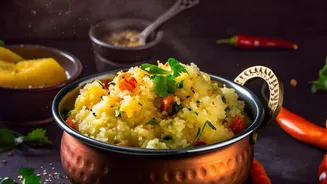
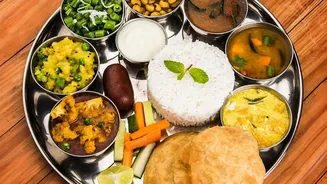
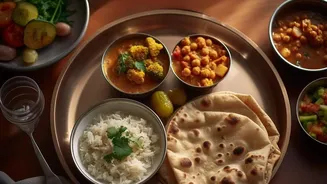
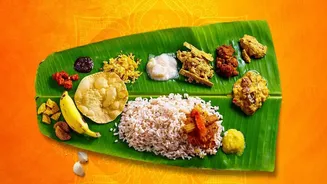
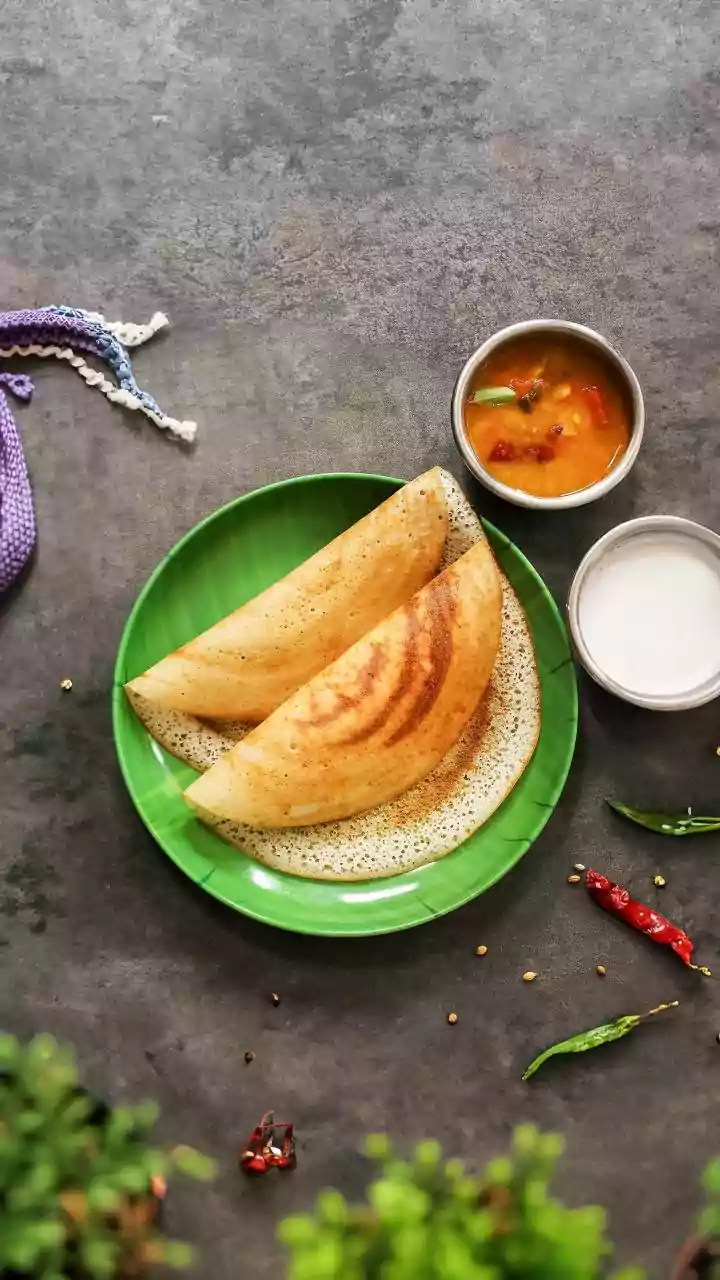
Many of your favourite comfort foods are already perfect examples of protein combining. Dal and Rice (Dal Chawal): This is the most classic example. Rice provides the methionine that dal lacks, and dal provides the lysine that rice lacks, making the combination a high-quality protein source. Roti and Dal: The same principle applies here. The wheat in roti pairs perfectly with any lentil preparation, from dal tadka to dal makhani, to complete the amino acid profile. Idli/Dosa and Sambar: The batter for idli and dosa is made from a mix of rice and urad dal. When served with sambar, which is also made from dal (usually toor dal), you get a powerhouse of complete protein. The fermentation process also enhances nutrient absorption. Rajma and Chawal: A beloved North Indian dish, kidney beans paired with rice is another delicious way to get all your essential amino acids in one meal. Khichdi: Made by cooking rice and moong dal together, khichdi is not just a light comfort food but also a perfectly balanced protein meal.
Going Beyond Grains and Legumes
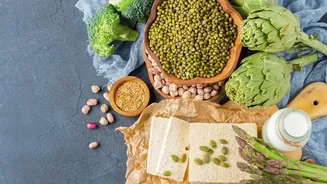
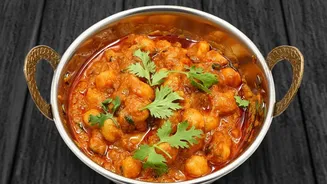
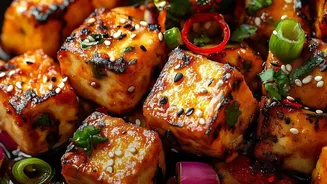
While grains and legumes are the primary combination, there are other ways to ensure you're getting high-quality protein. Dairy as a Completer: Adding dairy to a meal can instantly boost its protein quality. A bowl of curd (dahi) with your dal-rice or paneer bhurji with roti turns an already good meal into a great one. Paneer, milk, and yogurt are complete proteins on their own. Nuts and Seeds: Incorporating nuts and seeds can also help. For instance, hummus, made from chickpeas (a legume) and tahini (a paste from sesame seeds), is a complete protein. Adding seeds like sesame or flax to your roti dough is another easy way to enhance its nutritional profile.
Do I Need to Combine at Every Meal?
It was once believed that you had to eat complementary proteins at the exact same meal for your body to use them. However, modern nutritional science suggests that the body can create a pool of amino acids from the foods you eat throughout the day. So, as long as you eat a varied diet that includes different types of grains, legumes, nuts, and vegetables over the course of a day, your body can pull what it needs to form complete proteins. However, for simplicity and to ensure a balanced intake, pairing them in a single meal remains a straightforward and effective strategy.