


The Foundation: Your Batter's DNA
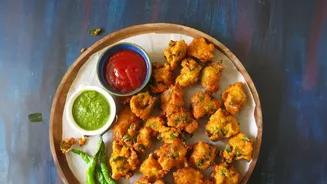
The journey to a crispy bread pakora begins long before the sizzle of hot oil; it starts with the batter. While gram flour (besan) is the traditional and flavorful heart of the mixture, the real secret to a street-vendor crunch lies in its supporting
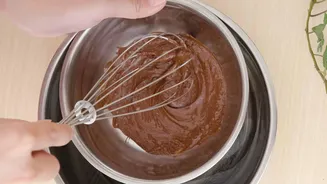
cast. Adding a small proportion of rice flour or cornflour to your besan is a game-changer. Rice flour is lighter and absorbs less oil, creating a delicate, brittle crust that stays crisp longer. A ratio of about 70% besan to 30% rice flour is a great starting point, giving you the nutty flavour of gram flour with the structural integrity and lightness of rice flour. The consistency is just as crucial. Aim for a batter that is thick enough to coat the bread generously without being heavy or pasty. It should slowly drip from a spoon; too thin, and your pakoras will become oily, while too thick results in a dense, doughy coating.
A Touch of Science: Leavening and Seasoning
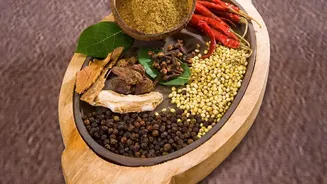
To elevate the texture from just crisp to light and airy, a little chemical magic is required. A small pinch of baking soda is a common addition to pakora batter for a reason. When it hits the hot oil, baking soda releases tiny carbon dioxide bubbles, which expand and create a lighter, more porous texture in the crust. This prevents the pakora from becoming dense. However, use it sparingly—too much can impart a soapy taste. Another pro-tip is to add a tablespoon of the hot frying oil directly into the batter just before you start frying. This technique, often used by street vendors, is said to help make the pakoras crispier and reduce overall oil absorption. Don't forget the spices. Ajwain (carom seeds), turmeric, and red chilli powder not only provide essential flavour but also contribute to the final texture of the crust.
Temperature is Everything
You can have the most perfectly formulated batter, but if your oil temperature is wrong, you'll end up with a disappointing snack. Frying pakoras is a science of heat management. The ideal temperature range is between 175°C and 180°C (347°F to 356°F). If the oil is too cool, the bread will absorb it like a sponge, leading to a greasy, heavy pakora. If the oil is too hot, the batter will brown and burn on the outside before the bread and filling have a chance to cook through properly. A simple way to test your oil without a thermometer is to drop a small speck of batter into it. If it sizzles and rises to the surface steadily without browning too quickly, your oil is ready. It’s also vital to fry in small batches. Overcrowding the pan causes a significant drop in oil temperature, leading straight to the dreaded soggy pakora.
The Ultimate Hack: The Double Fry
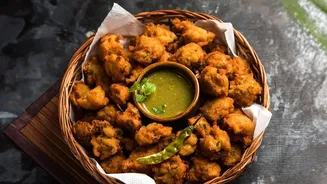
If you are truly dedicated to achieving the most shatteringly crisp exterior possible, embrace the professional technique of double frying. This method is the secret behind many of the crispiest snacks, from french fries to fried chicken. The process involves two stages. First, fry the bread pakoras in moderately hot oil until they are cooked through and have a pale, light golden colour. This initial fry cooks the inside and sets the batter. Remove them from the oil and let them drain and cool for a few minutes. For the second fry, increase the oil temperature slightly. Fry the partially cooked pakoras again, this time for just a minute or two, until they turn a deep, golden-brown and become audibly crispy. This second, hotter fry is all about driving out the last bits of moisture from the crust, resulting in an unparalleled, long-lasting crunch. It’s an extra step, but the textural payoff is enormous.
Avoiding Common Mistakes
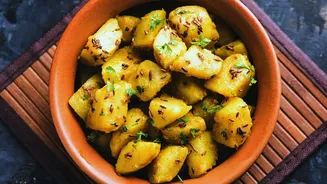
Beyond the major techniques, a few simple details can make all the difference. Firstly, consider using bread that is a day or two old; slightly stale bread tends to be drier and absorbs less batter and oil, which helps in achieving a crispier result. When you remove the finished pakoras from the oil, never stack them on a plate. This traps steam and will quickly turn the bottom layer soft. Instead, let them drain on a wire rack, which allows air to circulate and keeps the entire surface crisp. Finally, whether you're making plain bread pakoras or the popular stuffed version with a spicy potato filling, ensure the filling isn't overly moist, as this can create steam from within and compromise the crust's integrity.