
A Shift in Strategy
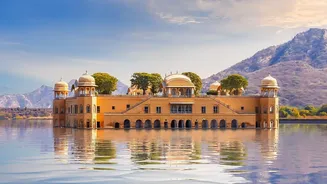
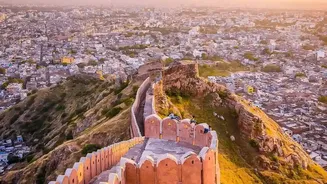
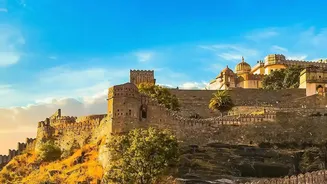
For decades, tourism in Rajasthan has revolved around the magnificent circuit of Jaipur, Jodhpur, and Udaipur. While these cities are undeniably spectacular, their popularity has led to overcrowding and a standardised tourist experience. Now, the state
government is actively promoting a new vision. The strategy is simple yet transformative: develop and promote lesser-known destinations to distribute tourist footfall, create new economic opportunities, and offer travellers a more diverse and authentic experience. This push encourages visitors to explore places rich in culture but free from the crowds, positioning them as the next frontier for heritage travel. Bundi is a prime example of a town poised to benefit from this new focus.
Bundi: The Unsung Jewel
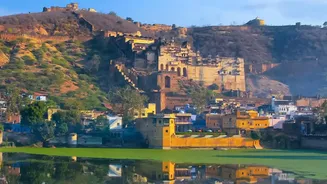
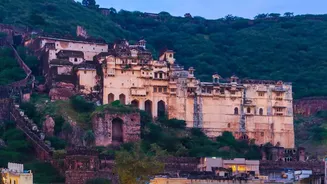
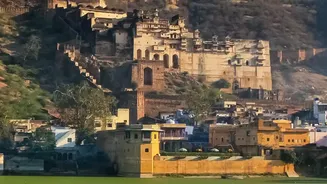
Nestled in the Aravalli hills, Bundi offers a Rajasthan experience that feels preserved in time. Unlike its larger counterparts, Bundi rewards visitors with a slower pace of life. Its narrow lanes are famous for their Brahmin-blue houses, intricate havelis, and an atmosphere of serene antiquity. For years, it has been a cherished secret among backpackers and discerning travellers seeking authenticity over glamour. The town, once the capital of the great Hadoti Kingdom, retains a fairy-tale quality, a place where magnificent forts and palaces seem to grow out of the hillside in a way that led author Rudyard Kipling to describe Bundi Palace as "the work of goblins rather than of men."
A Legacy of Art and Architecture
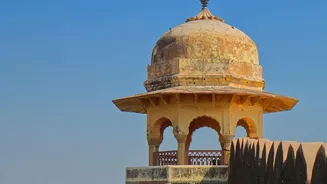
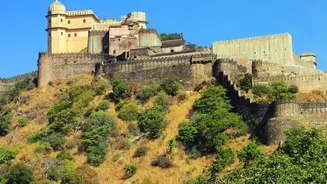
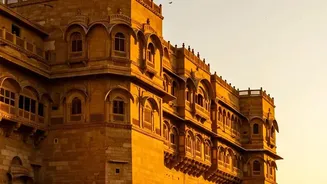
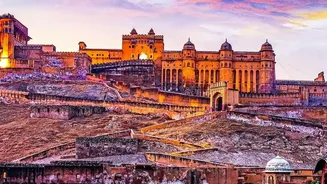
Bundi’s importance stems from its staggering collection of heritage structures. The imposing Taragarh Fort, built in the 14th century, looms over the town, its ramparts offering panoramic views. Below it lies the Garh Palace, a sprawling complex known not for its symmetry but for its almost dreamlike collection of palaces built over centuries. The crown jewel within is the Chitrashala, an open-air gallery of exquisite miniature murals from the famed Bundi School of painting. These centuries-old frescoes, depicting scenes from royal life and mythology in vibrant greens and blues, are a testament to the town's artistic legacy. Beyond the palace, Bundi is known as the 'City of Stepwells,' with over 50 ancient 'baoris,' including the intricately carved Raniji ki Baori.
Why Visit Now?
The government's promotional push makes now a pivotal time for Bundi. This focus translates into a better visitor experience, with the state encouraging investment in infrastructure, connectivity, and new tourism products like homestays. The “Rajasthan in Summer” campaign specifically highlights Bundi as a hidden heritage destination, suggesting a move towards year-round appeal. Furthermore, there is a renewed, if slow, focus on conservation. The Archaeological Survey of India has plans for the restoration of the precious Chitrashala paintings, while members of the former royal family are also undertaking private conservation efforts at the Garh Palace. Visiting now allows you to support a destination on the cusp of wider recognition, contributing to the preservation of its unique character before the crowds arrive.
Planning Your Trip
Bundi is best visited between October and March when the weather is pleasant. The town is well-connected by road and makes for an excellent stop between Jaipur and Udaipur, though it deserves more than a fleeting visit. Two to three days are ideal to explore the fort, palace, stepwells, and colourful bazaars at a leisurely pace. You can also experience the unique Kajli Teej festival in July-August, a vibrant celebration specific to the city. By choosing to explore Bundi, travellers are not just seeing another fort or palace; they are actively participating in the sustainable future of Rajasthan's tourism, rewarding a community that has preserved its heritage with remarkable grace.