




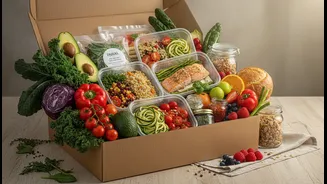



The Modern Indian Food Paradox
Many young adults in India today are more health-conscious than ever. They have access to a flood of information about superfoods, macronutrients, and clean eating. They can tell you why quinoa is good for you and why processed sugar is not. However,
this theoretical knowledge often doesn't translate into practice. Research and anecdotal evidence show a growing gap between nutritional awareness and daily eating habits. Young professionals, often living away from home for the first time, find themselves caught in a paradox: knowing what constitutes a healthy diet, but struggling with the practical steps to make it a consistent reality. The result is often a reliance on food delivery apps, skipping meals, and a diet high in convenience foods, even when the desire to eat healthy is present.
Why the Struggle Is Real
Several factors contribute to this struggle. Hectic work schedules and long commutes leave little time or energy for cooking. For many, the traditional transfer of culinary skills from one generation to the next has been disrupted by migration to cities for education and jobs. This creates a skills gap where basic meal preparation can feel daunting. Compounding this is the sheer convenience and aggressive marketing of food delivery platforms, which offer endless options at the tap of a button. This environment makes it easy to choose immediate gratification over the effort of planning, shopping, and cooking. The mental load of deciding what to eat every day, known as 'decision fatigue', can also lead to choosing the easiest, though not always healthiest, option.
Beyond Nutrition: What Is Food Literacy?
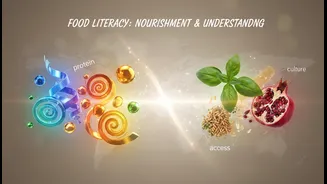
This is where the concept of 'food literacy' becomes crucial. It’s a term that goes far beyond simply knowing nutritional facts. Food literacy is the practical ability to plan, manage, select, prepare, and eat food to meet your needs. It involves a collection of interconnected skills: understanding food labels, budgeting for groceries, basic cooking techniques like chopping and sautéing, and knowing how to safely store food and use leftovers. It also includes having the confidence to create a tasty meal from the ingredients you have available and understanding the broader food system, from how food is grown to how it gets to your plate. In short, it’s the bridge that connects knowing what to eat with actually eating it.
Meal Planning: The Cornerstone Skill
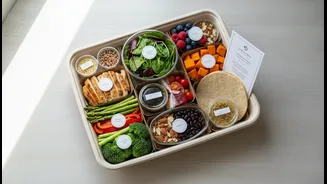
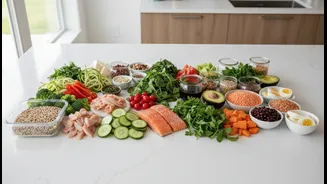
At the heart of food literacy is meal planning. This single habit can transform your relationship with food. Planning meals for the week saves significant time and money by streamlining grocery shopping and reducing impulse buys and food waste. It removes the daily stress of figuring out what to cook, which frees up mental energy for other tasks. Having a plan gives you control over your ingredients and portion sizes, making it easier to stick to health goals. It also encourages dietary variety, as you can intentionally incorporate different types of foods and recipes, preventing the monotony that often leads to unhealthy choices. Involving family or housemates in the process can also make it a collaborative and enjoyable activity.
A Skill for Lifelong Well-being
In an era of rising lifestyle diseases in India, developing food literacy is not a chore but a critical life skill. It empowers you to take control of your health in a tangible way. Poor dietary habits in young adulthood are linked to a higher risk of chronic conditions like diabetes and heart disease later in life. By building the skills to feed yourself well, you are making a long-term investment in your physical and mental well-being. It fosters a more mindful and positive relationship with food, shifting the focus from restrictive dieting to nourishment and enjoyment. Reconnecting with home cooking, even adapting traditional family recipes for a modern, healthier lifestyle, can also be a source of comfort and cultural identity.