






Why the Pictures Don't Match Reality
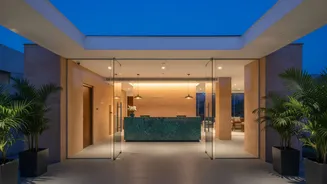
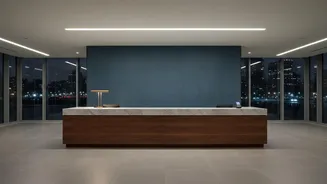
The gap between a hotel's online gallery and the actual room is often a result of deliberate marketing techniques, not necessarily outright deception. Professional photographers use wide-angle lenses that can make a cramped room appear palatial. They
employ advanced lighting methods like HDR to create perfectly balanced, bright images that don't reflect the room's natural ambiance. Furthermore, the room in the photo is meticulously staged; clutter like bins and cables is removed, and bedding is steamed to perfection. The photos you see might also be several years old, taken right after a renovation, failing to show the wear and tear from thousands of guests. Often, the most luxurious suite's photo is used to represent all rooms, even the most basic ones.
Decoding Vague Room Categories
A major source of confusion is the inconsistent naming of room categories. Terms like 'Deluxe', 'Premium', or 'Executive' have no universal standard. A 'Deluxe Room' in one hotel might be a spacious, upgraded room, while in another, it could simply be a standard room on a higher floor. This ambiguity allows properties to create an impression of variety and luxury without offering tangible differences. The name itself is less important than the specific details. Instead of relying on these labels, savvy travelers should look for concrete information like square footage, bed type (King, Queen, Twin), and specific views mentioned in the description. If this information is missing, it's often a red flag that the room is smaller than you'd hope.
Your Pre-Booking Checklist
A few minutes of research before you click 'book' can save you from significant disappointment. First, hunt for recent photos taken by other guests on platforms like TripAdvisor and Google Reviews; these are unfiltered and honest. Sort reviews by the newest date, not the default 'most relevant', to get a current pulse on the hotel's condition. If the room size isn't listed, don't be shy about calling or messaging the hotel directly to ask for the square footage and confirm the amenities for your specific room category. You can also ask them to clarify the difference between, for example, their 'Superior' and 'Deluxe' rooms. Comparing prices across the hotel's official site and a couple of online travel agencies (OTAs) is also a wise move.
What to Do Upon Arrival
If you walk into your room and it’s clearly not what was advertised, it’s important to act promptly and professionally. Before you even unpack, take photos and videos of the discrepancies. Document the issues, whether it's a missing amenity like a promised bathtub, a much smaller space, or a view of a brick wall instead of the sea. Then, go to the front desk, stay calm, and clearly explain the problem, showing them your evidence and the original booking description. Ask for the specific room you booked or a suitable alternative. If the front desk is unhelpful, ask to speak with the hotel manager. During peak season, options may be limited, but it's crucial to have your complaint officially noted.
Know Your Rights as a Consumer
In India, misleading advertising by hotels and booking platforms is considered an unfair trade practice under the Consumer Protection Act. Recent rulings have held both hotels and the online platforms they use jointly responsible for false claims. India’s Central Consumer Protection Authority (CCPA) is increasingly holding online aggregators accountable for the listings they promote, requiring them to verify claims and act on complaints. If the hotel fails to resolve the issue, you can escalate your complaint to the booking platform you used. They often have their own customer service processes to mediate disputes. As a last resort, you can file a formal complaint through the National Consumer Helpline. Knowing that consumer protection bodies are taking notice can empower you during your conversation with the hotel management.