



Mawlynnong, Meghalaya
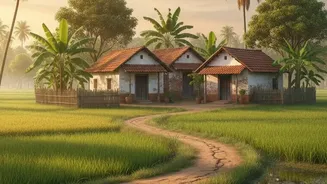
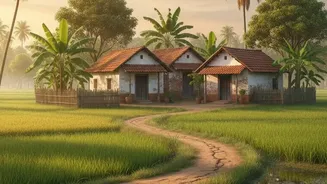
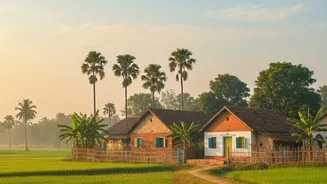
Famed as 'Asia's Cleanest Village', Mawlynnong is a testament to community living and respect for nature. Life here is simple and orderly, with spotless lanes lined with flowering plants and bamboo dustbins at every corner. Visitors can stay in traditional
Khasi homestays, walk across living root bridges, and climb a bamboo watchtower for views of the Bangladesh plains. The village encourages a quiet, respectful form of tourism, making it perfect for those seeking tranquility over typical tourist bustle.
Ziro, Arunachal Pradesh
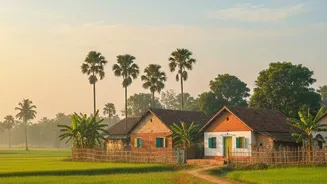
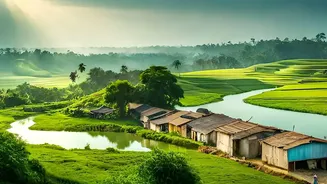
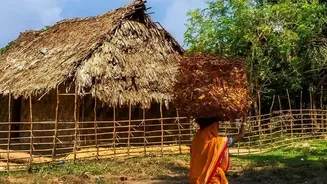
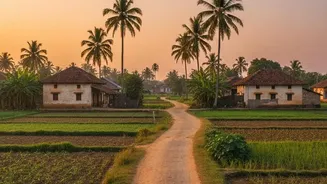
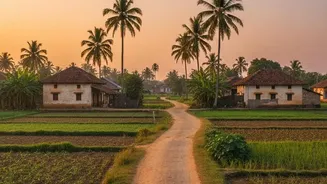
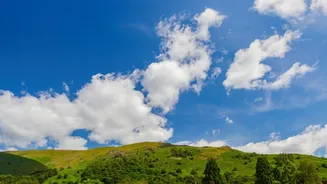
Nestled in the Eastern Himalayas, Ziro Valley is home to the Apatani tribe, known for their unique sustainable agriculture and rich cultural heritage. The landscape is a stunning canvas of lush paddy fields, pine-clad hills, and traditional bamboo houses. Slow living here means immersing yourself in the local way of life, from understanding their intricate farming system to enjoying the peaceful, harmonious existence between the community and their environment. It's a place where time feels measured by seasons, not minutes.
Munsiyari, Uttarakhand
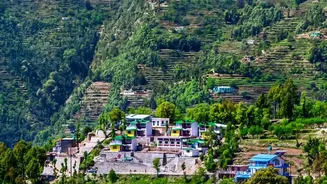
Often called the 'Mini Kashmir' of Uttarakhand, Munsiyari is a paradise for mountain lovers seeking solitude. The main draw is the breathtaking, unobstructed view of the five snow-capped Panchachuli peaks. Life in this quiet town revolves around nature. Days are spent on gentle hikes, visiting the Nanda Devi temple, or simply sitting on a balcony watching the sunrise paint the peaks in hues of gold. It's a base for serious trekkers but also a haven for those who want to do nothing but breathe crisp mountain air.
Majuli, Assam
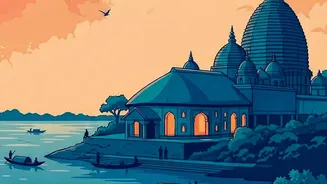
The world's largest river island, Majuli, sits peacefully in the Brahmaputra River and is the cradle of Assamese Neo-Vaishnavite culture. The island is dotted with 'Sattras' — unique monasteries that are centres for art, music, dance, and theatre. Getting here by ferry is the first step in slowing down. Life on the island is dictated by the river's rhythm. You can cycle through villages, watch artisans craft traditional masks, and witness a culture that thrives in harmony with its fragile, ever-changing environment.
Gavi, Kerala
Tucked away inside the Periyar Tiger Reserve, Gavi is an eco-tourism project managed by the Kerala Forest Development Corporation. This isn't your typical Kerala backwater experience; it’s a deep dive into pristine wilderness. Activities are centred on nature: trekking, wildlife watching, canoeing on the serene Gavi Lake, and staying in eco-lodges. It’s a place for true nature enthusiasts, where you might spot Nilgiri Tahr or lion-tailed macaques and where the only sounds are the calls of birds and the rustle of the forest.
Khimsar, Rajasthan
Beyond the popular circuits of Jaipur and Jodhpur lies Khimsar, a village on the edge of the Thar Desert offering a blend of royal heritage and tranquil desert life. The centrepiece is the 16th-century Khimsar Fort, part of which is still home to the royal family. A short drive away, the Khimsar Dunes Village provides an oasis-like experience with luxury huts surrounded by golden sands. Here, you can enjoy jeep safaris, camel rides, and quiet evenings watching the sunset over the unending dunes, far from any crowds.
Diskit, Ladakh
While Ladakh is popular, the village of Diskit in the Nubra Valley retains a profound sense of peace. Situated on the banks of the Shyok River, it's home to the region's oldest and largest monastery. The defining feature is the colossal 32-metre statue of Maitreya Buddha, which overlooks the valley and promotes peace. Life here is shaped by the rhythms of monastic prayers and the stark, stunning beauty of the high-altitude desert. It's a place for quiet contemplation against a backdrop of dramatic landscapes and endless skies.
Kalap, Uttarakhand
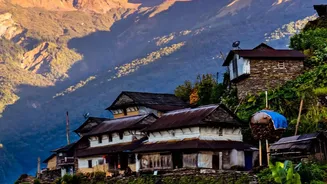
For the ultimate disconnect, Kalap is a remote village in the Garhwal Himalayas that is only accessible via a trek. With no roads leading directly to it, the village has been insulated from commercial tourism. Life is beautifully simple, revolving around agriculture and local traditions. Tourism here is community-led, with visitors staying in homestays and directly supporting the local economy. It’s a destination for those who are willing to make an effort to find a place where time truly seems to stand still, and the culture remains authentic and preserved.