




The Unmistakable 'Chatpata' Sensation
To understand the appeal of jeera soda, one must first understand the concept of 'chatpata'. It's a flavour profile that doesn't have a simple English equivalent but is instantly recognizable across India. It is a thrilling collision of tastes: sweet,
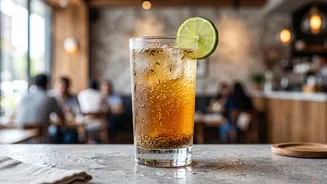
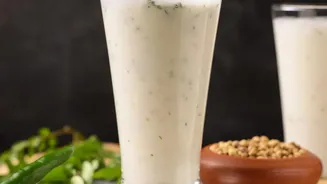
sour, salty, and spicy, all in one mouthful. This is the taste of street-side chaat, of tamarind chutneys, and of the secret spice mixes grandmothers are famous for. Jeera soda is this sensation in liquid form. It combines the earthy, roasted flavour of cumin (jeera) with the sharp tang of black salt (kala namak), a hint of sweetness, and the refreshing kick of carbonation. It’s a complex, layered experience that stands in stark contrast to the one-dimensional sweetness of most Western soft drinks.
From Kitchen Remedy to Bottled Sensation
The roots of jeera soda are not in a corporate boardroom but in household kitchens and on the carts of street vendors. For generations, jeera water, often served warm, has been a trusted home remedy for indigestion. Cumin is traditionally known in Ayurveda for stimulating 'agni', or the digestive fire. Street vendors across the country, particularly in North India, have long mixed this spiced water with soda for a refreshing, after-meal digestive. For years, this remained a fragmented, unorganised market. However, in the last decade, a wave of homegrown brands saw an opportunity. Brands like Lahori Zeera, which famously started from a kitchen experiment, and Xotik Frujus' Jeeru, decided to bottle this traditional flavour, making it accessible to everyone, everywhere. Their success has been meteoric, transforming a local remedy into one of the fastest-growing beverage categories in the country.
A 'Desi' Challenge to Global Giants
The rise of jeera soda is a significant chapter in India’s beverage market story. For decades, the market was an oligopoly dominated by Coca-Cola and PepsiCo. But the success of ethnic beverages has started to shift the balance. According to a Kotak Mutual Fund report, the market share of these homegrown ethnic drinks, led by cumin-based sodas, doubled to about 15% by September of last year, while the combined share of the global giants fell from approximately 93% to 85%. This isn't just about flavour; it's about identity. Brands have marketed jeera soda as an authentic, 'desi' alternative, a taste that is unapologetically Indian. This resonates with a growing consumer base that is showing renewed pride in local traditions and flavours.
More Than a Drink, It's a Cultural Statement
The preference for a drink like jeera soda is deeply cultural. The 'chatpata' flavour it embodies is a cornerstone of Indian snacking and street food, a culinary tradition that balances multiple strong tastes. The drink’s success signifies a broader trend of 'regional taste nostalgia', where consumers are increasingly drawn to authentic flavours that connect them to their roots and childhood memories. It’s a flavour profile that is adventurous, complex, and satisfying in a way that simple sweetness is not. In a globalised world, the embrace of jeera soda is a confident assertion of a unique Indian palate, one that finds comfort and excitement in the familiar dance of spice and tang.