





The Problem with Emergency Pumping
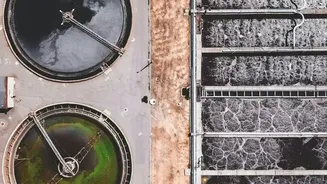
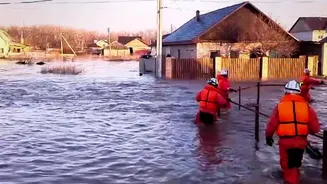
When a city’s drainage system is overwhelmed, pumps are the last line of defence. These machines are designed for one job: moving large volumes of water quickly from where it isn't wanted to where it can safely drain away. However, they are a reactive,
not a preventive, solution. By the time pumps are needed, the damage has already begun. They are energy-intensive, and their effectiveness is limited by the capacity of the pump and the availability of power, which can often be disrupted during severe weather. Furthermore, floodwater is rarely clean; it's often filled with silt, trash, and debris that can clog and disable the pumps when they are needed most. Relying on pumps is an admission that the primary system has already failed.
Our Cities' Failing Arteries
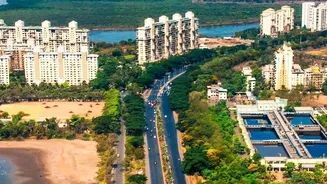
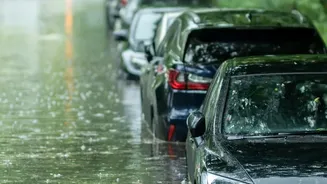
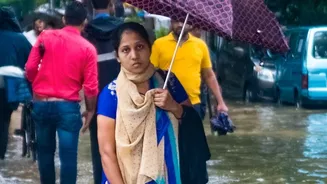
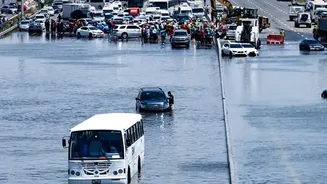
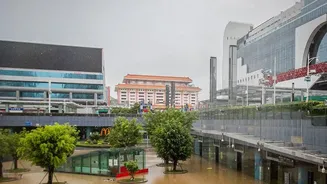
The core of the issue lies beneath our feet in the network of stormwater drains. One of the primary reasons for urban flooding in India is inadequate drainage infrastructure. Many systems were built decades ago, designed for gentler rainfall patterns that no longer exist. Climate change has brought shorter, more intense bursts of rain that modern systems struggle to handle. This engineering challenge is compounded by human factors. Drains are frequently choked with plastic waste and construction debris, drastically reducing their capacity. Unplanned construction has often encroached upon or completely blocked natural and man-made drainage channels, leaving water with nowhere to go. This turns moderate rainfall into a city-wide crisis.
The Vanishing Sponges of Our Cities
Historically, cities were built around natural ecosystems that helped manage water. Lakes, wetlands, ponds, and floodplains acted as natural sponges, absorbing excess rainwater and releasing it slowly. However, rapid and often unplanned urbanisation has led to these vital 'blue infrastructure' elements being paved over for real estate and roads. Cities like Bengaluru have lost a significant percentage of their lakes, while Chennai's marshlands have been developed upon. This relentless concretisation prevents rainwater from percolating into the ground, leading to massive surface runoff that quickly overwhelms the artificial drainage networks. The crisis is not always natural; in many ways, it is engineered by a development model that works against nature instead of with it.
From Reaction to Resilience
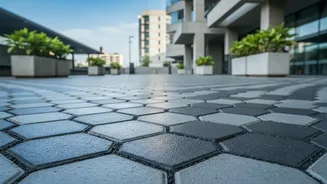
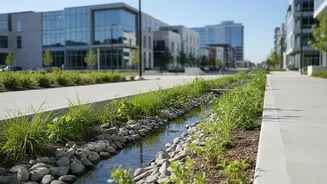
The long-term solution is not bigger pumps, but smarter planning and a renewed focus on drainage. This begins with the basics: regular desilting and maintenance of existing drains to ensure they function at full capacity. But looking further, cities must adopt a new philosophy of water management. The 'Sponge City' concept offers a compelling alternative, using green infrastructure to mimic natural processes. This includes installing permeable pavements that allow water to seep through, creating rain gardens and bioswales to absorb runoff, and restoring urban water bodies. By designing cities that can absorb, clean, and store rainwater, we can reduce the burden on drains and recharge precious groundwater at the same time, tackling both flooding and water scarcity.