








The Rise of the Impromptu Getaway
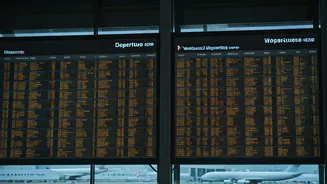
The long-planned annual vacation is making way for its faster, more impulsive cousin: the spontaneous short-haul trip. According to recent travel industry reports, last-minute flight bookings for domestic destinations have skyrocketed, with some analyses
pointing to a staggering 68% increase in searches for trips planned within a week of departure. This isn't about migrating for work or family emergencies; this is a fundamental shift in leisure travel. Indians, particularly in urban centres, are swapping extensive itineraries for the thrill of a quick decision. A boring Wednesday at work can now realistically transform into a sunny Friday morning in Goa or a culture-filled weekend exploring Jaipur’s forts.
What's Fuelling This Spontaneity?
Several powerful forces are converging to drive this trend. The most significant is the evolution of work culture. The pandemic normalised remote and hybrid work models, untethering millions of professionals from their physical desks. This newfound flexibility allows for 'workations' or simply seizing a long weekend without dipping into precious annual leave. Psychologically, there's also a post-pandemic effect at play. After years of lockdowns and uncertainty, many feel a heightened desire to seize the moment—a phenomenon some call 'revenge travel 2.0'. Instead of one big, planned-out trip, travellers are opting for multiple, smaller doses of escape to combat burnout and monotony.
Technology as the Great Enabler
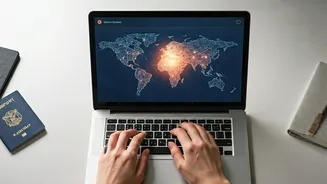
This travel revolution wouldn't be possible without the technology in our pockets. Travel aggregator apps and airline websites have become incredibly sophisticated, using dynamic pricing and targeted notifications to push last-minute deals. Algorithms can now identify under-booked flights and offer attractive fares to users who have previously searched for similar routes. This creates a powerful feedback loop: airlines want to fill empty seats, and travellers are increasingly open to being tempted by a good deal. The entire process—from seeing an offer to booking a flight and hotel—can be completed in minutes, removing the friction that once made spontaneous travel a logistical headache.
The New Face of the Indian Traveller
The demographic leading this charge is primarily millennials and Gen Z. This digitally native cohort is comfortable with making quick decisions and values experiences over possessions. Data from travel platforms shows a significant uptick in bookings from solo travellers and DINK (Dual Income, No Kids) couples, who have the financial freedom and flexibility to act on impulse. They aren't looking for a week-long, jam-packed schedule. Instead, the goal is often simply a change of scenery—a chance to unwind at a beach cafe, explore a new food scene, or hike a scenic trail for 48 hours before returning to the Monday morning grind, recharged and refreshed.
Should You Jump on the Bandwagon?
Embracing spontaneity can be liberating, but it pays to be smart. While last-minute deals are real, booking flights closer to the departure date can also mean paying a premium, especially on popular routes or during holidays. The key is flexibility. If you're open to multiple destinations and can travel on slightly off-peak days (like a Thursday or Monday), your chances of snagging a bargain increase. Use fare-alert features on travel apps and be ready to act when a good price appears. The spontaneous trip is less about saving money and more about investing in mental well-being, offering a quick and effective antidote to the pressures of modern life.