







The Core Allegation
Recent reports, citing unnamed sources, allege that a number of Indian cricketers, including some playing in the IPL, are using prescription drugs for weight loss. The trend is reportedly not limited to senior players; younger cricketers are also said
to be experimenting with these substances to meet the rigorous fitness standards of the elite game. This has sparked a conversation about potential 'shortcuts' to achieving the lean, athletic physique now common in the sport, with some sources noting a parallel to similar trends in Bollywood. So far, no specific players have been named, and there has been no official statement from the BCCI or IPL confirming these claims.
What Are These Injections?
The drugs at the center of this controversy are known as GLP-1 agonists, with brand names like Ozempic and Mounjaro. These are primarily prescription medications developed to treat Type 2 diabetes. They work by mimicking a gut hormone that regulates blood sugar, suppresses appetite, and slows down digestion, making a person feel fuller for longer. This appetite suppression is what often leads to significant weight loss. However, medical experts are clear: these are not cosmetic tools for losing a few kilos. They are powerful medications intended for patients with specific clinical needs, like diabetes or diagnosed obesity, and should only be used under a doctor's supervision.
Are They Banned in Sport?
This is the crucial question for professional athletes. As of now, GLP-1 agonists like Ozempic are not on the World Anti-Doping Agency's (WADA) Prohibited List. However, they are on WADA's Monitoring Program. This means WADA is actively tracking their usage in sport to determine if they are being abused for performance enhancement or pose a health risk to athletes. If evidence of widespread misuse emerges, these drugs could be moved to the banned list in the future. Experts are divided: while losing weight can improve the power-to-weight ratio in many sports, the associated side effects, including potential muscle loss and difficulty consuming enough calories for fuel, might actually hinder an elite athlete's performance.
Health Risks vs. Rewards
Using these drugs without a proper medical reason carries significant health risks. The most common side effects include nausea, vomiting, diarrhea, and abdominal pain. More serious complications can include pancreatitis, biliary disease, and other issues requiring hospitalization. For an athlete, the side effects could be performance-limiting. Suppressed appetite might make it difficult to consume the high number of calories needed for intense training and recovery. Furthermore, some studies suggest that rapid weight loss from these drugs can include a significant loss of lean muscle mass, which is detrimental to strength and power.
The Pressure Cooker of Modern Cricket
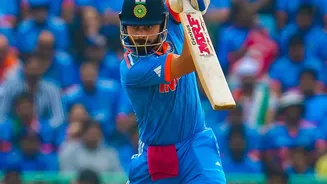
Why would players even consider such risks? The answer lies in the intense pressure of modern professional cricket. The fitness transformation of icons like Virat Kohli has set an incredibly high benchmark for athleticism. Players are constantly scrutinised for their physique, with fitness tests like the 'yo-yo test' determining selection. This intense focus on being lean and agile creates an environment where some may feel compelled to find faster ways to meet expectations. The pressure to maintain a certain look, driven by both performance demands and commercial appeal, appears to be a significant factor behind this reported trend.