








What Exactly Is Intermittent Fasting?
At its core, intermittent fasting (IF) isn't a diet but an eating pattern that cycles between periods of eating and voluntary fasting. Instead of focusing on which foods to cut out, it dictates a schedule for when to eat. The most common methods include
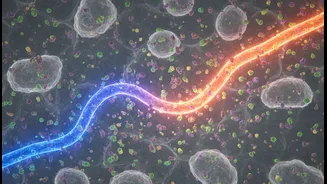
the 16/8 plan, where you fast for 16 hours and eat all your meals within an 8-hour window, and the 5:2 approach, where you eat normally for five days a week and restrict calories to about 500-600 on two non-consecutive days. The underlying idea is that after about 12 hours without food, the body exhausts its readily available sugar stores and begins to burn stored fat for energy in a process called metabolic switching.
The Proposed Benefits Beyond Weight Loss
Much of the buzz around IF comes from its potential health benefits that go beyond the bathroom scale. Proponents point to research suggesting it can improve metabolic health by lowering insulin resistance, which may reduce the risk for type 2 diabetes. Other studies have linked fasting to better heart health markers, such as lower blood pressure and reduced LDL (“bad”) cholesterol. Some animal and cellular studies even suggest that fasting triggers a cellular clean-up process called autophagy, which may help protect against certain diseases and support longevity, though more research in humans is needed to confirm these effects.
The Real Showdown: Fasting vs. Calorie Counting
Here is the critical question for anyone considering a new eating plan: Is intermittent fasting more effective for weight loss than a traditional diet? The scientific consensus so far is that it is not inherently superior. Multiple studies comparing IF to continuous calorie restriction (the classic approach of eating fewer calories every day) have found that both methods result in similar amounts of weight loss when the total calorie deficit is the same. A 2023 study found that people who fasted lost slightly less weight on average than those on traditional diets, though the difference was not considered significant. The key takeaway is that creating an energy deficit is what drives weight loss, and both IF and calorie counting are different paths to that same destination.
So, What Is the 'Magic' of Fasting?
If IF doesn't offer a magical metabolic advantage for weight loss, why do so many people find it effective? The answer seems to lie in psychology and practicality. For many, following a simple time-based rule—like “stop eating at 7 p.m.”—is easier than meticulously counting calories for every meal and snack. A recent study from the University of Adelaide found that while both fasting and calorie-counting groups lost similar amounts of weight, the fasters reported feeling less of a need to constantly monitor their food intake. This suggests IF's main strength is as a behavioral tool; it provides a straightforward structure that can help people naturally reduce their overall calorie consumption without the constant mental load of a traditional diet.
Who Should Approach Fasting with Caution?
Despite its popularity, intermittent fasting isn't for everyone. Experts advise certain groups to avoid it, including children and teens under 18, women who are pregnant or breastfeeding, and individuals who are underweight. People with a history of eating disorders are also cautioned against fasting, as the restrictive schedule can trigger or worsen unhealthy behaviors. Furthermore, those with certain medical conditions, like type 1 diabetes, or who are taking medications that require regular food intake should consult with their doctor before attempting any form of fasting, as it can pose risks like dangerously low blood sugar.