



The Anatomy of a Monsoon Mudslide
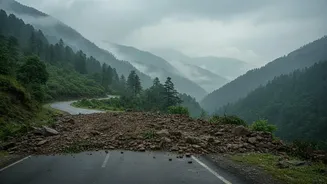
A mudslide, or debris flow, is a fast-moving torrent of mud, rocks, and water. During the monsoon, this danger is amplified. Intense and prolonged rainfall saturates the soil on hillsides, drastically increasing its weight and reducing its stability.
When the soil can no longer hold any more water, it essentially liquefies, and gravity takes over. This is especially true in regions where hills have been cut for roads or construction, creating unnaturally steep and unstable slopes. These slides can move faster than a person can run, carrying with them enough force to sweep away vehicles, demolish homes, and block entire highways for days. This year alone, heavy monsoon rains have triggered fatal landslides across the country, from Mumbai to the Himalayas.
How Advisories Are Created: The Science of Safety
Travel advisories are not arbitrary warnings. They are the result of sophisticated monitoring and data analysis by agencies like the India Meteorological Department (IMD) and the Geological Survey of India (GSI). These bodies use a combination of weather forecasts, real-time rainfall data from doppler radars, and historical landslide information to predict which areas are at high risk. The GSI, for example, has been developing a landslide early warning system based on rainfall thresholds, with experimental bulletins already being issued for several landslide-prone districts. These advisories are then disseminated through multiple channels, including the NDMA, official apps, websites, and mass media, to provide actionable information that can save lives.
The Danger of 'Local Knowledge' and Shortcuts
A common temptation for stranded travellers is to seek out an alternative route, often a smaller, local road suggested by residents or navigation apps. This is one of the most dangerous decisions you can make. While major highways are monitored, these backroads are often unpaved, poorly maintained, and situated on even more fragile terrain. Rescue operations are severely hampered on such narrow lanes, as heavy machinery cannot pass. Advisories from authorities like the National Disaster Management Authority (NDMA) frequently urge travellers to avoid non-essential travel altogether and stick to verified routes precisely because these smaller roads are the first to be cut off and the last to be cleared, turning a detour into a multi-day trap.
Real-World Consequences of Ignoring Warnings
The consequences of underestimating a monsoon advisory can be devastating. Recent events serve as a grim reminder. In August 2026, landslides triggered by heavy rains in Mumbai claimed lives and crushed homes. Across the Himalayas, hundreds of roads, including national highways, have been blocked, leaving tourists and residents stranded for days without access to supplies or medical aid. In many cases, these incidents occurred in areas where heavy rainfall alerts had already been issued. Unchecked development and construction in ecologically sensitive zones have made these areas even more vulnerable, meaning that even rainfall that might have been manageable in the past can now trigger a disaster. Ignoring a warning is a bet against not only nature but also against years of scientific data and bitter experience.
Your Monsoon Safety Checklist
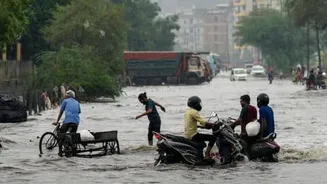
Before you even think about starting your engine for a monsoon trip, especially to hilly areas, follow this checklist: 1. Check Official Sources: Always consult the latest bulletins from the IMD (mausam.imd.gov.in), NDMA, and local state disaster management authorities. Do not rely solely on commercial weather apps. 2. Postpone if Advised: If an advisory recommends against travel to a certain region, postpone your trip. No destination is worth risking your life. Authorities may even impose restrictions like Section 144 to limit movement for public safety. 3. Pack an Emergency Kit: Your vehicle should contain extra food, water, a first-aid kit, a powerful torch, a power bank, and warm clothing. You may be stranded for longer than you expect. 4. Inform Someone: Share your travel itinerary, including your route and estimated time of arrival, with family or friends. 5. Never Cross a Landslide or Flood: Do not attempt to drive through a flooded road or an area where a landslide has occurred. The ground may be unstable, and water can hide deep pitfalls.