






How The Oil Is Made Matters
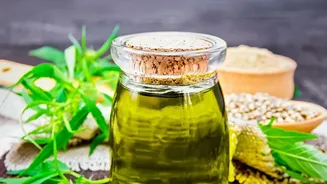
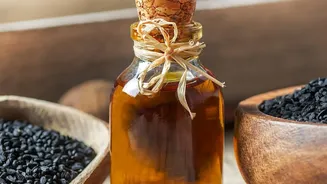
The fundamental difference between cold-pressed and refined oils lies in their extraction process. Cold-pressed oils, often known as 'Kachi Ghani' or 'Chekku', are made using a traditional method where seeds or nuts are crushed at low temperatures without
chemicals. This gentle, mechanical process preserves the natural nutrients, flavour, and aroma of the oil. In stark contrast, refined oils are produced on an industrial scale. The process involves extracting oil from seeds using high heat and chemical solvents like hexane. This crude oil is then subjected to several stages of processing, including degumming, bleaching, and deodorizing to create a neutral, clear, and odourless final product with a longer shelf life.
The Nutritional Showdown
The intense processing of refined oils strips them of many beneficial compounds. Cold-pressed oils retain a wealth of natural antioxidants, Vitamin E, and essential fatty acids like Omega-3 and Omega-6. These nutrients are crucial for fighting inflammation, supporting immunity, and promoting overall wellness. Refined oils, on the other hand, lose a significant portion of these nutrients during the high-heat and chemical treatment. Worse, the high-heat process can create harmful trans fats, which are known to raise bad LDL cholesterol and lower good HDL cholesterol, increasing the risk of heart disease.
The Smoke Point Debate in Indian Kitchens
Refined oils are often marketed for their high smoke point, the temperature at which an oil begins to burn and break down. Refined oils can typically withstand temperatures above 230°C, while cold-pressed oils have lower smoke points, generally between 160°C and 190°C. This might seem like a clear win for refined oils, especially for frying. However, most daily Indian cooking—like preparing a tadka, sautéing vegetables, or making a curry—doesn't reach such extreme temperatures. For these common methods, the moderate smoke point of cold-pressed oils like mustard or groundnut is perfectly adequate and much healthier.
What It Means for Your Heart
For heart health, the evidence points favorably towards cold-pressed oils. Their rich content of monounsaturated and polyunsaturated fats (MUFA and PUFA) helps in managing cholesterol levels. The antioxidants present combat oxidative stress and inflammation, which are root causes of many chronic diseases, including heart conditions. Specifically, cold-pressed mustard oil is noted for its ideal ratio of Omega-6 to Omega-3 fatty acids, which studies suggest can reduce the risk of coronary heart disease. Conversely, regular consumption of refined oils has been linked to an increased risk of cardiovascular issues, partly due to the presence of trans fats and the lack of protective nutrients.
Making the Right Choice for Your Cooking
The solution isn't to completely ban one type of oil. Instead, it's about using the right oil for the right purpose. For everyday cooking, sautéing, and dressings, nutrient-dense cold-pressed oils like mustard, groundnut, sesame, or coconut are the superior choice. Their robust flavours can also enhance the taste of your food. Keep refined oils for occasional high-heat deep-frying, if necessary. A balanced approach involves using a variety of cold-pressed oils to get a wider range of fatty acids and nutrients. Many Indian households are rediscovering the wisdom of their ancestors by returning to these traditional, healthier fats for their daily meals.