








A Tradition Steeped in Comfort
For countless Indians, the sound of spices being pounded for Kadha is a core monsoon memory. It’s a ritual passed down through generations, a fragrant symbol of care. The moment someone coughs or sneezes, a mother or grandmother is often already in the kitchen,
boiling a potent mix of herbs and spices. This isn't just about medicine; it's an act of love. The warmth of the drink is comforting, but the warmth of the gesture is what truly soothes. It represents a household’s first line of defence against seasonal sniffles, a familiar and trusted remedy that connects us to our roots and the wisdom of our elders. This cultural conditioning is powerful; for many, the very aroma of brewing Kadha brings a psychological sense of relief and well-being.
Ayurveda’s Monsoon Protocol
The practice isn't just based on nostalgia; it's deeply rooted in Ayurvedic principles. In Ayurveda, the monsoon season, or 'Varsha Ritu', is a period when the digestive fire ('Agni') is weak and the 'Vata' dosha (the energy associated with air and space) is aggravated. This imbalance is believed to make the body more susceptible to infections, colds, coughs, and digestive issues. Kadha, a type of 'kashayam' (herbal decoction), is specifically designed to counteract these effects. The ingredients are chosen for their 'ushna' (hot) properties, which help to stoke the digestive fire, pacify the Vata dosha, and bolster the body's natural immunity. It’s a seasonal prescription that has been followed for centuries to help the body adapt to the damp and cool environment of the rains.
The Power-Packed Potion: What’s Inside?
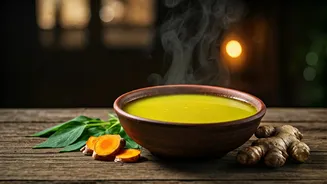
While recipes vary from family to family, a classic Kadha typically features a star cast of powerful kitchen spices. Tulsi (holy basil) is revered for its antibacterial and antiviral properties. Adrak (ginger) is a potent anti-inflammatory that soothes a sore throat and aids digestion. Kali Mirch (black pepper) helps clear congestion and improves the bioavailability of other ingredients. Laung (cloves) act as a natural antiseptic and expectorant, helping to loosen phlegm. Dalchini (cinnamon) is rich in antioxidants and provides a warming effect. Often, honey is added not just for taste but also for its throat-coating and antibacterial qualities. Each ingredient plays a specific role, working in synergy to create a holistic concoction that tackles the common symptoms of monsoon-related illnesses from multiple angles.
When Ancient Wisdom Meets Modern Science
What makes Kadha so enduring is that modern science is increasingly validating what Ayurvedic practitioners have known for centuries. Research confirms that ginger contains gingerol, a compound with powerful anti-inflammatory and antioxidant effects. The curcumin in turmeric (another common Kadha ingredient) is celebrated for its similar properties. The eugenol in cloves has been studied for its antimicrobial and pain-relieving abilities. Tulsi is recognised as an adaptogen, a substance that helps the body cope with stress and boosts immune function. So, when you sip on a hot cup of Kadha, you aren't just partaking in an old tradition; you're consuming a blend of compounds that have been scientifically shown to support your immune system, fight inflammation, and combat microbes. It's a perfect example of traditional wisdom standing the test of time and scientific scrutiny.