





The Annual Gauntlet Begins
As October gives way to November, the air quality index (AQI) in Delhi and its surrounding National Capital Region (NCR) inevitably plunges into the 'Very Poor' and 'Severe' categories. This predictable crisis triggers the Graded Response Action Plan
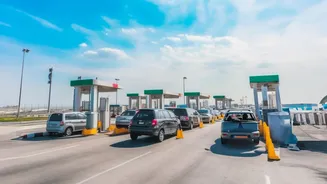
(GRAP), a set of emergency measures designed to curb pollution. For interstate drivers, this means navigating a complex and strictly enforced gauntlet at the city’s borders. Transport department officials and police teams are deployed to act as gatekeepers, tasked with a singular mission: keeping polluting vehicles out of the city's choked lungs.
Decoding This Year's Restrictions
The core of the enforcement revolves around vehicle emission standards. Under the current stage of GRAP, a blanket ban is in effect on the entry and operation of BS-III petrol and BS-IV diesel light motor vehicles within Delhi and the key NCR districts of Gurugram, Faridabad, Ghaziabad, and Gautam Budh Nagar. This rule, while clear on paper, creates significant confusion on the ground. Many drivers, particularly those from other states, are often unaware of the specific classifications of their vehicles or the sudden implementation of the ban. While vehicles carrying essential commodities are exempt, the definition of 'essential' can be subject to interpretation by enforcement officials, leading to arguments and further delays.
A View from the Driver's Seat
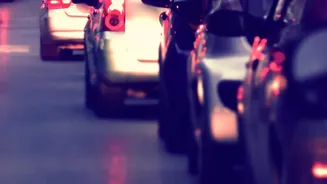
For the men and women behind the wheel, the policy translates into hours of anxious waiting and potential financial loss. The experience begins miles from the actual border, in queues that stretch back for kilometres. Drivers idle their engines, burning precious fuel, as they inch forward. At the checkpoint, they face a barrage of scrutiny. Papers are checked, pollution certificates are examined, and the vehicle’s registration details are scrutinised to determine its compliance. A driver of a non-compliant truck carrying non-essential goods faces a stark choice: attempt to wait out the ban, which could last days or weeks, or turn back, incurring a significant loss on the journey. The penalty for being caught operating a banned vehicle within the city is a hefty fine, often around ₹20,000, a sum that can wipe out the profits of several trips.
The Rationale Behind the Chaos
While the border checks feel punitive to those caught in them, they are a response to a dire public health emergency. Vehicular emissions are one of the largest contributors to Delhi's toxic air, responsible for a significant percentage of the deadly PM2.5 particulate matter that lodges deep in the lungs. Banning older, more polluting vehicles is seen by the Commission for Air Quality Management (CAQM) as a necessary, if blunt, instrument to provide immediate, albeit temporary, relief. When the air becomes a public health hazard, restricting a key source of pollution is one of the few levers authorities can pull for a rapid impact. The goal is to prevent the AQI from remaining in the 'Severe+' zone for an extended period, which has been likened to smoking dozens of cigarettes a day for every resident.
The Broader Ripple Effect
The consequences of these border restrictions extend far beyond the individual driver. They create significant disruptions in the supply chain. Transporters who have invested in fleets of what were, until recently, perfectly legal vehicles, find their assets rendered useless overnight. The delays in the movement of goods—from electronics to textiles to industrial components—impact businesses across the region. For consumers, this can mean a temporary spike in the prices of certain commodities as supply chains scramble to adapt. The enforcements highlight a larger challenge: the economic friction created by essential environmental regulations.