



An Open-Air Art Gallery
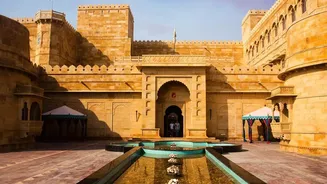
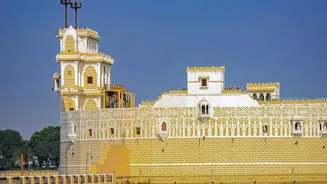
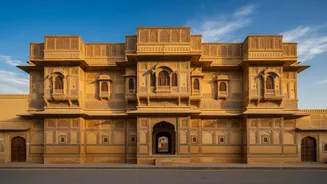
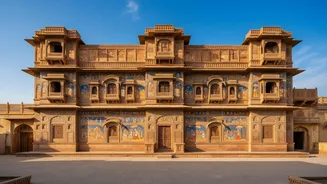
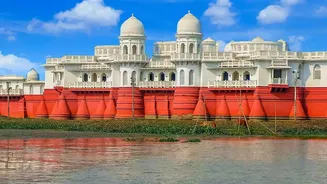
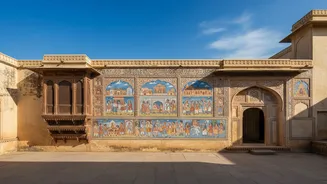
Often called the world's largest open-air art gallery, the Shekhawati region is a treasure trove of architectural and artistic history. During the 18th and 19th centuries, wealthy Marwari merchants, who prospered on ancient trade routes, commissioned
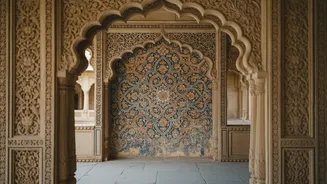
extravagant mansions known as havelis. To display their status, they had nearly every surface, both inside and out, covered in intricate frescoes. These murals are a remarkable chronicle of their time, depicting everything from mythological tales of Krishna to the arrival of the British, complete with paintings of steam trains, gramophones, and European fashion. This unique blend of Rajput, Mughal, and colonial influences makes the art of Shekhawati a fascinating visual history of a transforming India.
A Masterpiece Under Threat
The very prosperity that created these painted havelis also led to their decline. As trade routes shifted to port cities like Mumbai and Kolkata, the merchant families migrated, leaving their ancestral homes behind. For generations, many of these grand structures have been abandoned or left in the care of relatives with limited means for upkeep. The result is a slow decay. The region's harsh climate, with its extreme heat and recent shifts in humidity, causes the delicate lime plaster to crack and flake. Many murals have been whitewashed, while others have been lost as buildings are demolished for new construction. With thousands of havelis in varying states of disrepair, a significant piece of India's cultural heritage is at risk of vanishing.
From Ancestral Burden to Cultural Haven
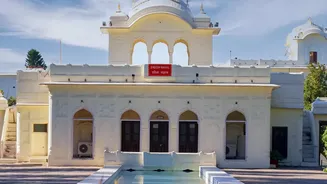
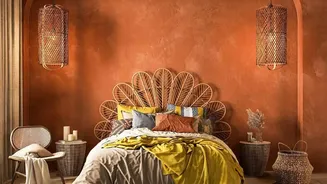
In the face of this crisis, a new conservation model has emerged: the heritage homestay. Some families who still own these properties have begun to see their ancestral homes not as a financial burden, but as a cultural asset worth preserving. By converting parts of their havelis into guesthouses, they generate the income needed for the costly and specialised work of restoration. This adaptive reuse has become a powerful driver for conservation. It creates a viable economic reason to repair crumbling walls, re-plaster surfaces using traditional techniques, and painstakingly conserve the vibrant frescoes that make these buildings so special. Each restored room and repaired mural is a direct result of this innovative approach to preservation.
The Rise of the Cultural Tourist
The success of these homestays is powered by a new kind of traveller: the cultural tourist. These visitors are not just looking for a luxury holiday; they seek authentic experiences and a deeper connection to the places they visit. They are drawn to Shekhawati's promise of stepping back in time, staying within the frescoed walls, and hearing stories from the families who have lived there for generations. This type of tourism creates a symbiotic relationship. Tourists get an immersive cultural experience, and their spending directly funds the preservation of the art they came to see. This model stimulates the local economy by supporting not just the homestay owners but also local artisans, guides, and craftspeople, ensuring the entire community benefits.
Why Off-Peak is the New Peak
Crucially, this model thrives outside the conventional tourist season. While Rajasthan's peak season is during the cool winter months from October to March, the summer brings scorching heat that deters most travellers. However, for heritage homestays, the quieter off-peak months are a blessing. Travellers dedicated to art and history are often willing to brave the heat for a less crowded, more intimate experience. This provides a steady, year-round income stream that is vital for ongoing restoration projects, which cannot rely solely on a few busy months. It allows for continuous employment and planned conservation work, turning the challenge of seasonality into a sustainable advantage and proving that a deep appreciation for culture is not confined to a specific time of year.