







The Undeniable Sleep-Movement Connection
The relationship between how much we move and how well we sleep is what scientists call bidirectional: getting enough quality sleep can promote physical activity, while regular exercise is proven to help alleviate sleep problems. Research shows that people
who exercise regularly often report better sleep quality. This powerful link comes down to a few key biological processes. Physical activity helps regulate the body's internal clock, or circadian rhythm, which governs our sleep-wake cycles. It also helps reduce stress and anxiety, two major culprits behind a restless night. By decreasing levels of the stress hormone cortisol and boosting mood-enhancing endorphins, exercise creates a calmer state of mind that is more conducive to falling and staying asleep.
How Your Body Responds to Exercise
When you engage in physical activity, your core body temperature rises. The subsequent cool-down period that follows a workout actually mimics a natural drop in body temperature that occurs before you fall asleep, signaling to your brain that it's time to rest. Furthermore, exercise increases what is known as our homeostatic sleep drive—essentially, it helps your body build up a stronger 'need' for sleep, making it easier to fall asleep when your head hits the pillow. Studies show that regular movement can increase the amount of slow-wave, or 'deep,' sleep you get. This is the most restorative stage, crucial for physical recovery, memory consolidation, and a strong immune system.
Not All Movement Is Created Equal
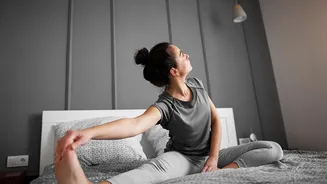
While most forms of movement are beneficial, different types of exercise can have unique effects. Aerobic exercises like brisk walking, jogging, cycling, and swimming are consistently linked to improved sleep quality, especially for those with insomnia. One review of studies found that gentle, mindful movements like yoga and tai chi were particularly effective, with yoga adding nearly two hours of total sleep time for people with insomnia. Strength training, or resistance exercise, has also been highlighted as highly effective, with some research suggesting it may be one of the most powerful ways to enhance sleep quality, particularly in older adults. Ultimately, the best exercise is one you enjoy and can stick with consistently.
Finding the Right Time to Move
Conventional wisdom once warned against evening workouts, but the science is more nuanced. For many, moderate exercise in the evening doesn't interfere with sleep and may even be beneficial. The key factors are intensity and timing. High-intensity or very long workouts performed within four hours of bedtime can delay sleep onset and reduce sleep quality for some. This is because intense activity can keep your heart rate elevated and your body in a state of alertness. As a general guideline, finishing your workout at least 90 minutes before bed allows your body temperature and heart rate to return to normal. Morning or afternoon exercise, however, is often seen as ideal because it can help reinforce your natural circadian rhythm.
Beyond the Gym: The Power of Daily Activity
You don't need to run a marathon to sleep better. Research increasingly shows the importance of Non-Exercise Activity Thermogenesis, or NEAT. This refers to the energy you burn through everyday activities that aren't formal exercise, such as walking to the store, doing chores, fidgeting, or taking the stairs. These small bouts of movement throughout the day add up, helping to combat a sedentary lifestyle and improve overall health, which includes sleep quality. Studies have found that even 10 minutes of moderate activity per day can make a difference in sleep quality. The goal is to simply sit less and move more, integrating activity into your daily life wherever you can.