





Start with the Right Champions
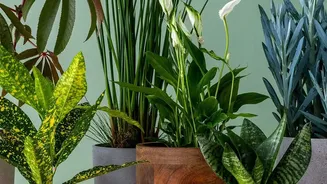
Not all plants are created equal when it comes to air purification. For a Delhi-NCR apartment, you need hardy plants that tolerate lower light and purify effectively. The Snake Plant is a superstar, famous for filtering toxins like formaldehyde and benzene
and, uniquely, releasing oxygen at night, making it perfect for bedrooms. The Areca Palm is another top performer, acting as a natural humidifier for dry winter air while tackling common pollutants. Finally, the ubiquitous Money Plant (Pothos) is a powerhouse, easy to grow and highly effective at removing formaldehyde from the air, a chemical often found in furniture and paints.
Master Strategic Placement
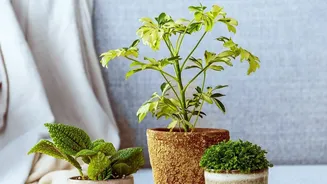
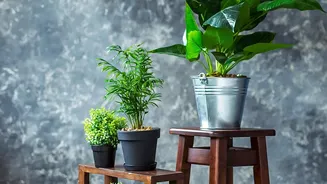
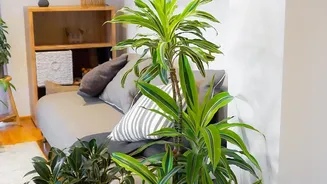
Where you put your plants matters. Grouping several plants together creates a small pocket of higher humidity, which helps them thrive in dry winter conditions and can also help reduce airborne dust. For maximum benefit, place plants in the rooms where you spend the most time, like the bedroom and living room. A study from NASA suggests having at least one plant per 100 square feet of space. Place oxygen-releasing plants like the Snake Plant and Aloe Vera by your bedside for fresher air while you sleep. For plants that tackle toxins from furniture, like the Rubber Plant, place them near new sofas or shelves.
The Dusting Hack
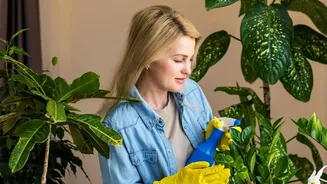
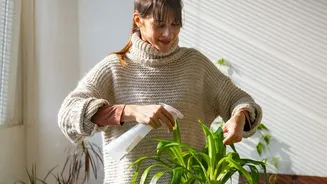
This is the simplest yet most overlooked hack. A layer of dust on a plant's leaves can block its pores (stomata), drastically reducing its ability to photosynthesise and purify the air. During Delhi's dusty winters, this happens quickly. Make it a weekly ritual to gently wipe the leaves of your plants with a damp cloth. This not only keeps them looking vibrant and glossy but also ensures they are working at peak efficiency to filter your indoor air. Think of it as cleaning the filter on your natural air purifier.
Rethink Your Watering Schedule
The biggest mistake plant owners make in winter is overwatering. With shorter days and less light, most plants slow their growth and require significantly less water. For most common indoor plants like the Snake Plant, Peace Lily, and Money Plant, it's best to let the top inch or two of soil dry out completely before watering again. Constantly wet soil in winter is a recipe for root rot, which will kill the plant faster than anything else. Always check the soil moisture with your finger before reaching for the watering can. It's better to underwater slightly than to overwater during the cold months.
Choose a Diverse Team
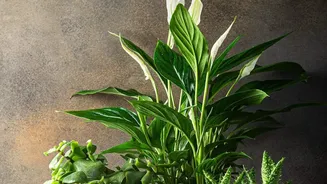
Different plants are skilled at removing different types of pollutants. While the Snake Plant is great for benzene, the Peace Lily is excellent at filtering ammonia, often found in cleaning products. The Spider Plant is particularly effective against carbon monoxide and xylene. By creating a mixed team of plants throughout your home, you build a more comprehensive defence against a wider range of common indoor volatile organic compounds (VOCs). A Peace Lily in the bathroom can also help absorb excess humidity and mould spores.
Understand the Limitations
It is crucial to have realistic expectations. The famous 1989 NASA Clean Air Study, which established the purifying power of plants, was conducted in a sealed chamber. In a real-world apartment with drafts and constant air exchange, you would need hundreds of plants to match the cleaning rate of a good mechanical air purifier. Plants are highly effective at removing certain gaseous pollutants (VOCs) like formaldehyde and benzene, but they are not a significant solution for removing fine particulate matter like PM2.5, which is a major component of Delhi's winter smog. Consider plants a vital, natural supplement to your air quality strategy, not a replacement for an air purifier during peak pollution.