


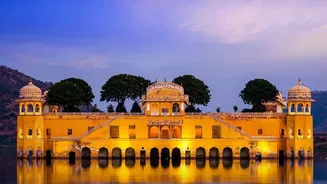
The Green Rush Is Real
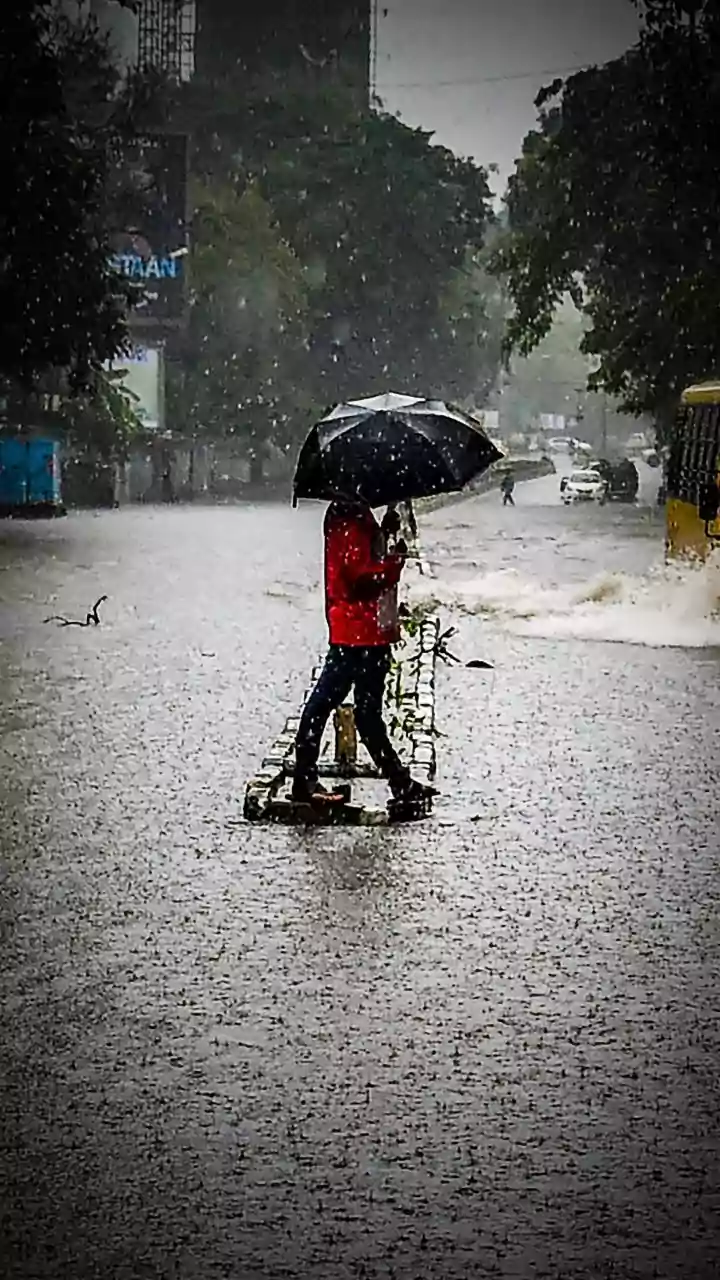
This monsoon season, Rajasthan is experiencing a notable increase in tourism, a trend that is reshaping its travel calendar. For generations, the peak season has been winter, when cooler temperatures make the desert climate more manageable. But now, travellers
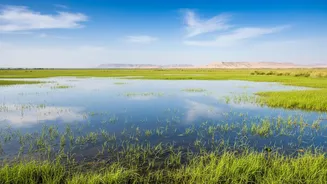
are actively seeking out the state during the rains. Travel experts confirm a clear shift, with tourists planning trips specifically to experience the monsoon's transformative effect. This 'green tourism' focuses on nature in its purest form, from overflowing lakes to verdant hills. The growing popularity of these rainy-season getaways has provided a significant boost to the hospitality industry, especially in emerging destinations that are typically quieter. This isn't just a handful of travellers; it's a tangible movement supported by improved connectivity from new highways and better flight access, making quick monsoon escapes easier than ever.
Udaipur: The Reigning Monsoon Capital
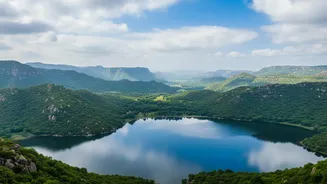
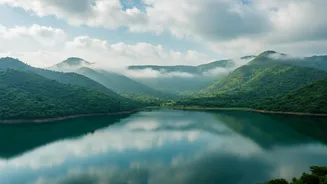
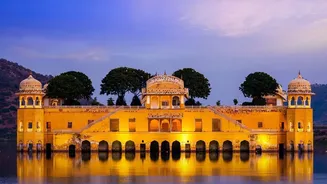
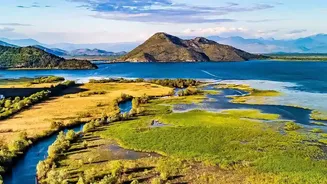
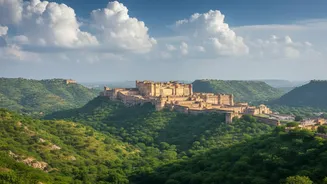
At the heart of this trend is Udaipur, the 'City of Lakes'. While always a popular destination, its allure multiplies during the monsoon. The city’s famous lakes, Pichola and Fateh Sagar, fill to the brim, enclosed by the lush green Aravalli Hills. This creates a romantic, picturesque setting that feels a world away from the arid landscapes often associated with the state. The Sajjangarh Fort, aptly nicknamed the Monsoon Palace, becomes a prime vantage point, offering spectacular views of clouds rolling through the valleys below—the very reason it was built. The combination of brimming water bodies, cooler temperatures, and dramatic skies makes Udaipur the epicentre of Rajasthan’s monsoon revival.
Discovering the Hidden Aravallis
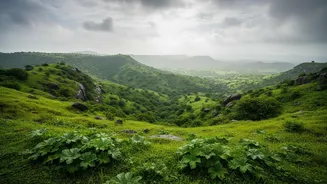
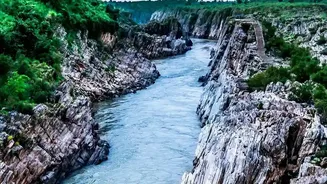
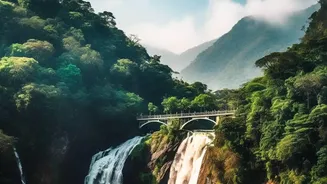
Beyond Udaipur, the current travel surge is shining a light on lesser-known gems nestled in the Aravalli range. Destinations like Bundi, Kumbhalgarh, and Mount Abu are emerging as monsoon hotspots. Bundi, the 'City of Stepwells', becomes particularly magical as its ancient baoris, lakes, and nearby waterfalls come to life. The mist-shrouded Kumbhalgarh Fort, with its massive wall winding through newly green forests, offers a completely different experience from its sun-drenched winter self. Mount Abu, Rajasthan's only hill station, provides a cool, refreshing retreat with misty viewpoints and vibrant flora. These areas, which receive the bulk of the state's rainfall, showcase a side of Rajasthan that most travellers never see, one defined by forests, waterfalls, and mist, not just sand.
Why This Shift Matters
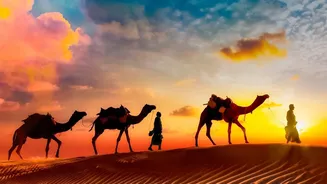
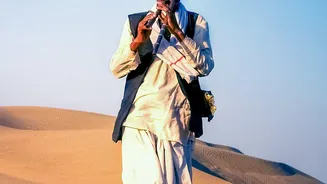
This monsoon trend is more than just a passing phase; it represents a crucial evolution in Rajasthan's tourism identity. For decades, the state has been marketed primarily on its desert heritage, concentrating tourism in a few well-known cities and during a single season. The embrace of monsoon travel helps diversify this appeal, spreading economic benefits to more regions and creating a more sustainable, year-round industry. It encourages the preservation of natural landscapes that are now becoming attractions in their own right. By showcasing its green credentials, Rajasthan can attract a wider range of travellers, from nature lovers and photographers to those simply seeking a peaceful, off-season escape. This shift proves that the state's identity is not monolithic but a dynamic blend of the arid and the lush, the historical and the natural.