

The All-Rounder in the Kitchen
Dahi is far more than just a simple accompaniment. In cooking, it's a culinary powerhouse. Its natural acidity and creaminess make it an incredible ingredient for creating gravies that are both tangy and rich. This tartness balances the bold spices typical
of Indian food, creating a harmonious and complex flavour profile. When used in gravies, curd acts as a natural thickening agent, lending a smooth, luscious consistency to dishes without the heaviness of cream or nuts. Its probiotic nature is an added bonus, making these dishes not just delicious but also beneficial for gut health. The key to cooking with dahi is temperature control; adding it to a hot pan too quickly can cause it to curdle, so it's often whisked with a little gram flour (besan) or added slowly on low heat to stabilize it.
Kadhi: The Ultimate Comfort Curry
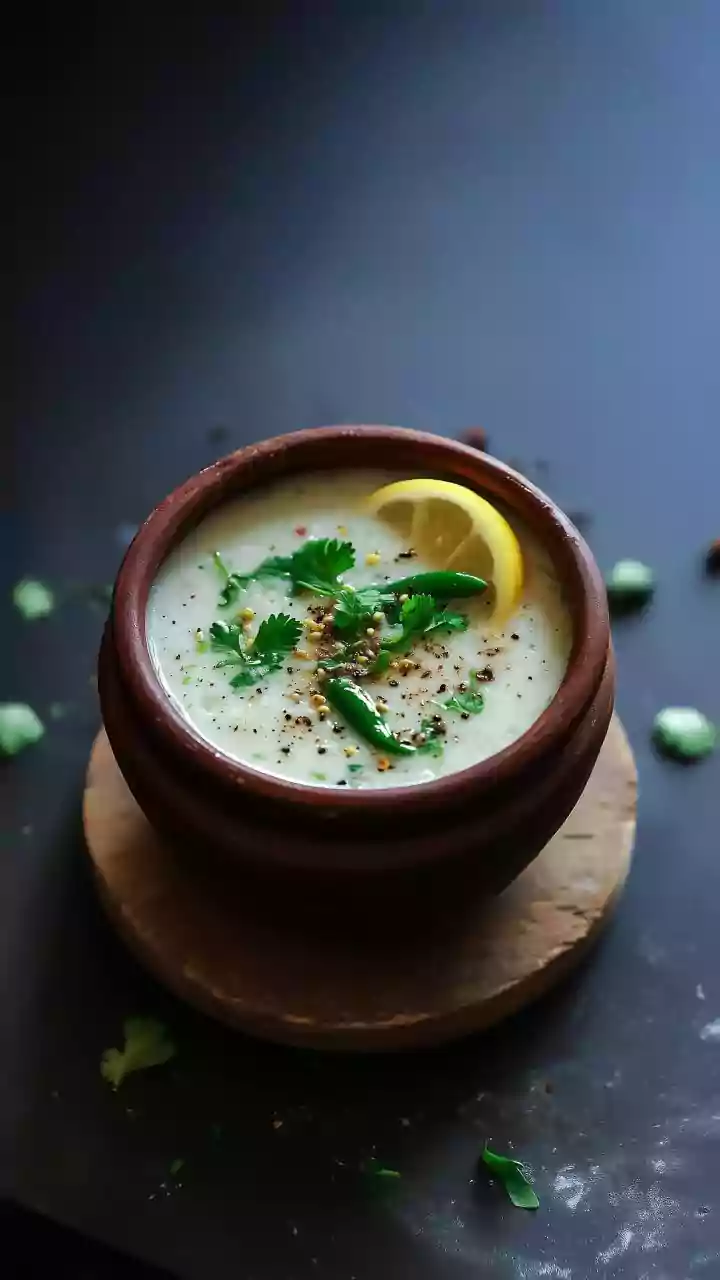
Perhaps the most famous dahi-based preparation is Kadhi, a soulful curry made from a base of curd and gram flour. The beauty of Kadhi lies in its vast regional diversity. Punjabi Kadhi is thick and rich, often featuring crunchy fried vegetable or gram flour fritters called pakoras dunked into the tangy gravy. In contrast, Gujarati Kadhi is thinner, lighter, and has a distinctive sweet and sour taste, often subtly flavoured with ginger and curry leaves. Rajasthani Kadhi is known for being spicier, reflecting the region's love for robust flavours. While most versions are vegetarian, what unites them is the slow-simmering process, which allows the flavours to deepen, and the dahi to work its magic, creating a dish that is the very definition of comfort food, especially when poured over a mound of steamed rice.
Hearty Sabzis with a Dahi Gravy
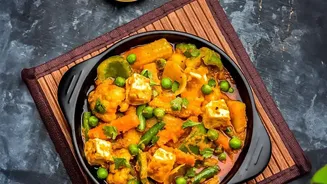
Beyond Kadhi, dahi is the star of many vegetable curries (sabzis), where it forms the entire body of the gravy. Dahi Aloo, a popular North Indian dish, features boiled or fried potatoes simmered in a flavourful yogurt-based sauce. The curd is typically mixed with spices like turmeric, coriander, and chilli powder before being cooked with onions and tomatoes to create a creamy, tangy curry that coats the potatoes perfectly. Another classic is Dahi Bhindi, where okra is fried and then enveloped in a similar spiced yogurt gravy. A Bengali specialty, Doi Begun, showcases pan-fried eggplant slices served in a seasoned, often uncooked, yogurt sauce, creating a wonderful contrast of textures and temperatures. These dishes highlight how dahi can create a satisfying main course with just a few simple vegetables.
Cooling Accompaniments: Raita and Pachadi
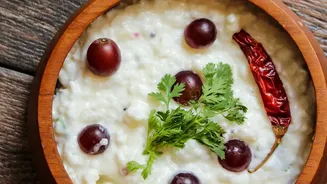
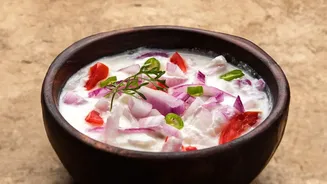
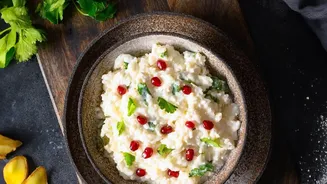
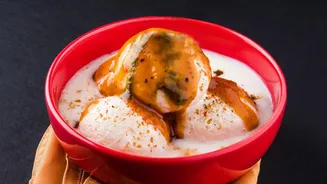
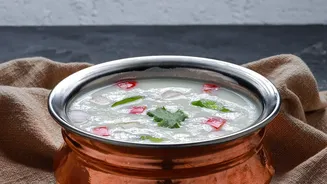
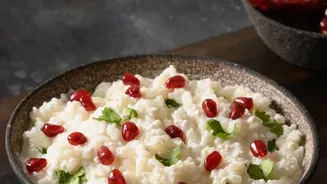
The cooling properties of dahi are best celebrated in raitas and pachadis, essential side dishes across India. Raita, common in the North, involves mixing whisked curd with raw or lightly cooked vegetables like cucumber, onion, and tomato, along with mild spices. It’s the perfect foil to spicy main courses, providing a refreshing balance. In South India, you'll find Pachadi, which is a similar concept but with regional variations. A Kerala-style pachadi, for instance, might involve cooking a vegetable like beetroot or cucumber and mixing it with a ground paste of coconut, green chillies, and ginger before folding it into the curd. These preparations are quick, require minimal cooking, and are a fantastic way to incorporate more vegetables and probiotics into a meal.