





Understanding Late Monsoon Risks
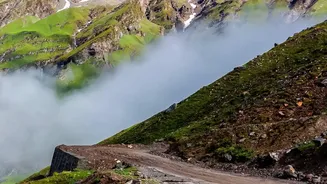
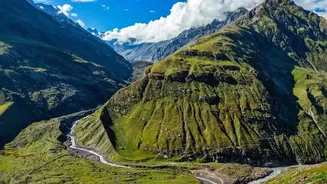
The Manali-Leh highway is a different beast in the late monsoon season, typically from late August through September. While the peak monsoon rains have subsided, the after-effects linger. Water crossings, or 'nallahs', fed by melting glaciers, can swell
to dangerous levels, especially in the afternoon. The freeze-thaw cycle at high altitudes can loosen rocks, increasing the risk of landslides and shooting stones. Furthermore, morning and evening temperatures on passes like Baralacha La and Tanglang La can drop below freezing, creating treacherous patches of black ice on the tarmac. This period demands heightened vigilance and a vehicle that is mechanically sound to handle unpredictable conditions.
The Pre-Trip Service Is Non-Negotiable
Your journey to vehicle readiness begins with a comprehensive service at least a week before you leave. Do not leave this for the last minute. Instruct your mechanic that you are preparing for a high-altitude trip to Ladakh. Key focus areas must include the brakes, engine, and suspension. Have the brake pads and discs inspected for wear, and ensure the brake fluid is fresh to prevent 'brake fade' on long descents. The engine oil should be appropriate for cold starts. A thorough suspension check is vital; broken or weak suspension is a common issue on this punishing terrain. Finally, have the entire electrical system checked, from the battery terminals to every single light bulb.
Tyres: Your Most Critical Asset
Your tyres are the only part of your vehicle in contact with the road, making them the single most important component for safety. Ensure you have tyres with a deep tread, preferably All-Terrain (A/T) tyres, which offer a good balance for tarmac and rough patches. Before the trip, get your wheels aligned, balanced, and rotated. Check the tyre pressure, including the spare, and adjust it based on your vehicle's load. A functional spare is not a luxury here; it is an absolute necessity. Also, you must carry a reliable tyre inflator and a puncture repair kit, and know how to use them. Getting a flat tyre in a remote section is a common problem, and you may not find a repair shop for hours.
Engine Performance at Altitude
High altitude affects not just humans but also engines. The thin air has less oxygen, which can lead to a noticeable loss of power and reduced fuel efficiency. To combat this, ensure your vehicle's air filter is clean or new before you start. A clogged air filter will starve the engine of what little air is available, worsening performance. Some drivers also report issues with fuel freezing in extreme cold. While this is rare in late monsoon, using a fuel additive can be a preventive measure. If you have a diesel vehicle, ensure your glow plugs are working correctly for cold starts. A simple OBD-II scanner can also be a useful tool to diagnose any engine error codes that may pop up during the journey.
The Right Vehicle and the Right Driver
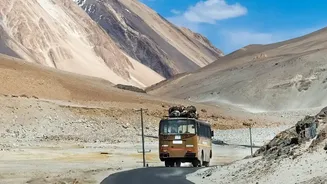
While a 4x4 vehicle offers a distinct advantage, especially in slush and tricky water crossings, many people successfully complete the trip in 2WD SUVs with high ground clearance. More important than the drivetrain is the vehicle's condition and the driver's experience. You must be comfortable driving on narrow mountain roads, using engine braking on descents, and navigating loose surfaces. Do not overload your vehicle, as this affects handling and braking. Regardless of what you drive, a high ground clearance is critical to navigate the rocky riverbeds and broken patches of road. No matter how capable your vehicle is, do not attempt to drive on the highway at night.
Essential Spares and Emergency Kit
Beyond the standard toolkit, a trip on this highway requires a dedicated set of spares and emergency equipment. Your kit should include a sturdy tow rope, jumper cables, extra fuses, a set of basic wrenches and spanners, and M-seal or similar sealant for temporary leak repairs. Also pack extra headlight bulbs, a litre of engine oil, and coolant. For your own safety, a first-aid kit, a powerful flashlight, drinking water, and high-energy snacks are indispensable. Given the lack of mobile networks in many stretches, relying on GPS alone is unwise; carry offline maps or a printed route plan. It's always wise to check the latest road status with local authorities or the Border Roads Organisation (BRO) before departing.