







The Problem: Why Phones Disrupt Sleep
Before turning your phone into an ally, it’s important to understand why it gets such a bad reputation. The two main culprits are blue light and mental stimulation. The bright, blue-spectrum light from screens can suppress your body's production of melatonin,
the hormone that signals it's time to sleep. This tricks your brain into thinking it's still daytime, making it harder to wind down. On top of that, scrolling through social media, checking work emails, or playing games keeps your mind alert and engaged when it should be relaxing. Endless notifications and the temptation of just one more video can easily lead to delayed bedtimes and fragmented rest.
The Fix: Use Your Phone’s Built-In Sleep Tools
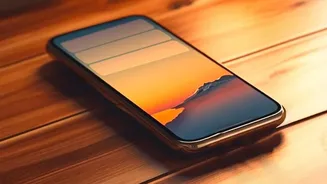
Both Android and iOS have powerful, built-in features designed to protect your sleep. On iPhones, it’s called Sleep Focus, while Android phones have Bedtime Mode. These tools are more than just a simple 'Do Not Disturb' function. You can set a schedule that automatically activates them before bed. When enabled, they silence non-essential notifications, dim your screen, and can even change the display to grayscale to make it less visually stimulating. You can customize these modes to allow calls or messages from specific important contacts, so you don't have to worry about missing a true emergency. The goal is to create a digital environment that encourages you to put the phone down.
Curate a Library of Calming Content
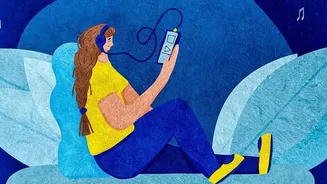
Instead of mindlessly scrolling, you can use your phone to access content that actively promotes relaxation. Think of it as replacing stimulating apps with soothing ones. Guided meditation apps like Calm or Headspace offer bedtime stories and relaxation exercises designed to quiet a busy mind. White noise or nature sound apps can mask disruptive background noises that might otherwise wake you up. If you enjoy reading before bed but find the screen too bright, try listening to an audiobook or a calming podcast. By curating a library of go-to relaxing content, you can make your phone a deliberate part of your wind-down ritual, rather than a source of random stimulation.
Track Your Sleep, But Don’t Obsess
Many smartphones and wearable devices can track your sleep patterns, offering data on duration, quality, and different sleep stages. These trackers can be valuable tools for identifying patterns. For example, you might notice you sleep poorly on nights when you exercise late or have caffeine in the afternoon. This information can empower you to make healthier choices. However, experts caution against becoming overly obsessed with achieving a 'perfect' sleep score, a phenomenon sometimes called 'orthosomnia'. Use the data as a guide to understand your habits, not as another source of stress. Focus on how you feel in the morning rather than just what the numbers say.
Establish Firm Digital Boundaries
Ultimately, technology is only as good as the habits we build around it. The most effective way to use your phone for better sleep is to set clear boundaries. The most common recommendation is to establish a 'digital curfew' by putting your phone away at least an hour before you plan to sleep. This gives your brain time to unwind and produce melatonin naturally. If the temptation to scroll is too strong, physically move your phone out of arm's reach. Consider charging it in another room overnight and using a traditional alarm clock to wake up. This small change prevents you from checking notifications last thing at night and first thing in the morning, creating a healthier separation between your connected life and your restorative rest.