






Forget manicured tourist spots. To truly feel the pulse of rural Chhattisgarh, you must step into the vibrant chaos of a weekly haat, a place where commerce, culture, and community converge under the open sky. It is here that life unfolds.
The Lifeline of the Village
A 'haat' is
a traditional open-air market, held on a specific day of the week in villages across the state. Far more than just a place to shop, these markets are the economic and social epicentre of rural life. For villagers from surrounding settlements, some of whom walk for miles, the haat is their primary connection to the outside world. It's where they sell their agricultural produce, forest gatherings, and handmade goods, and in turn, purchase essentials they cannot produce themselves. These weekly gatherings are deeply embedded in the cultural fabric, serving as a hub for exchanging news, arranging social affairs, and simply staying connected with neighbouring communities.
A Kaleidoscope of Sights and Sounds
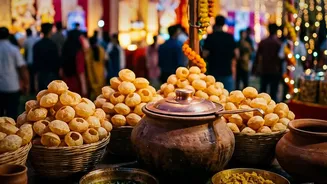
Stepping into a Bastar haat is an immersion of the senses. The air is thick with the earthy aroma of fresh produce, the sharp scent of spices, and the sweet smell of local snacks like jalebi being prepared. Women in colourful saris preside over their stalls, their chatter mixing with the calls of vendors and the spirited haggling of customers. You will see mounds of dried mahua flowers, used to brew a famous local drink, alongside piles of fiery red chillies, tamarind, and seasonal vegetables. The visual feast includes everything from handcrafted bamboo baskets and terracotta pots to gleaming bell metal figurines, known as Dhokra art, for which the Bastar region is famous.
A Taste of the Land
The haat is the ultimate place to sample the authentic flavours of Chhattisgarh. Adventurous foodies might try the 'chapda chutney', a local delicacy made from red ants. A much milder, and universally popular, experience is sipping on 'landa', a fermented rice beer traditionally served in cups made from leaves. Another local brew to look for is 'salfi', a tangy palm beer. Alongside these drinks, you'll find an array of local snacks and sweets. These markets are where the region’s forest and farm economy is most visible, offering produce and products that are intrinsically tied to the land.
Beyond Commerce: A Cultural Spectacle
While trade is the primary function, the haat is also a stage for cultural expression. In some markets, particularly in the Bastar region, you might witness the controversial but culturally significant spectacle of a cockfight, which draws large crowds and involves serious betting. The market is also a place to observe the distinct customs and attire of the various tribal communities, such as the Gond and Muria tribes. The intricate jewellery worn by the women, especially the nose rings on both sides, can often identify their community. It’s a living museum where ancient traditions are not just preserved but actively practiced.
A Traveller's Guide to Haat Etiquette
To make the most of your visit, it’s best to arrive by late morning, as activity builds towards the afternoon and typically winds down by 4 PM. While many vendors are friendly, it's crucial to be a respectful observer. Always ask for permission before taking photographs, especially of people. Engaging with artisans about their craft is encouraged and often appreciated. While some handicrafts are sold, remember that these are primarily local markets, not tourist souvenir shops. Popular and accessible haats in the Bastar region include the Jagdalpur Sunday market, the Bastar village Thursday market, and the Tokapal Monday market, each offering a unique slice of local life.