







The Link Between Speed and Weight
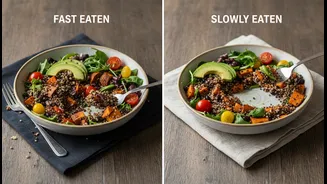
Numerous studies have established a consistent correlation between a faster eating speed and a higher body mass index (BMI) and increased body weight. A review of 23 studies found that fast eaters might be up to twice as likely to be obese compared to their
slower-eating counterparts. Research in both Japan and India has shown that fast eaters tend to have a higher BMI and a larger waist circumference. One five-year study noted that the incidence of metabolic syndrome—a cluster of conditions including high blood pressure, high blood sugar, and excess body fat around the waist—was significantly higher in the fastest eaters (11.6%) compared to the slowest (2.3%). While these observational studies show a strong link, they highlight a correlation, not necessarily a direct cause-and-effect relationship for every individual.
The Hormonal Fullness Signal
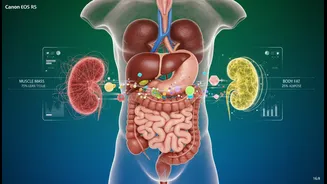
The core of the issue lies in the communication between your gut and your brain. It takes approximately 20 minutes for your stomach to send signals to your brain that it is full. This process isn't instantaneous; it relies on the release of satiety hormones. When food enters your small intestine, hormones like cholecystokinin (CCK) and glucagon-like peptide-1 (GLP-1) are released. These hormones travel through the bloodstream to the brain, creating the sensation of fullness. Another hormone, leptin, which is produced by fat cells, helps regulate appetite over the long term. When you eat too quickly, you can easily consume more food than your body needs before these hormonal signals have a chance to register, leading to overeating.
More Than Just Speed
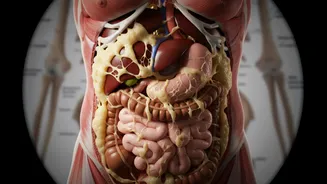
While speed is a key factor, it’s often intertwined with other habits. Fast eating frequently occurs alongside distracted eating, such as watching TV, working at a desk, or scrolling on a smartphone. This lack of focus, or mindfulness, can make it harder to listen to your body’s internal hunger and fullness cues. Furthermore, rapid eating can lead to larger bites and less thorough chewing. Digestion begins in the mouth, where enzymes in saliva start to break down food. When you chew less, you place a greater burden on the rest of your digestive system and may absorb fewer nutrients. Therefore, the issue isn't just the velocity of eating but the entire pattern of behavior that often accompanies it.
A Note for Clinicians and Eaters
For clinicians, advising patients to slow down can be a simple, effective behavioral strategy. Instead of focusing solely on what to eat, discussing how to eat can be a powerful tool for weight management and metabolic health. The concept of mindful eating is central here—encouraging patients to be present and aware during meals. For busy eaters, the idea of a leisurely 30-minute meal can seem impossible. However, small, practical changes can make a significant difference. The goal isn't perfection, but progress. Modifying eating speed is a feasible lifestyle change that can help prevent obesity and metabolic syndrome.
Practical Tips to Slow Your Pace
Slowing down requires conscious effort and practice. A simple first step is to create a distraction-free eating environment by putting away screens. Try putting your fork down between bites to create natural pauses. Chewing each bite thoroughly, aiming for 15 to 30 chews, can also set a slower pace. Taking small sips of water throughout the meal helps with hydration and encourages pauses. Another effective, albeit unusual, trick is to try eating with your non-dominant hand. Choosing high-fiber foods like fruits and vegetables also naturally requires more chewing time. The key is to find a few strategies that work for your lifestyle and turn them into habits.