




Upgrade Your Outerwear
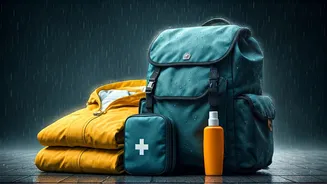
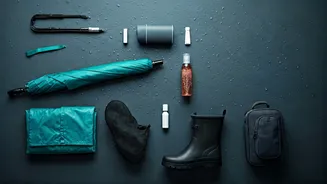
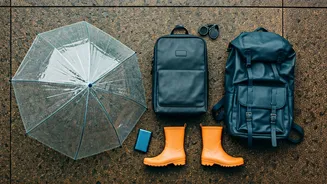
An umbrella is a given, but India's monsoons often demand more. A lightweight, truly waterproof raincoat or poncho is a non-negotiable for staying dry during sudden downpours. Look for options with sealed seams and a proper hood with a drawstring. [30]
While plastic raincoats are cheap, they often don't breathe, leaving you sweaty and uncomfortable. Investing in a jacket made from breathable, quick-dry fabric like polyester or nylon blends will serve you better for daily commutes. [20, 30] For those on two-wheelers, a full rain suit is essential for complete protection. [30]
Waterproof Your Valuables
In our digitally-driven lives, protecting electronics is paramount. A sudden shower can spell disaster for your phone, laptop, and other gadgets. A high-quality waterproof backpack or a simple rain cover for your existing bag is a smart investment. [6, 11] For extra security, use smaller waterproof pouches or even zip-lock bags for your phone, wallet, and chargers. [6, 11] When at home, moisture can be just as damaging as direct rain. Using silica gel packets in your bags and storage areas can help absorb excess humidity and prevent corrosion or short circuits. [4, 17] Surge protectors are also crucial to protect appliances from voltage spikes common during thunderstorms. [4, 21]
Choose the Right Footwear
This is the season to retire your favourite leather shoes and canvas sneakers, as they get ruined by water and take forever to dry. The best monsoon footwear offers good grip and is made from water-repellent materials. [23] Rubber sandals, floaters, and gumboots are excellent choices as they are easy to clean and dry quickly. [23] When selecting footwear, prioritise anti-skid soles to navigate slippery, wet pavements safely. [23] Keeping your feet dry is also a matter of hygiene, as damp conditions can lead to fungal infections. [7]
Build a Monsoon Health Kit
The rainy season unfortunately brings a higher risk of infections and illnesses. The humidity helps bacteria and viruses thrive, and stagnant water becomes a breeding ground for mosquitoes, increasing the risk of diseases like dengue, malaria, and chikungunya. [2, 5, 8] Your monsoon health kit should include a good mosquito repellent, which is essential for evenings or when in green spaces. [11] Also pack basic medications for common ailments like colds, flu, and stomach issues, along with an antiseptic liquid and bandages. [11, 23] Frequent handwashing is one of the best ways to prevent the spread of germs, so carrying a hand sanitiser is a good idea for when you're on the go. [10, 14]
Prepare for Power Cuts
Power outages are a common frustration during the monsoon, often caused by heavy rain and strong winds. Being prepared can make a significant difference. A fully charged power bank is no longer a luxury but a necessity to keep your phone and other essential devices running. [11, 27] For home use, investing in a rechargeable emergency LED lantern or flashlight is a bright idea. [3, 9] These are safer and more reliable than candles and can provide ample light for hours, helping you navigate your home safely during an outage.
Rethink Your Wardrobe Fabrics
During the monsoon, heavy fabrics like denim and thick cotton are your worst enemies. They absorb water, become heavy, and take a very long time to dry in the humid air. Instead, opt for lightweight and breathable fabrics that dry quickly. [23] Synthetic blends, georgette, chiffon, and light cottons are excellent choices. [31] These materials not only keep you more comfortable but also make laundry less of a chore. Having a few quick-dry clothing items, including a super-absorbent microfiber towel, can be a real game-changer for the season. [20, 23]