






From Physical to Psychological
For years, wellness travel revolved around the physical: detox juices, fitness bootcamps, and luxurious massages. The goal was to return home feeling physically refreshed. Today, the focus is shifting from the body to the mind. This new wave of travel,
often called 'transformative' or 'emotional wellness' travel, prioritises mental and emotional restoration over superficial pampering. It’s a response to a world grappling with burnout, anxiety, and a collective desire for deeper meaning. Travellers are no longer just asking where they can go to relax, but where they can go to heal, process, and find clarity. This means trips are becoming more intentional, designed to tackle specific emotional needs rather than offering a generic break.
What Emotional Journeys Look Like
So, what does this new kind of travel actually involve? The options are as varied as the emotions they aim to address. Specialised 'grief retreats' offer a supportive environment for those processing loss, combining therapy with shared rituals and time in nature. These structured trips help people navigate mourning away from the painful reminders of their daily lives. Another popular form is the silent retreat, where participants disconnect from digital devices and verbal communication to quiet the mind, reduce stress, and foster a deeper connection with themselves. These retreats provide a rare space for deep self-reflection, helping participants process difficult emotions and build inner resilience. Other examples include journeys focused on building self-confidence, overcoming personal trauma, or simply reconnecting with oneself through extended periods in nature.
The Search for Deeper Meaning
This shift isn't happening in a vacuum. The modern world is noisy and demanding, leading to what some call 'nervous system overload'. In response, travellers are seeking true sanctuary and solitude. The goal is no longer just relaxation but resilience—gaining tools to better cope with the stresses of daily life. The travel industry is responding with intention-led journeys, where the 'why' of the trip is more important than the 'where'. Experiences that create a sense of awe, such as visiting vast natural landscapes, have been shown to foster personal growth and shift perspective. This search for meaning also represents a turn away from performative wellness toward authentic restoration. It's less about the perfect Instagram photo and more about genuine inner work.
A Modern Take on Ancient Wisdom
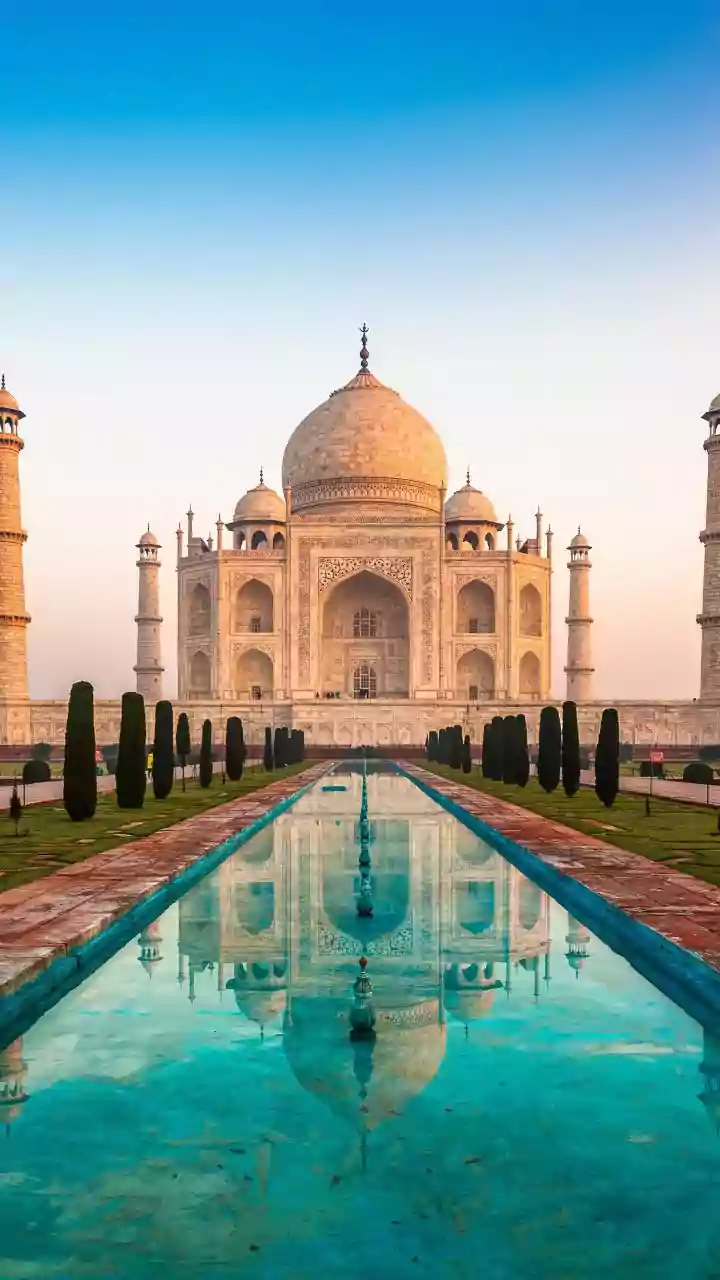
While the branding is new, the concept is deeply rooted in ancient traditions. For centuries, people have undertaken pilgrimages and spiritual journeys—or 'yatras' in the Indian context—seeking enlightenment, peace, and a connection to something larger than themselves. Stays in ashrams, focused on meditation and simple living, are a long-standing form of this introspective travel. Today's emotional wellness trend can be seen as a modern interpretation of this timeless human need. It repackages ancient wisdom for a contemporary audience, blending practices like mindfulness and yoga with modern therapeutic approaches in structured, accessible formats. Many retreats now integrate practices like sound healing, breathwork, and meditation, all of which have roots in historic spiritual traditions.