







What is the AI-Powered Plan?
The ICMR-NIN is developing AI-powered platforms to guide Indians in their food choices, a timely move given the rise in consumption of pre-packaged foods. One recent initiative is an AI bot and web platform that will provide detailed nutritional information
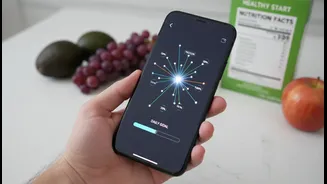
for thousands of food products on the market. This tool aims to be a single, reliable source of nutrition information, allowing users to search for a product and instantly see its nutritional profile. Another related project is an app called NutriAIDE, developed through a collaboration that includes NIN. This app uses AI-based photo recognition to assess the nutrient value of a meal from a simple picture, track macronutrients, and even calculate the carbon footprint of your food choices. These tools are designed to demystify food labels and help consumers understand what they are really eating.
The Benefits: Your Personal Digital Nutritionist
The primary benefit of these AI tools is personalisation at scale. They can provide dietary guidance tailored to an individual's lifestyle, health data, and even genetic factors, going far beyond generic advice. This is particularly crucial in a country like India with its diverse dietary habits. For public health, AI can analyze population-wide data to identify at-risk groups for malnutrition or non-communicable diseases like diabetes and hypertension, allowing for targeted interventions. For the individual user, these apps offer unparalleled accessibility. They can function like a nutritionist in your pocket, helping you track meals, understand complex ingredients hidden behind codes on packaging, and make healthier choices in the grocery aisle. This could empower millions to take control of their health in a way that was previously unaffordable or inaccessible.
The Risks: A Question of Trust and Nuance
Despite the promise, there are significant risks. A major concern is the accuracy and reliability of AI-generated advice. Studies have shown that some AI models can create meal plans that significantly underestimate calorie needs and miscalculate nutrient balances, which could be harmful, especially for vulnerable groups like teenagers. These tools might recommend overly restrictive diets that could negatively affect growth and metabolic health. There is also the issue of bias; an AI is only as good as the data it's trained on. If the data is incomplete or not representative of India's vast culinary diversity, the recommendations could be flawed. Furthermore, AI lacks the human touch. It cannot understand the emotional, social, and cultural aspects of eating, nor can it provide the empathetic support that a human dietitian can. Over-reliance on this technology could also lead to a loss of personal food knowledge and intuition.
AI vs. Human Expert: A Tool, Not a Replacement
The expert consensus is clear: AI should be seen as a complementary aid, not a replacement for professional dietary counseling. A human nutritionist can interpret nuanced health conditions, provide accountability, and build a relationship based on trust—qualities an algorithm cannot replicate. AI tools, like the ones from ICMR-NIN, are most powerful when used to support, not supplant, human expertise. They can handle the data-heavy lifting, such as tracking intake and analysing food labels, freeing up human experts to focus on coaching and personalised care. For the average person, this means an AI app can be a fantastic starting point for building awareness, but it shouldn't be the final word, especially if you have existing health concerns.
The Takeaway: How to Approach AI Nutrition
So, should you use these new AI tools? The answer is yes, but with a healthy dose of critical thinking. Use them to become more aware of what’s in your food and to track your general patterns. Think of it as a nutritional logbook with some helpful insights. However, treat its recommendations as suggestions, not prescriptions. Always be cautious and listen to your body. If a diet plan feels overly restrictive or unbalanced, it probably is. For specific medical conditions, weight management goals, or any serious health concerns, the gold standard remains consulting a qualified human doctor or dietitian. These professionals can provide guidance that is not only evidence-based but also tailored to your unique life circumstances.