







Getting Started: The First Step
Brisk walking has the lowest barrier to entry of almost any exercise. It's as simple as putting on a pair of comfortable shoes and walking out your door. There’s no special training required; you just walk at a pace that raises your heart rate enough
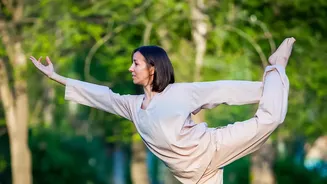
that you can still talk, but not sing. Beginners can start with just 10-minute sessions and gradually increase the duration. Yoga requires a bit more preparation. While you can start for free with online videos, a beginner class is often recommended to learn proper form and alignment. Understanding basic terms like 'asana' (pose) and 'vinyasa' (flow) can be helpful. Many find that styles like Hatha, Yin, or other beginner-focused classes are the best entry points because of their slower pace.
The Cost Factor: Your Investment
Walking is famously low-cost. Your main investment is a good pair of walking shoes, which is crucial for preventing injury and ensuring comfort. A quality pair can range from around ₹5,000 to over ₹12,000, but they should last for hundreds of miles. You might also consider a fitness tracker, but it's not essential. If weather or safety is a concern, an under-desk or walking treadmill can be an option, with prices starting around ₹10,000–₹25,000. Yoga can also be started with minimal expense by using a towel on the floor and watching free online classes. However, most people quickly find that a yoga mat is an essential purchase for grip and cushioning. A basic mat can cost as little as ₹1,500, while premium, long-lasting mats can be over ₹12,000. Other helpful (but not essential) props include blocks and straps, which can be bought in a set for around ₹1,200. Studio classes are an additional cost, varying widely by location.
Physical Benefits: Cardio vs. Flexibility
Brisk walking is primarily a cardiovascular workout. It excels at improving heart and lung health, lowering blood pressure, and managing blood sugar. It strengthens your leg muscles and, as a weight-bearing exercise, helps maintain bone density. While it improves overall fitness, walking does little for upper body strength or flexibility. Yoga's primary physical benefits are improved flexibility, balance, and full-body strength. Poses are designed to stretch and strengthen muscles throughout the body, including the core, back, and arms. This enhances joint mobility and can significantly improve posture. While some vigorous yoga styles (like Vinyasa or Power Yoga) can provide a cardio workout, gentle beginner yoga is typically considered a light-intensity activity.
Mental Well-being: Clearing Your Head vs. Calming Your Mind
Both activities are excellent for mental health. A brisk walk, especially outdoors, can boost your mood, increase energy levels, and help clear your mind. It triggers the release of positive-feeling chemicals like serotonin and dopamine. Many studies show that regular walking can improve memory, reduce stress, and even lower the risk of depression. Yoga is renowned for its deep mind-body connection. The practice combines physical postures with controlled breathing (pranayama) and meditation, which are powerful tools for calming the nervous system and reducing anxiety. Scientific evidence shows that yoga is effective for stress management, promoting mindfulness, and improving overall mood.
Risk of Injury: Playing It Safe
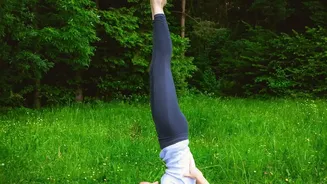
While both are low-impact, injuries can happen. In walking, most issues are overuse injuries from doing too much, too soon, or from improper footwear. Common ailments include shin splints, plantar fasciitis (heel pain), and Achilles tendonitis. Most of these can be prevented by starting slowly, wearing proper shoes, and stretching. Yoga injuries often stem from improper alignment or pushing past your body's limits. Overstretching can lead to strains, particularly in the hamstrings, lower back, shoulders, and wrists. Beginners should be especially cautious with inversions (like headstands) and deep backbends. Listening to your body and using props like blocks to support alignment are key to practicing safely.