
What Exactly Is an Olla?
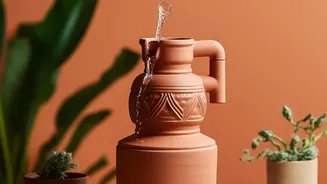
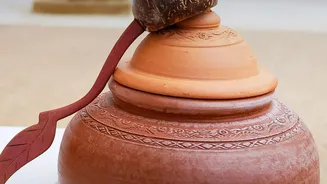
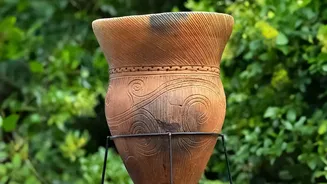
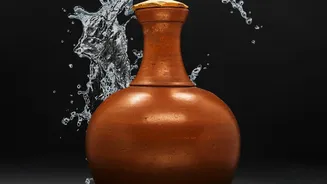
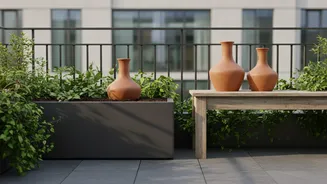
An olla (pronounced 'oh-ya') is an unglazed, porous terracotta pot that is buried in soil and filled with water to irrigate plants. This isn't a new invention; it's an ancient irrigation method used for thousands of years in arid climates across the world,
from North Africa to China. The concept is brilliantly simple: bury the vessel in a container or garden bed, leaving only its narrow neck exposed above the soil for refilling. The porous nature of the clay then does all the work, delivering water directly to where it's needed most—the plant's roots.
The Smart Science of Slow-Release Watering
The magic of the olla lies in a process called soil moisture tension. The walls of the unglazed clay are filled with microscopic pores. These pores allow water to seep out, but not in an uncontrolled rush. Instead, water is drawn out by the surrounding soil only when it becomes dry. Plant roots, seeking moisture, create a 'pull' or suction force that draws water through the olla's walls. If the soil is already damp from rain, the water stays inside the olla until it’s needed. This creates a self-regulating system that prevents both under-watering and overwatering, keeping the soil at a consistent, Goldilocks level of moisture.
Why Ollas Are Perfect for Balcony Gardens
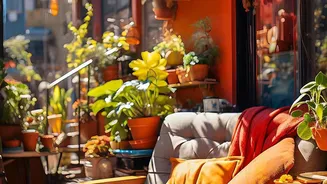
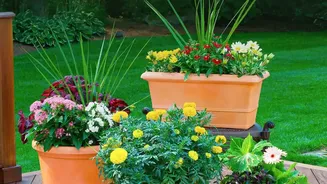
Balcony and rooftop container gardens are notoriously difficult to keep watered. They face harsh conditions like intense sun and high winds, which cause the small volume of soil in pots to dry out incredibly fast. Ollas are a game-changer here. By watering from below the surface, they dramatically reduce water loss from evaporation and runoff, which can save up to 70% of water compared to surface watering. This means you water less often—refills might be needed anywhere from twice a week to once a week, depending on conditions. This consistent, deep watering encourages healthier, stronger root growth, making for more resilient plants. It also keeps foliage dry, reducing the risk of fungal diseases.
How to Choose and Use an Olla in a Pot
Using an olla in a balcony container is straightforward. For most standard pots, one olla placed in the centre is sufficient. A key consideration is the trade-off between the olla and root space; as a rule, the olla shouldn't take up more than a quarter of the pot's volume. Bury the olla so its neck sits an inch or two above the soil line to keep dirt out. Pack the soil gently but firmly around it to ensure there are no air pockets, which would prevent water from wicking into the soil. Plant your thirstiest plants, like tomatoes or herbs, closest to the olla. Always cover the opening with its lid or a stone to prevent evaporation and keep mosquitos out.
Potential Downsides and Considerations
While highly effective, ollas do have a few considerations. They represent an initial cost, which can be higher than a simple watering can, though DIY options exist. The porous clay can eventually get clogged by minerals in hard water or soil; a simple vinegar and water solution can often clean them. Perhaps most importantly for gardeners in colder climates, ollas can crack if left full of water during a hard freeze, so they should be removed and stored over winter. Finally, they do take up physical space within the pot, so you need to plan your container size accordingly to ensure plants still have ample room for their roots to grow.