

An Evolution, Not a Rejection
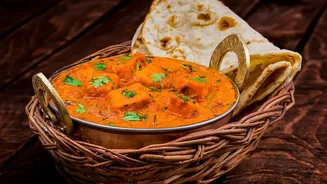
The perception of Indian food has often been one of indulgence—rich, creamy curries, ghee-laden sweets, and deep-fried snacks. While these celebratory dishes are an integral part of the culture, a significant shift is underway. This evolution isn't about
discarding tradition but refining it. It’s a movement driven by a collective desire for wellness, where home cooks and professional chefs are asking a crucial question: How can we keep the flavours we love while making our food lighter, healthier, and more suited to contemporary lifestyles? The answer lies not in substitution with foreign ingredients, but in a rediscovery of India's own diverse pantry and a mindful approach to cooking. This change is less a trend and more a permanent lifestyle adjustment toward conscious eating.
The Resurgence of Ancient Grains
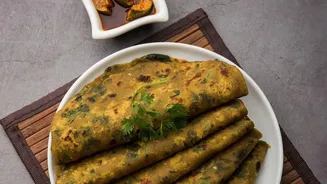
One of the most significant changes is the revival of ancient grains that were once staples across the country before being overshadowed by polished rice and refined wheat. Millets like ragi (finger millet), jowar (sorghum), and bajra (pearl millet) are making a major comeback. Long appreciated in regional kitchens for their resilience and nutritional value, these grains are now being embraced nationwide. They are naturally gluten-free, rich in fibre, and packed with minerals. This renewed interest is seeing them appear in everything from dosa batters and rotis to cookies and breakfast cereals, replacing some refined flours in the process. This isn't about chasing a new fad; it's a return to ingredients deeply rooted in India's agricultural and culinary heritage.
Rethinking Fats and Techniques
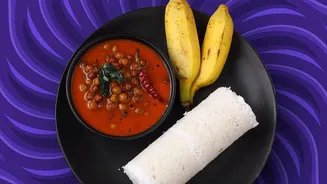
The new-age Indian kitchen is also rethinking its relationship with fats and cooking methods. While traditional fats like ghee still have a place for their flavour and health benefits when used in moderation, there's a growing awareness around excessive oil usage. Home cooks are consciously reducing the amount of oil in their daily cooking and exploring healthier techniques. Steaming, grilling, and air-frying are becoming popular alternatives to deep-frying, allowing classic snacks and dishes to be enjoyed with less guilt. Similarly, chefs are innovating by creating flavourful dishes that are ingredient-led and lighter, proving that satisfaction doesn't have to come from heaviness. This shift preserves the essence of the dish while making it more suitable for a modern, often more sedentary, lifestyle.
The Science of a Balanced Thali
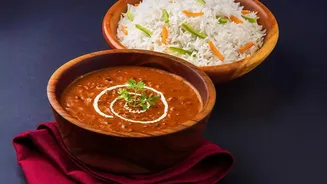
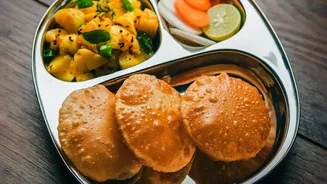
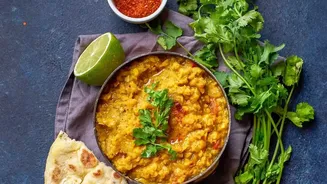
The traditional Indian thali has always been a model of balanced nutrition, even if it wasn't explicitly designed with modern dietary science in mind. A typical thali platter, with its small bowls (katoris), inherently encourages portion control and variety. It offers a complete meal with carbohydrates from rice or roti, protein from dal (lentils), fibre and vitamins from sabzis (vegetable dishes), and probiotics from dahi (yoghurt). Modern nutritionists and chefs are now re-emphasizing this inherent wisdom. They highlight how the combination of grains and lentils creates a complete protein profile, and how the array of spices used aids digestion and provides anti-inflammatory benefits. The focus is on seeing the thali not just as a meal, but as a holistic nutritional concept.
From Supermarket Shelves to Home Kitchens
This movement is visible everywhere, from supermarket aisles to social media feeds. Packaged foods are also getting a makeover, with traditional snacks like makhana (fox nuts) and namkeen being fortified with protein and marketed as healthier alternatives to fried chips. There is a rising demand for products with clean labels and traceable ingredients, pushing brands to be more transparent. Meanwhile, a new generation of health-conscious home cooks and food bloggers are sharing recipes that adapt family favourites for modern palates. They might swap sugar for jaggery, incorporate more vegetables into a dish, or find creative uses for ancient grains. This grassroots movement, powered by shared knowledge, is making healthy Indian cooking more accessible and inspiring than ever before.