





Cracking the Code: The Oman E-Visa
The biggest barrier to any international trip often starts with the visa, but Oman has simplified this hurdle significantly. Indian citizens can apply for an e-visa entirely online through the Royal Oman Police portal. The process is straightforward:
register an account, fill out the application, upload the required documents, and pay the fee. For most backpackers, the key options are the single-entry tourist visas, which offer stays of 10 or 30 days. Required documents typically include a scanned copy of your passport (valid for at least six months), a digital passport-sized photo with a white background, and sometimes proof of a return ticket and hotel booking. For Indian passport holders who also possess a valid visa from the US, UK, Canada, Australia, Japan, or a Schengen country, the process can be even more streamlined. This electronic system removes the need for embassy visits, making the first step of your Omani adventure a simple online task.
What 'Affordable' Means in Oman
Let's be clear: Oman is not a shoestring destination like parts of Southeast Asia. However, 'affordable' in the context of the Arabian Gulf is where Oman shines. While the region is known for opulence, budget travel in Oman is entirely possible with smart planning. Daily expenses for a backpacker can range from 25 to 40 OMR (Omani Rial) if you are careful. Accommodation is the biggest variable. While luxury resorts exist, cities like Muscat, Nizwa, and Salalah now have a growing number of budget-friendly guesthouses and a few hostels. For the truly adventurous, wild camping is legal and widely practiced in many of Oman's scenic spots, from beaches to mountains, which can reduce costs to zero on some nights. Food is another area to save. Skip the expensive hotel restaurants and dive into local coffee shops for shawarma, biryani, and fresh juice, where a hearty meal can cost just a few rials.
Your Backpacking Itinerary: Wadis, Deserts, and Souqs
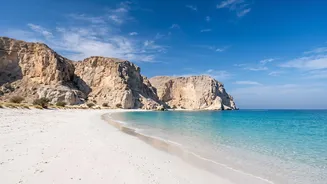
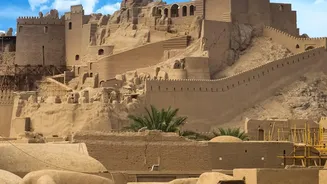
With logistics sorted, the adventure awaits. A typical backpacking route starts in the capital, Muscat. Explore the historic Mutrah Souq, wander along the Corniche, and be awed by the magnificent Sultan Qaboos Grand Mosque. From Muscat, the country is best explored by road. While public transport is limited, renting a small car is surprisingly economical, especially with Oman's low fuel prices. A classic backpacker loop could take you south along the coast to the Bimmah Sinkhole, a stunning limestone crater filled with turquoise water, and then to Wadi Shab, a must-do hike through a canyon to a series of crystal-clear pools and a hidden waterfall. Further on, you can visit the turtle nesting grounds at Ras al Jinz before heading inland. No trip is complete without experiencing the desert. The Sharqiya Sands (formerly Wahiba Sands) offers the chance to stay in a desert camp under a blanket of stars. From there, head into the Hajar Mountains to explore Nizwa, with its formidable fort and bustling Friday market, and the dramatic landscapes of Jebel Shams, Oman's 'Grand Canyon'.
Essential Tips for the Smart Backpacker
To make your trip smooth and respectful, keep a few things in mind. The best time to visit is between October and April, when temperatures are pleasant. The summer months can be intensely hot. Oman is a conservative country, and dressing modestly is a sign of respect, especially when visiting mosques and local villages. Lightweight long trousers and shirts with sleeves are advisable for both men and women. The Omani people are known for their incredible hospitality, so don't be surprised if you are invited for coffee and dates. Embrace these opportunities for genuine cultural exchange. Finally, while a 4x4 is great for serious off-roading, many of the main sights are accessible with a standard sedan, which will save you a significant amount on rental costs.