





A Delayed and Damp Arrival
After a sweltering and prolonged summer, the Southwest Monsoon finally made its official landing in Mumbai on June 9th. While this was a few days ahead of some revised predictions, it was significantly behind its typical schedule. The normal onset date
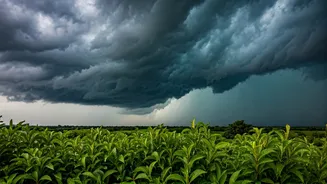
for the monsoon in the city is around June 11, but the build-up and initial showers usually begin much earlier. This year, however, the pre-monsoon activity was unusually subdued. The delayed arrival meant Mumbaikars endured an extended period of oppressive heat and humidity, making the sight of grey clouds and the sound of thunder a welcome, if tardy, relief. The initial downpour brought immediate respite, with social media flooded with pictures and videos celebrating the end of the dry spell. But this celebration is tinged with a deeper concern that experts have been flagging for weeks.
Decoding the Deficit
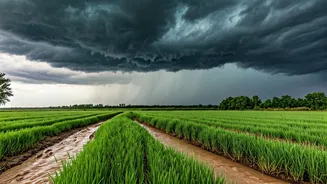
The headline figure of a 46% deficit requires some context. This statistic, reported by the India Meteorological Department (IMD) in the first week of June, referred to the country-wide rainfall average. The monsoon's progress had stalled after its arrival in Kerala, with its Arabian Sea branch being particularly weak and sluggish. This led to a significant shortfall in rain across large parts of the country, including Maharashtra, during the crucial initial phase of the season. While the arrival in Mumbai is a positive step, it doesn’t erase this initial deficit. The city and its surrounding catchment areas need sustained, heavy rainfall over several weeks to make up for the lost time and water. A few days of intense showers, while disruptive to city life, are not enough to solve the underlying problem of a rain-starved start to the season.
The Water Level Crisis
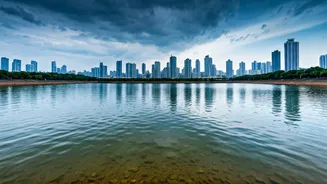
This is where the rainfall deficit moves from a weather report statistic to a pressing civic issue for every Mumbaikar. The city gets its drinking water from seven lakes: Upper Vaitarna, Lower Vaitarna, Modak Sagar, Tansa, Middle Vaitarna, Bhatsa, and Vihar. The water levels in these lakes are almost entirely dependent on monsoon rains in their catchment areas. Due to the weak pre-monsoon showers and the delayed onset, the collective water stock in these lakes had plummeted to critically low levels, hovering at just over 10% of their total capacity in early June. The Brihanmumbai Municipal Corporation (BMC) has already implemented a 5-10% water cut across the city to manage the dwindling supply. If the monsoon does not deliver substantial and widespread rain in the lake catchment areas soon, the BMC may be forced to impose more severe water cuts, impacting millions of residents and businesses.
What Caused the Holdup?
Meteorologists point to a combination of factors for the monsoon's sluggish start. One significant reason was the after-effect of Cyclone Remal, which formed in the Bay of Bengal in late May. While it didn't directly hit the western coast, the cyclone drew a massive amount of moisture and energy from the monsoon system, temporarily weakening the winds that push the rains northward along the Arabian Sea. This disruption caused the monsoon to 'stall' for over a week after its initial onset over Kerala. Furthermore, the conditions in the Arabian Sea were not as favourable as they needed to be for a strong and timely advance. This meteorological hiccup is a stark reminder of how interconnected and fragile our weather systems are, where an event in the Bay of Bengal can directly impact the water supply in Mumbai.
What Can We Expect Now?
The IMD remains cautiously optimistic, forecasting a revival of monsoon activity. The hope is that the system will now gain momentum and deliver the much-needed heavy spells throughout July and August, which are the most critical months for filling up the lakes. For Mumbaikars, this means a shift in challenges. The focus will move from praying for rain to navigating the consequences of it: waterlogging, traffic snarls, and the strain on civic infrastructure. The BMC and other agencies are on high alert to manage flooding and other monsoon-related issues. The key variable remains whether the rainfall will be concentrated over the lake catchment areas. The city can receive a deluge, but if the lakes that supply it remain dry, the water crisis will persist. The next four to six weeks are absolutely crucial in determining whether Mumbai can bridge this rainfall deficit and secure its water supply for the coming year.