







The Science of the 'Second Summer'
October heat is a well-known phenomenon in Mumbai, often called the 'second summer'. After the southwest monsoon withdraws, the skies clear up, leading to more direct and intense solar radiation hitting the ground. Unlike the dry heat of May, this period
is marked by oppressively high humidity. The preceding monsoon leaves a great deal of moisture in the air and ground. As temperatures rise, this moisture evaporates, saturating the air. This combination is crucial because high humidity prevents sweat from evaporating effectively, which is the body's primary way of cooling down. You sweat, but you don't cool off, leading to that sticky, draining feeling of exhaustion.
Mumbai as a Concrete Heat Trap
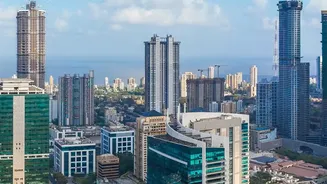
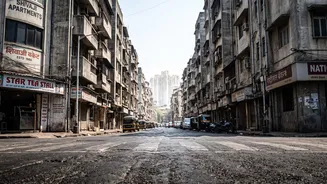
The city's own structure intensifies the problem. Mumbai is a classic example of an 'Urban Heat Island' (UHI). Vast expanses of concrete, asphalt roads, and glass-faced buildings absorb and retain far more heat than natural landscapes like forests and water bodies. This stored heat is then slowly released back into the environment, especially after sunset, leading to higher nighttime temperatures. Studies have shown that densely built-up areas in Mumbai can be several degrees warmer than greener, less dense parts of the city or its outskirts. For a professional working in a business district like Bandra-Kurla Complex, surrounded by concrete and traffic, the environment itself is a significant source of heat stress.
The Agony of the Daily Commute
For millions of working professionals, the daily commute is where the October heat becomes truly punishing. A journey in an overcrowded local train, where compartments designed for 1,200 people often carry over 4,500, turns into a suffocating ordeal. The lack of ventilation combined with intense body heat and humidity creates an environment ripe for dehydration and fainting spells. Those who travel by road face hours stuck in traffic, where the heat radiating from asphalt and idling engines adds to the misery. By the time a professional reaches their office, they are often already physically and mentally drained, having battled extreme conditions just to get to work.
Productivity and Health Take a Hit
Even a climate-controlled office may not offer complete refuge. The constant transition from extreme outdoor heat to indoor air conditioning can be jarring for the body. Furthermore, the exhaustion from the commute and general thermal discomfort impacts cognitive function and productivity. Studies show that worker productivity begins to drop significantly as temperatures rise. At temperatures of 33-34°C, a worker's capacity can be reduced by as much as 50%. Employees are more likely to suffer from lethargy, lack of focus, and dehydration. Health risks are also a major concern, ranging from heat exhaustion and muscle cramps to more severe conditions like heatstroke, especially for those whose work involves being outdoors for any part of the day.
A Worsening Trend
This isn't just a seasonal annoyance; scientific data suggests the situation is getting worse. Research indicates a significant increase in humid-heat stress along India's west coast during the post-monsoon months. One study found that the number of extreme humid-heat days in this season increased by five days per decade. Factors like global warming are the primary drivers, amplified in certain years by phenomena like El Niño, which can lead to a weaker monsoon and more intense heat signals. As the city continues to urbanise and green spaces shrink, its capacity to trap heat only grows, making October an increasingly challenging month for its nine-to-five workforce.