
The Two Types of Iron
Iron is a crucial mineral responsible for transporting oxygen in your blood and supporting energy levels. But not all dietary iron is created equal. There are two main forms: heme and non-heme. Heme iron, found in animal products like meat, poultry, and fish,
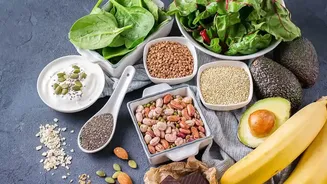
is easily absorbed by the body. Non-heme iron, which comes from plant sources like leafy greens, beans, lentils, and fortified grains, is much more common in the diet but is harder for our bodies to absorb. This is the central challenge for vegetarians and vegans: ensuring that the iron they consume is actually being put to good use.
Vitamin C to the Rescue
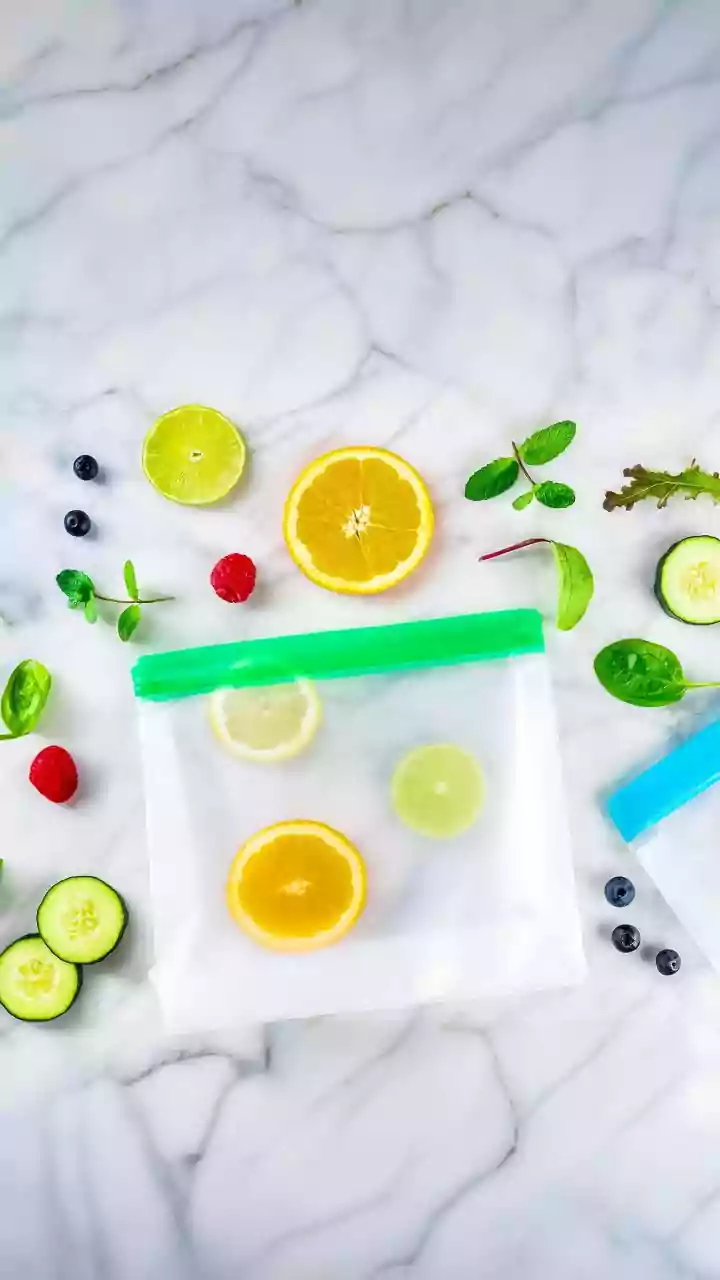
This is where vitamin C, also known as ascorbic acid, plays a starring role. Research has consistently shown that vitamin C is a powerful enhancer of non-heme iron absorption. When you eat iron-rich plants alongside a food high in vitamin C, the vitamin works to convert the iron into a form that your body can absorb much more easily. Studies have shown that even small amounts of vitamin C can significantly increase iron absorption, with some research indicating it can increase it by several times. For example, adding just 25-50 mg of vitamin C—the amount in half a tomato or a few slices of bell pepper—to a meal can make a noticeable difference. The headline's claim of 'doubling' intake is not an exaggeration; in some cases, the boost can be even greater, depending on the meal's composition.
Powerful Pairings for Your Plate
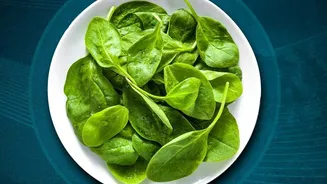
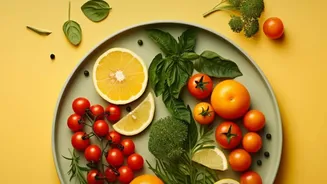
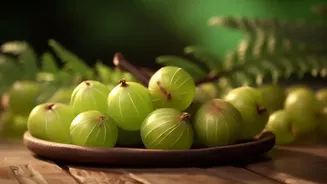
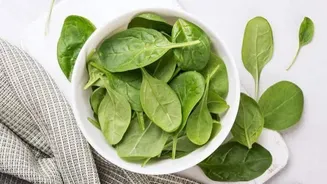
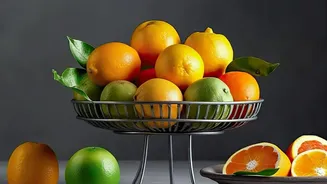
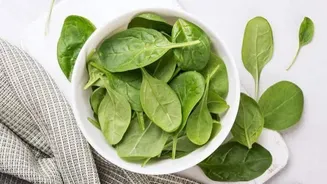
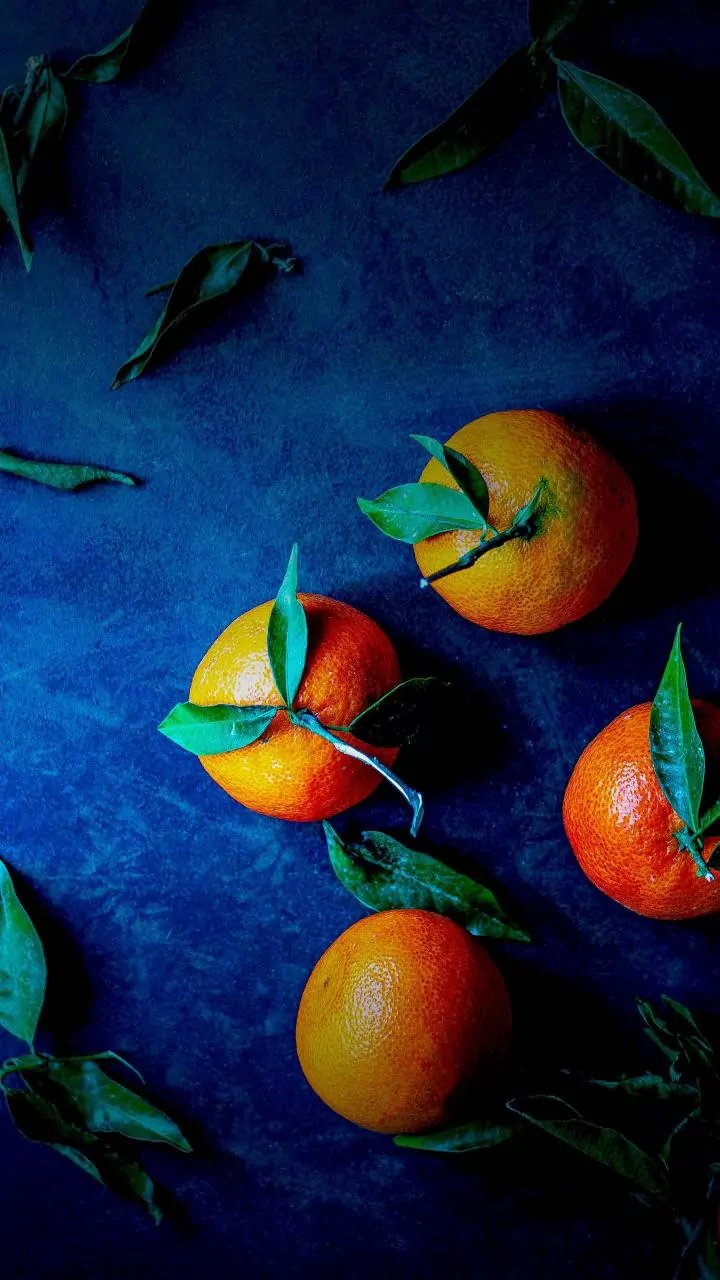
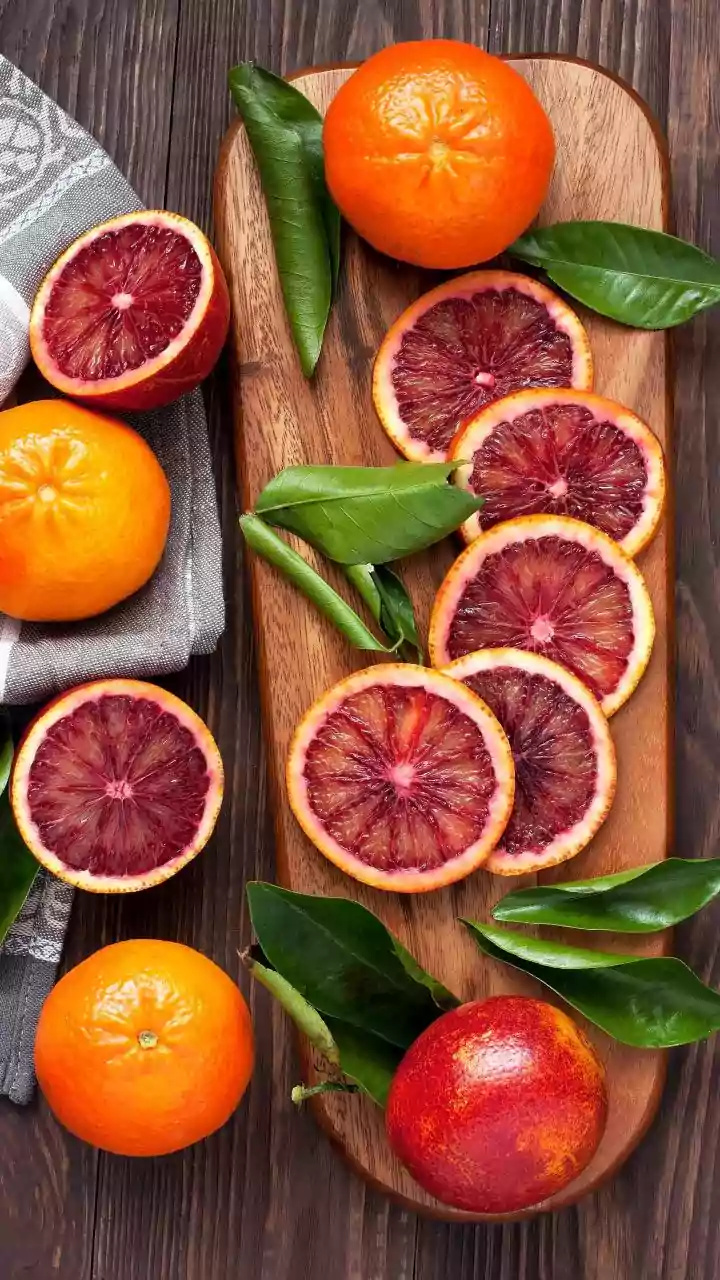
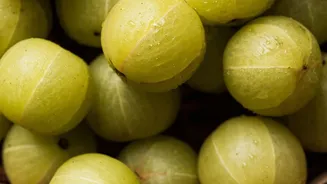
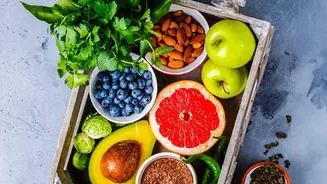
Putting this science into practice is both simple and delicious. The key is to think in terms of 'food synergy'—making sure your iron-rich meal component has a vitamin C-rich partner. While the classic pairing is leafy greens and citrus, the possibilities are endless. Here are some effective combinations to try: Spinach Salad with Lemon Dressing: Spinach is packed with iron, and a zesty lemon vinaigrette provides the vitamin C needed to unlock it. Lentil Soup with Tomatoes: Lentils are an iron powerhouse. Cooking them in a tomato-based broth ensures you get the vitamin C boost in the same bite. Dal with a Side of Amla or Guava: A staple in many Indian households, dal made from lentils or chickpeas can be paired with a side of amla (Indian gooseberry) or guava, both of which are exceptionally high in vitamin C. Fortified Cereal with Strawberries: Many breakfast cereals are fortified with iron. Topping your bowl with fresh strawberries or a glass of orange juice can greatly improve absorption. * Bean Burrito with Bell Peppers and Salsa: Beans are a great source of iron, and adding colourful bell peppers and tomato-based salsa infuses the meal with vitamin C.
What to Avoid During Iron-Rich Meals
Just as some foods enhance iron absorption, others can inhibit it. Compounds like tannins, found in tea and coffee, and phytates, present in whole grains and legumes, can block non-heme iron uptake. Calcium is another known inhibitor. This doesn't mean you have to give up your favourite chai or coffee, but it's wise to consume them separately from your main iron-rich meals. For instance, try waiting at least an hour after eating before having a cup of tea or coffee. By being mindful of when you consume these items, you can avoid undoing the benefits of your carefully planned food pairings.