

The First Step in a 508-Kilometre Journey
The focus of the 2027 launch is the priority section in Gujarat, a stretch running between Surat and Vapi. While trial runs are slated to begin on a 50-kilometre section between Surat and Bilimora in mid-2027, the first commercial operations will cover
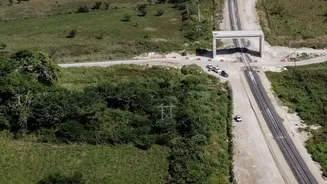
this larger part of the route. This phased approach is strategic, allowing the National High Speed Rail Corporation Limited (NHSRCL), the agency implementing the project, to demonstrate progress and begin services on the section where construction has advanced most rapidly. Work in Gujarat, including land acquisition and the construction of elevated viaducts, has moved at a faster pace compared to the more complex, urban sections in Maharashtra.
A Glimpse into the Future of Travel
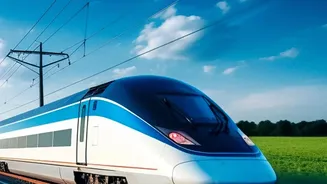
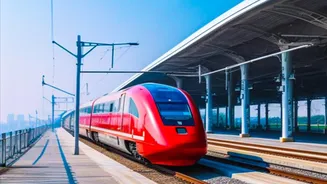
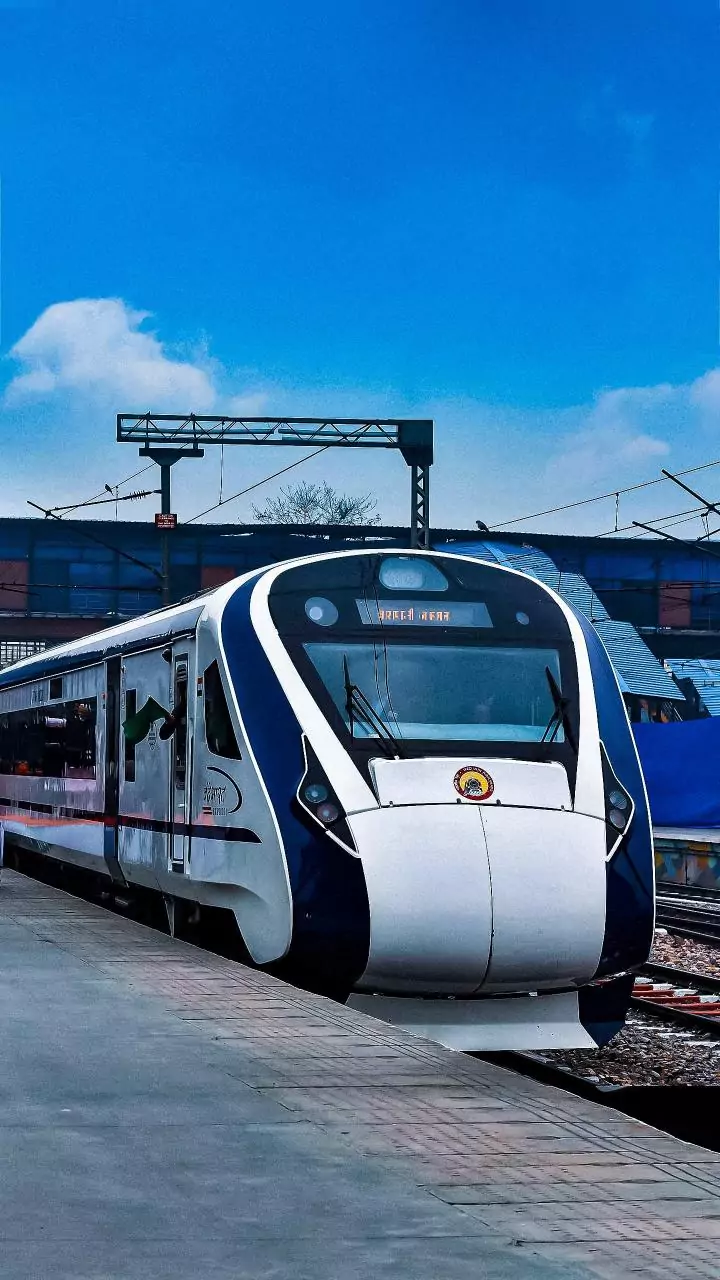
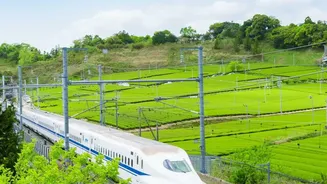
The project is being developed with technological assistance from Japan's renowned Shinkansen system, famous for its safety and punctuality. The full 508-km corridor is designed for an operating speed of 320 km/h, which will slash the travel time between Mumbai and Ahmedabad from over seven hours by conventional rail to just under two hours for the fastest service. For the initial Surat-Bilimora trial section, a journey that currently takes up to 90 minutes will be completed in approximately six minutes. Beyond speed, passengers can expect modern amenities, including Wi-Fi-based infotainment, ergonomic seating, and accessibility features. Significantly, an indigenous bullet train, the B28, is also being manufactured in India by BEML, with track trials expected by mid-2027.
Engineering Marvels and Monumental Scale
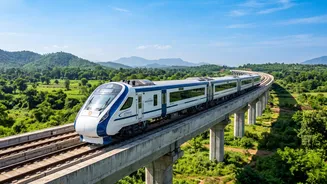
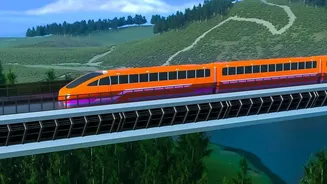
Bringing India's first high-speed rail to life is a colossal engineering task. Over 90% of the corridor is elevated on viaducts to avoid road traffic and ensure high speeds. The project involves the construction of 12 stations, 25 river bridges, and several mountain tunnels. A standout feature is the 21-km tunnel in Maharashtra, which includes a 7-km undersea portion beneath Thane Creek—a first for the country. To expedite construction, advanced techniques like the Full Span Launching Method are being used for the first time in India's railway history. Furthermore, crucial electrical components, such as transformers and overhead wires for the 2x25 kV traction system, are being manufactured domestically, boosting the 'Make in India' initiative.
Overcoming Delays and Looking Ahead
The project has faced significant hurdles since its inauguration in 2017, pushing the timeline back from its original 2022 target. Railway Minister Ashwini Vaishnaw noted that delays in land acquisition and securing permissions in Maharashtra, compounded by the COVID-19 pandemic, meant that full-scale construction only began in earnest in 2021. While the Gujarat portion has progressed smoothly, work in Maharashtra, particularly the complex tunnelling work, remains critical for the completion of the entire corridor. The project's cost has also seen a substantial increase from initial estimates. Despite these challenges, recent milestones like the energisation of the overhead power lines on the Surat-Bilimora section signal that the project is moving steadily towards its 2027 goal for the first phase.