



From Code to Kadhai: A New Kitchen Helper
For many, AI brings to mind complex algorithms and tech boardrooms, not the daily question of 'what to cook for dinner?'. But that's changing fast. Urban Indian households, increasingly pressed for time, are discovering that generative AI platforms can
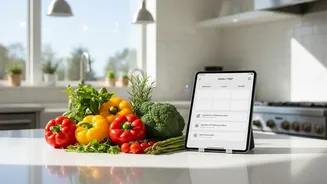
act as surprisingly capable kitchen assistants. This isn't about robots taking over the cooking process, but about smart tools that simplify the mental load of meal preparation. Apps and AI models are being used to create weekly meal plans, suggest recipes based on what's in the fridge, and even help working parents manage the dietary needs of a picky child and a health-conscious partner.
The Digital Sous Chef Arrives
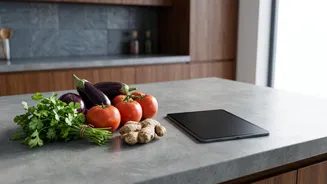
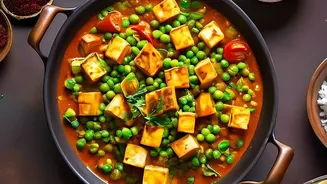
The most practical use of AI in the Indian kitchen is its ability to generate ideas and reduce waste. Specialised apps and even general tools like ChatGPT can be prompted with a list of available ingredients—say, half a cabbage, some paneer, and a handful of tomatoes—and produce a coherent recipe in seconds. This solves the common dilemma of using up vegetables before they spoil. Beyond simple ingredient matching, these tools can create detailed weekly meal plans that cater to diverse dietary rules, such as vegetarian, Jain, or gluten-free, and can even plan a week's menu that balances nutrition and variety, a task that once required significant time and effort.
The Challenge of Authenticity and 'Andaaz'
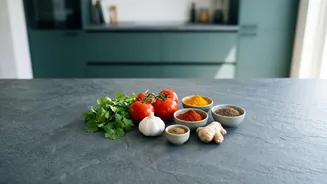
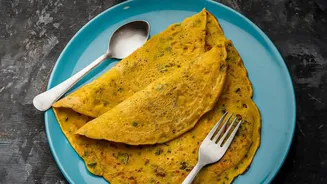
However, the rise of AI cooking assistants raises questions about authenticity. Indian cooking is famously reliant on 'andaaz'—an intuitive estimation of spices and ingredients that is passed down through generations. Can an algorithm truly replicate a grandmother's secret masala blend or the precise moment when the oil separates from the curry base? Researchers note that AI struggles with the complexity and variability of Indian meals, where one dish can look different every time it's cooked. There's a risk that over-reliance on standardised AI recipes could lead to a homogenization of taste, losing the subtle, regional variations that make the cuisine so rich.
An Unlikely Tool for Preserving Tradition
Conversely, some users are finding that AI can be a powerful tool for preservation. Many family recipes are passed down orally, with vague instructions like 'cook until it looks right'. AI can help translate this folklore into a structured format. By describing the process to a language model, families can create a written, shareable version of a beloved dish, complete with ingredient lists and step-by-step instructions. In this way, AI isn't replacing tradition but helping to document it for future generations. Some advanced systems even allow users to upload family recipes for precise replication, preserving the essence of a home-cooked meal.
The Future of the Indian Kitchen
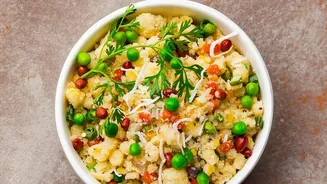
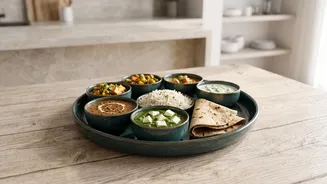
The integration of AI into Indian cooking is still in its early stages. While some tools are fine-tuned specifically for Indian cuisine, many generic AIs still struggle with the nuances. Researchers are working to build better systems that can visually identify the complex components of a thali or map the subtle differences in regional cooking styles. The long-term vision is an AI assistant that can 'watch' you cook and offer real-time guidance, acting as a patient teacher. For now, though, these tools are proving to be valuable companions, bridging the gap between our rich culinary heritage and the demands of modern life.